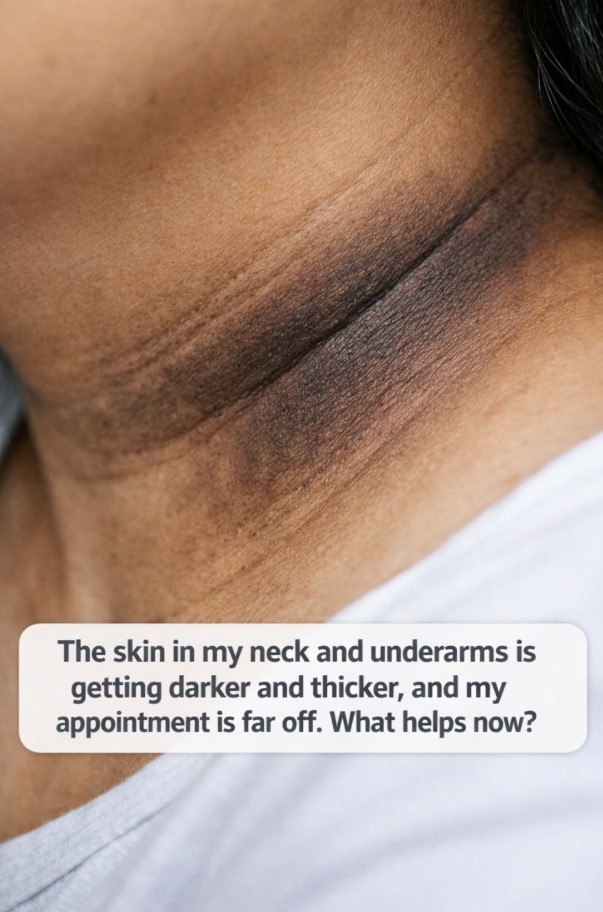
Noticing changes in your skin — especially in sensitive areas like your neck and underarms — can feel worrying, especially when you have to wait weeks for a doctor’s appointment. Darker, thicker skin in those areas is something many people experience, and it often results from a mix of everyday factors rather than something dangerous.
In this article, we’ll explore why skin in these areas may change, what common causes are, and helpful, gentle habits you can adopt now while you wait for your appointment. The goal is to empower you with understanding and simple self‑care ideas, not medical treatment instructions.
Why does the skin in certain areas sometimes darken or thicken?
Skin can change color and texture for a variety of reasons. The neck and underarms are areas that:
- Are often exposed to friction (from clothing or movement)
- Stay warm and slightly moist
- Get less airflow compared to other parts of the body
These conditions can make the skin more likely to develop texture changes or deepened pigmentation over time.
Here are some of the most common reasons people notice these changes:
1. Friction and rub — everyday wear and tear
When skin rubs against skin or fabric repeatedly, the body responds by producing more pigment in that area. This is a natural protective response. Think of it as your skin trying to “toughen up” to handle repeated contact.
In places like:
- the back of the neck (especially if hair rests there)
- under the arms (from movement and clothing)
- areas where sweat gathers
…skin can become slightly thicker and darker over time.
This change is often smooth or velvety in texture and may be more noticeable in certain lighting.
2. Sweat and moisture buildup
When skin stays warm and slightly damp (from sweat), it can encourage slight irritation and texture changes. This is especially true if:
- clothing traps moisture
- sweat lingers without drying
- tight shirts or high collars cause more heat and friction
Moisture doesn’t necessarily cause serious issues, but it does play a role in how the skin looks and feels.
3. Hormonal influences
Hormones affect skin in many ways. During periods of growth, stress, or natural hormonal shifts, pigment‑producing cells in the skin can become more active, leading to darker patches. These changes are not rare, and many people experience them at different ages.
No matter the cause, it can be frustrating when the changes are visible and you’re left waiting for professional input. But understanding what’s typical can help ease concern.
4. Simple inflammation or irritation
Any slight rubbing, shaving, deodorant buildup, or friction can cause mild inflammation. Over time, repeated irritation may make skin look thicker or darker.
This is not the same as an infection or harmful condition — it’s more like the skin adapting to ongoing stimulation.
What does “thicker” skin really feel like?
When people describe thicker skin, they often mean:
- The area feels a bit firmer or slightly raised
- There’s a velvety or rough texture
- The skin looks visibly darker than surrounding skin
These changes are usually gradual, not sudden, and are most noticeable when you see them repeatedly over weeks or months.
Simple steps to support your skin while you wait
While none of these tips are medical treatments, they can help your skin feel more comfortable and stay healthy as you wait for your appointment:
1. Wear breathable, soft fabrics
Natural fibers like cotton allow air to circulate and reduce friction. Avoid very tight collars and sleeves that press continuously against the skin.
2. Keep the area gently clean and dry
After showering or sweating, rinse and gently pat dry. Avoid vigorous scrubbing, which can increase irritation.
3. Choose gentle products
Skip harsh soaps or heavy deodorants for now. Products with strong perfumes or chemicals can sometimes make sensitive areas feel more irritated.
Opt for mild, fragrance‑free options if possible.
4. Maintain overall hydration
Well‑hydrated skin tends to look healthier. Drinking water and using a gentle moisturizer can help maintain skin balance.
You don’t need heavy creams — a light, non‑irritating moisturizer applied once or twice a day can make daily wear more comfortable.
When should you be more attentive to changes?
Not all skin changes are harmless, and some situations should prompt closer attention. You should see a medical professional promptly if:
- The patches appear suddenly and spread quickly
- The areas become painful, warm, or swollen
- There is a rash or small bumps that don’t go away
- You notice bleeding, oozing, or signs of infection
These signs may point to a different condition that deserves earlier attention.
A reassuring perspective
Waiting for a doctor’s appointment can feel tough, especially when the changes feel visible and persistent. But in many cases, darker and thicker skin in areas like the neck and underarms is associated with common skin responses to friction, moisture, and mild irritation.
The best thing you can do right now is:
- Stay informed
- Practice gentle self‑care
- Observe how the skin behaves
- Save notes or photos to show your doctor later
This gives you a good foundation of understanding and helps you communicate clearly when your appointment arrives.
Conclusion :
Changes in the way your skin looks or feels can be unsettling, but they are also very common. The skin on the neck and underarms reacts to pressure, moisture, and friction in ways that can make it appear darker or slightly thicker over time. These responses are usually the body’s way of adapting, not a signal of something dangerous.
While you wait for your appointment, adopting simple habits like wearing breathable fabrics, choosing gentle products, and maintaining skin comfort can make a noticeable difference in how your skin feels day to day. Paying attention to how the skin changes — without worrying unnecessarily — is a healthy mindset while you wait for professional guidance.
Most importantly, your experience is valid. You deserve answers, and you’re taking the right steps by staying informed and preparing for your appointment. When the time comes, your doctor will be better able to support you if you can describe what you’ve noticed, how long it’s been happening, and any patterns you’ve observed.