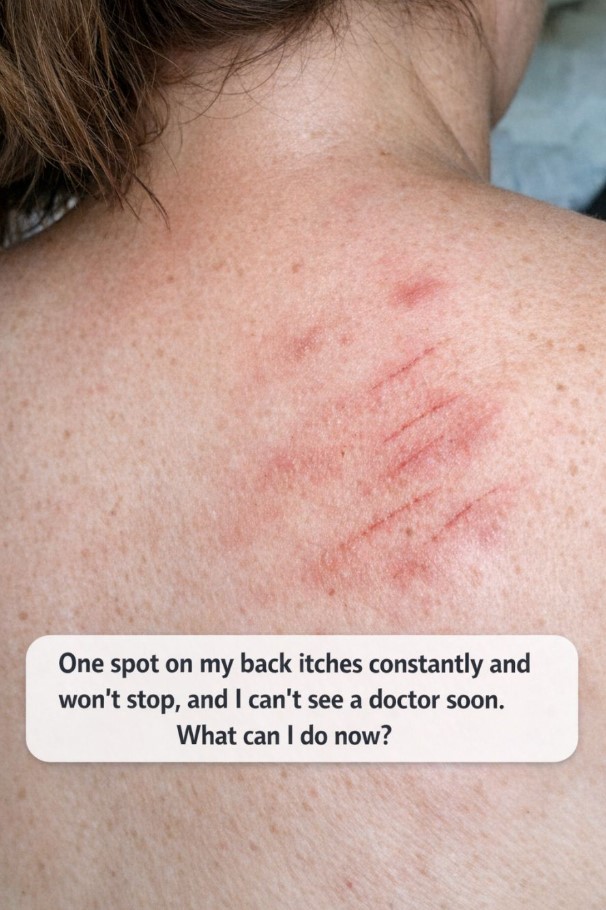
Noticing one spot on your back that itches all the time can feel really uncomfortable — especially when you can’t reach it easily and your doctor appointment is still far away. It’s completely valid to want relief and to wonder what might be going on.
Before we dive in, it’s important to remember: I’m not providing medical advice, and if the itch gets worse, spreads, or is accompanied by other symptoms, a healthcare professional should evaluate it when you can see one. That said, there are safe, general explanations for persistent itching and supportive steps you can take at home to care for your skin while you wait.
Let’s walk through what might be causing that itchy spot, how skin behaves, and what you can do right now to feel more comfortable.
Why one spot can itch without an obvious cause
When a single spot on the skin itches, there are a few common things that could explain it — many of which are harmless and don’t signal anything serious. Some possibilities include:
1. Dry or irritated skin
The skin on your back can dry out easily, especially in cold weather, after showering with very hot water, or if you’ve been sweating a lot. Dry skin can feel itchy even without any rash or visible change.
2. Minor friction irritation
Clothing seams, backpack straps, or rough fabric can rub one spot repeatedly. Even if you don’t notice it during the day, repeated friction can irritate a small area and cause itching.
3. Tiny insect bite or sting
A single itchy spot can be the result of a mosquito bite, spider bite, or other small bug bite. These often itch in a localized area and can persist for a while as they heal.
4. Contact with an irritant
Sometimes a small patch of skin reacts to something it touched — like laundry detergent, sunscreen, or a plant. Even if you don’t see a rash, your skin can feel itchy in that one spot.
5. Healing skin patch
Sometimes after an old rash, scratch, or pressure point, the skin continues to feel sensitive or itchy even after it looks healed.
When a single itchy spot is less likely to be serious
Most of the time, a persistent itch in one spot is not something dangerous, especially if:
- The area looks normal or mildly red
- There’s no spreading rash
- There’s no bleeding, oozing, or warmth
- You don’t feel pain or fever
In these cases, it’s often about skin sensitivity or minor irritation rather than infection or something that needs urgent medical care.
What you can do now for relief (safe, general care)
Here are some supportive steps you can take to help calm the itch and support your skin’s comfort.
1. Keep the area clean and dry
Gently wash the spot with mild soap and lukewarm water. Avoid scrubbing hard. Pat the area dry — don’t rub with a towel, which can irritate.
2. Apply a gentle, fragrance‑free moisturizer
Moisturizing helps reduce dryness, which can lessen itchiness. Look for products labeled for sensitive skin or fragrance‑free.
3. Dress in breathable clothing
Loose, soft fabrics like cotton reduce friction and help prevent further irritation. Avoid tight straps or rough seams pressing on that spot.
4. Avoid hot showers
Hot water can dry the skin and make itching worse. Stick to lukewarm showers and keep them brief.
5. Don’t scratch if you can help it
Scratching may feel good in the moment, but it can actually make the itch more intense and may irritate the skin further. If the itch is strong, gently press or pat the area instead.
6. Consider a cool compress
A clean, cool, damp cloth gently held on the itchy area for a few minutes can soothe irritation.
These steps are general self‑care habits that many people find helpful for dry, irritated, or mildly itchy skin patches.
When to be more alert and bring it up to a doctor
Itching that won’t stop is uncomfortable, but there are a few signs that do call for medical attention once you can see a professional:
- The spot becomes red, warm, swollen, or painful
- You notice other symptoms like fever, fatigue, or spreading rash
- The itch starts spreading to other areas
- There is bleeding, oozing, or crusting
- The itch is interfering with sleep or everyday activity
If you notice any of these, it’s a good idea to mention them clearly to your clinician when you have your appointment.
Why skin can feel itchy even if it looks normal
The nerves in your skin are constantly sending signals to your brain. Sometimes dryness, pressure, subtle irritation, or even clothing friction can trigger those nerves without leaving a visible mark. That’s why you can feel an intense itch where the skin looks otherwise normal.
This kind of itch is often temporary and linked to how the skin and nerves respond to the environment — not an infection.
When stress or attention makes an itch feel worse
It may sound surprising, but focusing on an itch can make it feel stronger. When you notice something uncomfortable, your attention narrows down to that sensation, making it seem worse — even if the physical cause isn’t serious. Practicing distraction or relaxation (like deep breathing, listening to music, or doing an engaging activity) can sometimes reduce how intensely you feel the itch.
This doesn’t mean the itch is “all in your head” — your skin really does signal discomfort — but your nervous system and attention can amplify how you perceive it.
A reassuring perspective while you wait for your appointment
Not being able to see a doctor soon can feel frustrating when something is bothering you physically. It’s completely understandable to want relief and clarity. In many cases, a single itchy spot is linked to minor skin irritation, dryness, or friction, not a serious health issue.
By taking gentle self‑care steps — like moisturizing, avoiding friction, and keeping the area clean — you can usually help your skin feel more comfortable while you wait.
It’s always okay to trust your instincts, and if you ever feel concerned or the situation changes, make a note of what you observe so you can tell your healthcare provider clearly when you see them.
Conclusion :
A single spot on your back that itches constantly can be irritating and distracting, especially when you can’t reach it easily and your doctor visit is far off. However, in many cases, this type of itch comes from everyday skin concerns like dryness, minor irritation, friction from clothing, or a small bug bite — all things that are common and not necessarily serious.
While you wait for your appointment, focusing on gentle skin care can help. Mild cleansing, regular moisturizing, breathable clothing, and avoiding excessive heat or scratching can ease discomfort and support your skin’s natural balance. Paying attention to changes — whether the itch spreads, becomes painful, or is joined by other symptoms — will help you describe your concerns clearly when you talk to a professional.
It’s okay to be uncomfortable and still feel uncertain. Your feelings are valid, and taking steps to care for your skin shows that you’re doing the best you can right now. With patience and gentle habits, many mild itch sensations decrease over time.