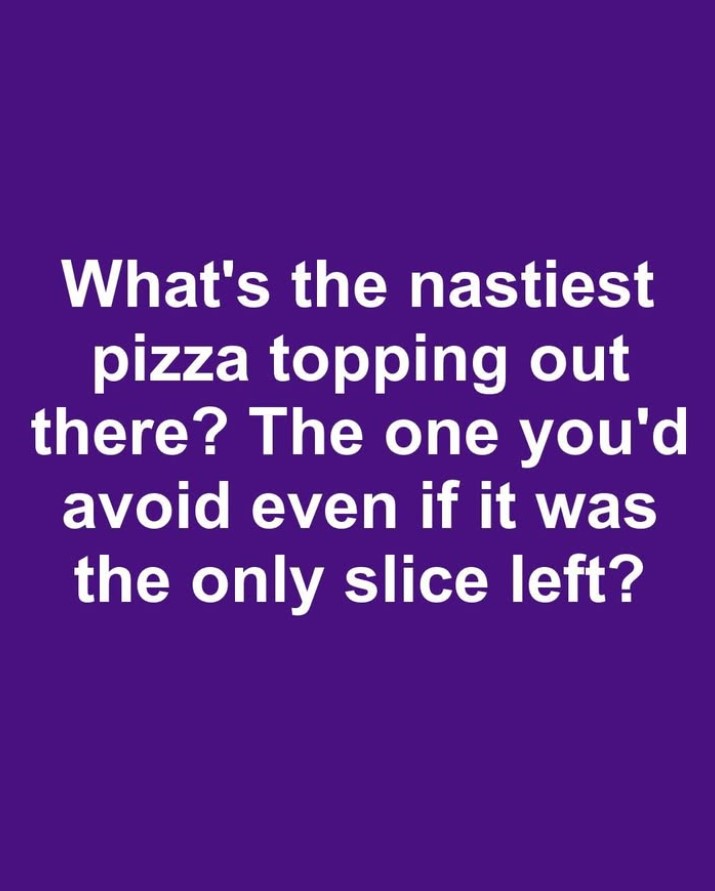
Pizza is one of the most beloved comfort foods in the world. Its versatility — from classic Margherita to loaded meat lovers — is part of its universal appeal. But with creativity comes controversy. For every topping that someone adores, someone else can’t stand it. Some pizza toppings are so divisive that they inspire heated debates among friends and families.
But what if you had to choose just one pizza topping you absolutely hate — the one you would avoid even if it was the only slice left? That’s exactly the kind of question that sparks fun (and intense) food conversations.
In this article, we’ll explore a variety of unusual and controversial pizza toppings, why they might turn some people off, and how personal taste plays a role in what we find delicious or downright unappealing. If you’ve ever wondered how people could put certain toppings on a pizza, or which ones top the list of least favorites, you’ll find plenty of food for thought here.
Why Pizza Toppings Can Be So Personal
Taste is incredibly subjective and shaped by many factors, including culture, upbringing, texture preferences, and even memories. What one person finds mouthwateringly good could be unthinkable to someone else.
Here’s why some toppings divide opinion so sharply:
1. Cultural Background
Some toppings that are normal in one culture might be unusual in another. Ingredients that are common in Asian or Scandinavian cuisines might feel foreign or odd on pizza to those who didn’t grow up with them.
2. Texture Sensitivity
Some people love chewy, slimy, crunchy, or gelatinous textures, while others find those same sensations off-putting. When a topping introduces an unexpected texture, it can make or break the experience.
3. Flavor Intensity
Strong flavors — like fish, pungent cheeses, or fermented foods — can delight some palates but overwhelm others. Pizza typically has rich flavors already, and adding something intense can push it over the edge for some eaters.
Unusual and Controversial Pizza Toppings
Let’s explore some toppings that frequently show up on “love it or hate it” lists.
1. Anchovies
Often cited as one of the most divisive toppings, anchovies are small, salty fish that pack a powerful punch.
Why some people dislike them:
- Extremely salty taste
- Fishy flavor that can dominate the pizza
- Strong, lingering aroma
Anchovies are beloved by some pizza purists for the umami they add, but to others they can make a pizza feel more like a fish dish than comfort food.
2. Pineapple
Pineapple on pizza is perhaps the most debated topping of all time. Some people adore the sweet and savory contrast, while others think fruit has no place on a pizza.
Why it’s controversial:
- Sweetness clashes with savory tomato and cheese for some
- Fruit texture on a traditionally savory dish
- Strong opinions on both sides
Whether you love it or loathe it, pineapple sparks passionate discussion at every dinner table.
3. Pickles
Pickles add a tangy crunch, but many find the flavor profile strange on pizza.
What turns people off:
- Sharp vinegar taste
- Unexpected texture contrast
- Flavors that don’t blend with tomato and cheese
Pickles might be great on a sandwich, but on a pizza — especially without careful balancing — they can feel out of place.
4. Seafood Beyond Anchovies
Some seafood toppings, like shrimp, squid, or mussels, have appeared on gourmet or regional pizzas.
Why it doesn’t work for some:
- Strong ocean aroma
- Chewy or slippery textures
- Flavor clashes with traditional pizza bases
Seafood lovers might enjoy these toppings, but many people prefer to keep their pizza land-based.
5. Egg
Yes, egg on pizza is a real option in many parts of the world, especially on breakfast pizzas or specialty pies.
Controversial aspects:
- Runny yolk texture
- Eggy aroma that not everyone likes
- Contrasts with melted cheese texture
Some love the richness it brings, while others find it mismatched with the rest of the pizza.
6. Sauerkraut
Fermented foods are trendy in some circles, but sauerkraut on pizza can feel jarring to many.
Why it might be disliked:
- Tangy, fermented flavor
- Strong aroma
- Contrasts with sweet or savory bases
While sauerkraut works on sandwiches and in German cuisine, it’s not everyone’s idea of a pizza topper.
7. Sweet Sauces
Some creative pizzas use sauces like barbecue, honey mustard, or even raspberry jam as a base instead of tomato.
Why some people resist:
- Too sweet for a dinner dish
- Clashing flavors with cheese and meat
- Can feel more like dessert than pizza
Sweet sauces can be fun experimentally, but they definitely aren’t everyone’s favorite.
8. Raw Garlic or Raw Onions
While cooked garlic and onions are common, some people prefer raw versions or heavy amounts.
Why it’s divisive:
- Sharp, intense bite
- Strong lingering smell
- Can overpower other toppings
Enjoyed in moderation by some, raw aromatics can be overwhelming for others.
9. Exotic Meats
Beyond pepperoni and sausage, toppings like alligator, kangaroo, or ostrich have appeared in novelty pizzas.
Why they might be off-putting:
- Unusual flavor profiles
- Chewier or denser textures
- Less familiar taste
While exciting for adventurous eaters, most people prefer traditional meats.
10. Dessert Pizzas
Pizzas with sweet toppings like chocolate, marshmallows, fruit, or candy blur the line between dinner and dessert.
Why these can be controversial:
- Sweetness competes with classic pizza flavors
- Texture contrasts can be confusing
- Some feel pizza should stay savory
Dessert pizzas can be fun, but they’re definitely not for everyone.
What Makes a Topping “Unwanted”?
It’s one thing to dislike a topping because it’s unfamiliar — it’s another to actively avoid it. Here are some common reasons a topping might land on the “nasty” list for many people:
- Strong, lingering smell (like fish or fermented foods)
- Clashing flavors that don’t mesh with cheese, tomato, or dough
- Unusual textures that feel out of place on pizza
- Personal memories or past experiences that impact taste perception
A topping doesn’t have to be objectively bad — it just has to feel wrong for someone’s expectations of what pizza should taste like.
Is There Really a “Worst” Topping?
Not exactly. Taste is subjective. Some people might dislike pineapple on pizza, while others make it part of their weekly dinner routine. Cultural differences also play a role — what’s considered strange in one part of the world might be a beloved specialty elsewhere.
The concept of a “nasty” topping often says more about individual taste than about the topping itself. What one person avoids, another might order enthusiastically.
How to Build a Pizza You’ll Love (Even if You Hate Certain Toppings)
If you’re trying to avoid toppings you find unappealing but still want a delicious pizza experience, here are some strategies:
Choose a Strong Base
- Start with rich tomato sauce or olive oil and garlic
- Add herbs like oregano or basil to balance flavors
Pair Mild with Bold
- Mild cheeses like mozzarella or provolone go well with most toppings
- Add a bold but balanced topping (like roasted red peppers) to avoid flavors that clash
Add Fresh Finishes
- A sprinkle of fresh herbs, lemon zest, or balsamic drizzle can elevate flavors
- Avoid heavy or overly sweet sauces if you prefer savory profiles
Experiment Slowly
If you’re curious about a new topping, try it in small amounts before committing to a whole pizza.
Conclusion :
The idea of a “nasty” pizza topping is subjective — what tastes unpleasant to one person can be another’s favorite. Some toppings like anchovies, pineapple, raw garlic, or dessert-style sauces stand out as especially controversial because they introduce strong flavors or textures that don’t always align with traditional pizza expectations. But whether you love them or avoid them at all costs, the variety of pizza toppings is part of what makes pizza such a beloved and endlessly creative food.
Ultimately, what matters most is your enjoyment. If a certain topping makes you cringe, there’s no reason to include it on your plate — even if everyone else loves it. But on the flip side, one person’s “nastiest” can be another’s favorite, which just goes to show how wonderfully unique our taste preferences can be.
Pizza is more than dough, sauce, and cheese — it’s a canvas for personal expression. So go ahead, load your pie with the toppings that make you happy, and skip the ones that don’t. After all, the best slice is the one that satisfies your own taste buds.