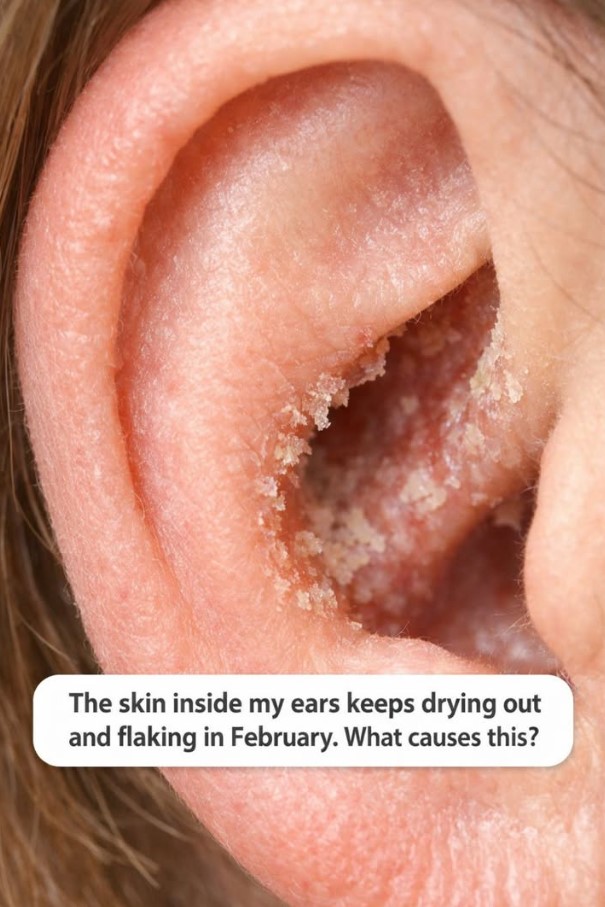
Many people experience dry, flaky skin inside their ears, especially during the winter months like February. Although it can be annoying or uncomfortable, it’s a common issue that often has understandable causes. Changes in weather, cold air, indoor heating, and simple skin sensitivity can all affect the delicate skin inside and around the ears.
The skin inside the ears is thinner and more sensitive than on other parts of the body, so it can react more quickly to environmental changes. When moisture levels drop or irritation increases, the skin can become dry, itchy, and even flaky. While this isn’t usually a serious health concern, understanding what triggers it can help you manage it and prevent it from getting worse.
In the following sections, we’ll explore why this happens, the common triggers in colder months, and practical ways to soothe and protect your ears so you stay comfortable throughout the season.
Why Ear Skin Dries and Flakes in Colder Months
1. Dry Air and Indoor Heating
During winter, the air outside becomes much drier. Cold air holds less moisture, and when you go indoors, heaters further strip moisture from the air. This lack of humidity can dry out skin all over the body — including the thin skin inside the ears.
As the skin loses moisture, it can become tight, itchy, and flaky. This is especially true in February, when winter is still in full force and indoor heating runs for many hours each day.
2. Disruption of the Skin’s Natural Oil Layer
The outer layer of your skin produces natural oils that help keep moisture locked in. In colder weather, your skin might produce less oil, which means the protective layer weakens. Without enough oil, the skin can dry out more easily and begin to flake.
This process can be worse if you use harsh soaps, shampoos, or ear products that strip the skin of its natural oils.
3. Temperature Fluctuations
Going from cold outdoor air to dry, heated indoor air repeatedly can stress the skin. These rapid changes in temperature and humidity make it harder for your skin to maintain a stable moisture balance.
Because the skin inside the ears is exposed — even slightly — this repeated stress can lead to dryness and flaking more noticeably than on other parts of the body.
Other Common Contributing Factors
4. Seborrheic Dermatitis
This is a common skin condition that causes red, flaky patches, and it often affects areas with more oil glands — including around the ears and inside the ear canal. In winter, seborrheic dermatitis can become more noticeable because dryness makes the skin break down and flake more.
People with this condition may notice symptoms year‑round, but it often gets worse when the environment is dry or cold.
5. Eczema (Atopic Dermatitis)
Eczema is a skin condition that makes the skin dry, itchy, and irritated. It’s more likely to flare up in winter because dry air can trigger flare‑ups. If you already have sensitive skin or a history of eczema, you might notice dry, flaky skin inside your ears during cold months.
6. Allergic Reactions or Irritation
Sometimes products like hair gel, shampoo, conditioner, or even earrings can irritate the skin inside the ears. If something you use contains fragrances, alcohol, or harsh chemicals, it can strip oils from the skin and trigger dryness or flaking.
7. Gentle Earwax Removal or Cleaning Habits
People sometimes try to clean out earwax with cotton swabs or ear picks. If done too aggressively, this can damage the delicate skin inside the ear canal. Even gentle brushing with a swab can remove protective oils, causing dryness.
Signs and Symptoms to Notice
You might be experiencing dry, flaky skin inside your ears if you notice:
- Itchy or uncomfortable sensations inside or around the ears
- Visible flakes of skin on the outer edge or inside the ear canal
- Tight or irritated feeling when touching or cleaning the ear
- Mild redness or scaling on the skin surface
These symptoms are usually mild and don’t come with pain, fever, or swelling — signs that might indicate infection. If any severe symptoms occur, it’s best to check with a healthcare provider.
What You Can Do to Help and Prevent It
1. Keep Your Skin Moisturized
Use a gentle, fragrance‑free moisturizer on the skin around the ears and the outer parts of the ear canal (but never deep inside the ear canal). Ointments like petroleum jelly or emollient creams can help seal in moisture.
2. Avoid Harsh Products
Choose mild, sensitive‑skin shampoo and body wash. Avoid products with strong fragrances, alcohol, or sulfates, which can strip natural oils from the skin.
3. Adjust Home Humidity
Using a humidifier in your bedroom or living areas during winter adds moisture back into the air, helping your skin stay hydrated.
4. Be Careful with Ear Cleaning
Try to avoid sticking cotton swabs or objects deep into the ears. Instead, let natural earwax come out on its own, or gently clean the outer ear with a washcloth.
5. Apply Warm, Not Hot, Water for Cleaning
When washing around the ears, use warm water instead of hot water. Hot water can dry out the skin further.
6. Use Protective Oils (Optional)
Certain gentle oils like jojoba or mineral oil can help soothe very dry skin. Apply sparingly to the outer ear with a cotton pad — but avoid putting oil deep into the ear canal.
When to Seek Medical Advice
Dry, flaky skin inside the ears is usually harmless and manageable at home. However, see a healthcare provider if you notice:
- Pain or swelling
- Persistent discharge or bleeding
- Hearing changes
- Signs of infection
- Severe irritation that doesn’t improve with home care
These could be signs of an infection or another condition that needs professional treatment.
Conclusion :
Dry, flaky skin inside your ears during February and other cold months is a common experience. It most often happens because of dry air, indoor heating, and changes in your skin’s natural moisture and oil balance. Sensitive skin, eczema, seborrheic dermatitis, and irritants from personal care products can make it more noticeable.
Fortunately, with simple care — like moisturizing the outer ear, using gentle products, adjusting humidity at home, and avoiding harsh cleaning practices — you can usually soothe and prevent the dryness effectively.
Understanding what triggers this issue empowers you to take steps that protect your skin through seasonal changes, keeping your ears comfortable and healthy even in the driest weather.