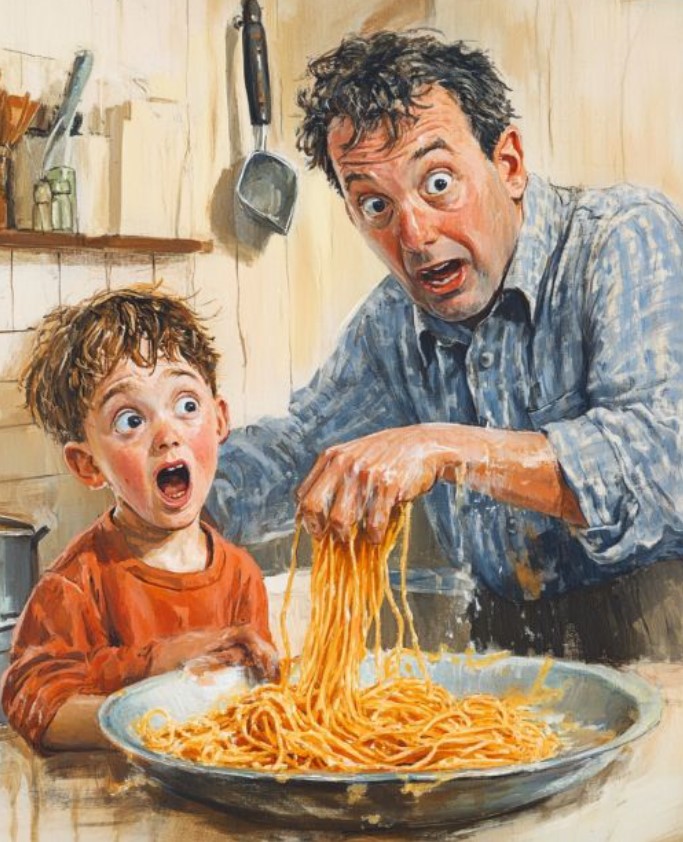
When preparing pasta, most people follow a familiar rhythm: boil water, cook the pasta until al dente, drain it, and serve it with sauce. But sometimes you might see someone rinse the cooked pasta under cold water after draining it — and wonder why. The idea of cooling pasta with cold water can feel counterintuitive because most recipes suggest serving pasta hot and coated with sauce.
Despite how unusual it may seem, rinsing pasta after boiling isn’t entirely without purpose. Different cooking traditions and recipes call for specific techniques based on desired texture, temperature, or how the pasta will be served. Whether you saw this practice while making spaghetti with your uncle or noticed it in other kitchens, it helps to understand the reasoning behind it.
In this article, we’ll explore why some cooks rinse pasta with cold water, when it’s helpful, when it’s best to avoid, and what alternatives exist. With that understanding, you’ll be able to apply the right approach depending on the dish you’re preparing.
Why Some People Rinse Pasta After Cooking
Rinsing cooked pasta with cold water does one primary thing: it stops the cooking process. When you drain pasta immediately after boiling, it may continue to cook from the residual heat trapped in the noodles. Running cold water over the pasta quickly lowers its temperature and stops that carryover cooking. This technique can be useful in certain situations.
Stopping Carryover Cooking
Pasta continues to soften after you remove it from boiling water. If you’re preparing a dish that requires precise texture — especially if you want noodles that are firm and not overly soft — rinsing with cold water can help lock in the desired level of doneness.
Cooling for Cold Pasta Dishes
When making salads or cold pasta dishes, rinsing is standard practice. Cold water cools the noodles quickly and ensures they don’t steam themselves warm in a bowl or colander. Without rinsing, the heat trapped in the noodles can wilt other ingredients such as greens or vegetables.
Refresh and Separate the Noodles
Starchy surface residue on freshly boiled pasta can cause noodles to clump together. Rinsing removes surface starch and helps individual strands or shapes stay separate. This can be especially helpful with short pastas like macaroni or fusilli when you want a loose texture.
When Rinsing Is Helpful
Here are some common scenarios where rinsing pasta after boiling makes sense:
1. Cold Pasta Salads
If you’re making a pasta salad with vegetables, dressing, cheese, or herbs, cold water ensures the noodles cool quickly and stay firm. The chilled pasta doesn’t cook further and helps maintain the crispness of other ingredients.
2. Preventing Stickiness Before Saucing
For certain dishes — especially those where the pasta is mixed with cold dressings — rinsing removes extra starch and helps prevent clumping. It’s less about washing the pasta and more about texture control.
3. Preparing for Stir-Ins or Chilled Toppings
Some recipes call for pasta to be tossed with ingredients like chilled seafood, vegetables, or creamy dressings. Rinsing makes sure the pasta doesn’t melt or wilt cold components by staying warm.
When Rinsing Is Not Recommended
While rinsing can be useful in specific cases, it’s not always a good idea:
1. Hot Pasta with Sauce
When serving piping-hot pasta with a warm sauce (like marinara, Alfredo, or Bolognese), you don’t want to rinse the noodles. Leaving starch on the surface helps the sauce cling, giving you a more cohesive dish with flavor in every bite.
2. Pasta Served Right Away
If the noodles are going straight into a hot sauce or oven bake, rinsing cools them down unnecessarily and can reduce the quality of the final dish.
Techniques That Improve Pasta Texture Without Rinsing
You can manage sticky or clumped noodles without cold water by using these simple techniques:
Reserve Some Pasta Water
Before draining, save a cup of the cooking water. The starchy water helps loosen sauces and bind them to noodles when added later.
Toss With Oil (When Appropriate)
For cold dishes or when storing cooked pasta, a small drizzle of olive oil can reduce sticking without washing away surface starch entirely.
Shake and Separate After Draining
Gently shake the colander or lift sections of pasta with tongs to help separate strands before saucing.
Conclusion :
Rinsing pasta with cold water after boiling is a technique that serves specific purposes. It stops the cooking process, cools noodles quickly for cold dishes, and helps remove surface starch to keep noodles separate. That’s why you might see cooks use it when preparing cold pasta salads or chilled preparations.
However, for hot pasta dishes served with rich sauces, rinsing is usually not recommended because it washes away the starchy coating that helps sauce adhere. Instead, reserving some pasta water or using gentle tossing techniques can help manage texture and sauce distribution.
Understanding when and why to rinse pasta gives you more flexibility in the kitchen and helps you achieve better results across a range of recipes. Whether you’re serving a warm dinner or a chilled pasta salad, choosing the right approach makes all the difference in texture and flavor.