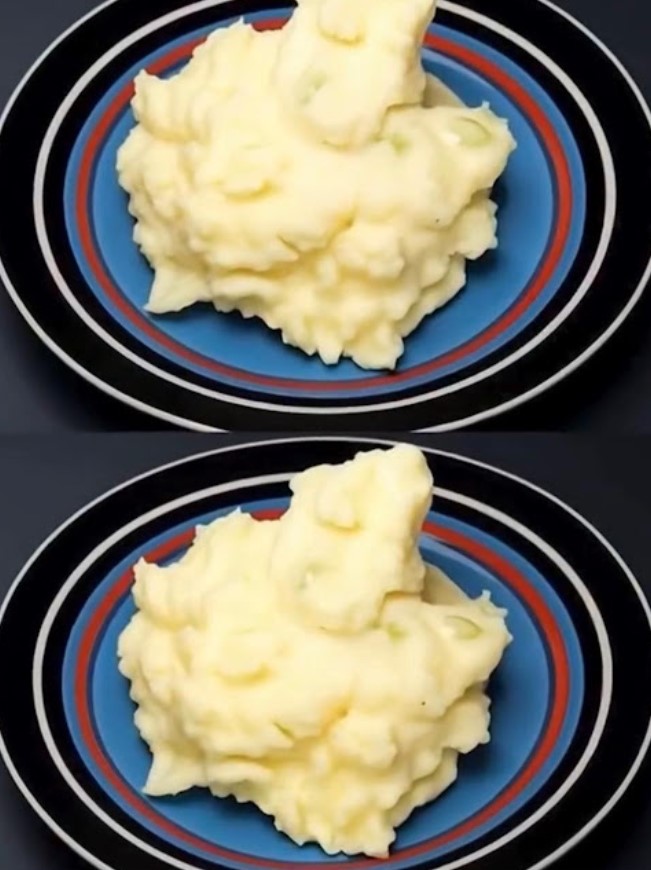
Mashed potatoes are a classic comfort food — creamy, fluffy, and perfect alongside everything from roasted chicken to grilled steak. For decades, many home cooks have added milk to mashed potatoes to make them smooth and rich. But some well-known chefs challenge this idea, suggesting that milk doesn’t always deliver the best texture or flavor when used alone.
So why do they make this recommendation? And if not milk, what should you add to make mashed potatoes truly spectacular? In this article, we’ll explore the reasoning behind this culinary tip, explain the science of mashed potatoes, and offer practical alternatives that help you achieve the best results every time.
Why Adding Just Milk Isn’t Always Ideal
1. Milk Can Make Potatoes Gluey
Milk adds liquid, but it also contains proteins and sugars that can affect texture. When potatoes are overworked or mixed with too much milk, the starches can release and form a gluey or pasty texture instead of airy, light fluffiness.
This is especially true if:
- You’re using starchy potatoes like russets
- The milk is added too early or too cold
- The potatoes are over-mashed with a blender instead of gently mashed
Many chefs prefer to let the potatoes stay on the dryer, fluffier side so the dish feels light, not heavy or gummy.
2. Milk Doesn’t Add Enough Richness On Its Own
Milk can thin out mashed potatoes without delivering the full, luxurious mouthfeel that cream or butter does. Chefs often want mashed potatoes to have:
- A silky texture
- A rich mouthfeel
- A flavor that enhances the dish without watering it down
For many pro cooks, milk by itself doesn’t provide that level of richness.
3. Dairy Temperature Matters
Cold milk straight from the fridge can shock hot potatoes, making it difficult to fold evenly and encouraging over-mixing. Warm dairy integrates more smoothly and reduces the need to mash excessively — which, in turn, helps keep texture light.
What Chefs Use Instead
1. Warm Heavy Cream
Heavy cream has a higher fat content than milk, which helps coat potato starches and create a luxurious, velvety texture:
- Adds richness
- Helps create a smoother, silkier mouthfeel
- Reduces the amount of mixing needed to achieve creaminess
To use:
- Warm heavy cream on the stove or in a microwave before adding it to the potatoes
- Add slowly while gently folding to maintain light texture
2. Melted Butter
Butter contributes fat and flavor without adding excess liquid:
- Enhances savory taste
- Helps break down starches gently
- Adds smoothness
Many chefs melt butter and incorporate most of it first, then add a smaller amount of cream or stock to reach the right softness.
3. Warm Broth or Stock
For a lighter version without as much dairy, warm broth (chicken or vegetable) can be used:
- Adds flavor without overwhelming richness
- Keeps texture fluffy
- Works well for those who prefer a less heavy mash
Using warm broth also allows the potato flavor to shine without dilution.
4. Cream Cheese, Sour Cream, or Greek Yogurt (Moderation)
For tangy richness and a bit of texture contrast, some cooks add a small amount of:
- Cream cheese
- Sour cream
- Thick Greek yogurt
These should be used sparingly, as they can change the flavor profile noticeably and may make the potatoes denser if added in large amounts.
How to Make Perfect Mashed Potatoes (Step by Step) :
To get the best texture and flavor, chefs recommend the following workflow:
1. Choose the Right Potato
For silky, classic mashed potatoes:
- Yukon golds — naturally creamy and buttery
- Russets — lighter and fluffier (best with gentle handling)
2. Cut Even Pieces
Cut potatoes into uniform chunks so they cook evenly.
3. Salt the Cooking Water
This seasons the potatoes from the inside out.
4. Drain Well and Warm the Potatoes
After boiling until tender, drain the potatoes thoroughly and return them to the hot pot off the stove. Let residual heat evaporate excess moisture.
5. Use Gentle Tools
Avoid high-speed mixers. Use:
- A potato masher
- A ricer or food mill
These tools help keep texture airy and prevent over-working.
6. Heat Your Add-Ins First
Warm the fat and liquids (butter, cream, broth) before adding. Cold liquids can cause over-mixing and gluey texture.
7. Fold, Don’t Whip
Add warm fat and liquid gradually, folding gently until you reach the desired consistency.
Tips for Even Better Flavor
- Add roasted garlic for a natural, mellow sweetness.
- Stir in fresh herbs (chives, parsley) for color and brightness.
- Finish with a bit of olive oil or browned butter for extra richness.
Conclusion :
While milk has long been a go-to ingredient in homemade mashed potatoes, many experienced cooks skip it in favor of richer, warmer liquids and fats that enhance both flavor and texture. Milk can water down the potatoes or make them gluey if used incorrectly.
By choosing warm cream, broth, melted butter, and gentle tools for mashing, you can create mashed potatoes that are light, creamy, and full of flavor — perfect for summer dinners, holiday feasts, or weeknight meals. Warming your add-ins, seasoning from the start, and handling the potatoes with care helps ensure the best possible result.
This simple shift in technique boosts both texture and taste, turning a familiar favorite into an even more satisfying dish.