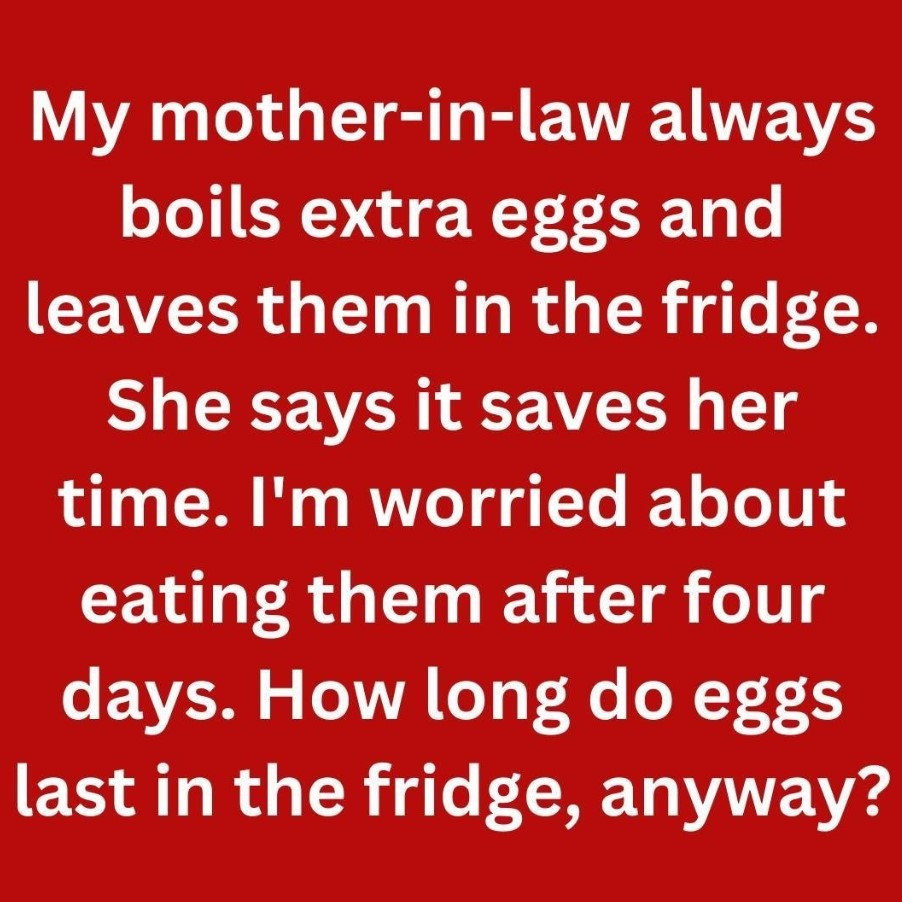
Hard‑boiled eggs are a quick, protein‑packed snack that many people love to enjoy at breakfast, in salads, or as meal prep. But once they’re cooked, how long can you safely keep them before they go bad? The answer isn’t as long as you might think — and proper storage makes all the difference.
🍳 What Happens When You Boil an Egg
When you boil an egg, you remove its natural protective coating. That original shell barrier helps fresh egg last longer, but once the egg is cooked, microorganisms can more easily enter through tiny pores. That’s why hard‑boiled eggs don’t last as long as raw eggs in the fridge — and why storing them safely is essential.
🧊 Refrigeration: Your Best Friend
🥚 Refrigerated Hard‑Boiled Eggs (Unpeeled or Peeled)
If you want to keep hard‑boiled eggs safely:
- In the fridge (below 40°F / ~4°C):
Hard‑boiled eggs — whether their shells are still on or removed — should be kept in the refrigerator within two hours of cooking. - How long they last:
Stored properly in the fridge, hard‑boiled eggs are safe to eat for up to 7 days.
This applies whether they’re still in their shells or peeled — as long as you keep them cold and don’t let them sit at room temperature too long.
❗ Tips:
- Store eggs in a covered container or sealed bag so they don’t absorb odors from other foods.
- Keeping them on a middle shelf helps maintain steady cold temperatures.
🚫 Room Temperature Risks
🚨 Do not leave cooked eggs out for more than 2 hours — even if they look fine. At room temperatures above 40 °F (4 °C), bacteria can grow quickly and make the eggs unsafe to eat. If the temperature is above 90 °F (32 °C), that safe window drops to 1 hour.
So whether you’re serving eggs at a picnic or just forgot them on the counter, don’t keep them out too long — it’s a food‑safety rule, not a suggestion.
🐣 Peeled vs. Unpeeled Eggs
Many people wonder if peeled eggs last as long as those still in their shells. Here’s what experts say:
- Unpeeled eggs: Often maintain quality a little longer and are easier to keep from drying out.
- Peeled eggs: Still safe in the fridge up to about 7 days — but they should be stored in an airtight container to keep them moist and protected.
Some recommendations suggest storing peeled eggs submerged in clean cold water (changed daily) to help them stay fresh — but this isn’t required if you eat them within a few days.
🕒 Freezing: Not Recommended
Although freezing works for many foods, it’s not a good idea for whole hard‑boiled eggs. The egg whites become tough, rubbery, or watery after thawing, which changes texture and taste. You can freeze yolks on their own for recipes later on, but whole boiled eggs simply don’t freeze well.
🧠 Signs Your Boiled Eggs Have Spoiled
Just because they’ve been in the fridge for a certain number of days doesn’t mean all eggs are still fine — always check before eating. Throw eggs out if you notice any of the following:
- 🦨 Strong, unpleasant smell (especially sulfur or rotten odors)
- 🧽 Slimy or chalky shell texture
- 🟢 Discoloration (green, black, or other abnormal colors inside)
- Mold or other unusual appearance on the shell or interior
If any of these show up, don’t taste them — discard them
Quick Summary
| Condition | Safe Time to Eat |
|---|---|
| Hard‑boiled eggs in fridge (shell on) | Up to 7 days |
| Hard‑boiled eggs in fridge (peeled) | Up to 7 days |
| Room temperature | No more than 2 hours |
| Room temp above 90°F (32 °C) | 1 hour |
| Freeze whole eggs | Not recommended |
🍳 Storage Tips to Maximize Freshness
✔️ Put eggs in a clean, airtight container or sealed bag.
✔️ Place them on a middle fridge shelf, not the door.
✔️ Label with the date they were cooked so you know exactly how old they are.
✔️ Peel just before eating to keep them fresh longer.
🧠 Final Takeaway
Hard‑boiled eggs are nutritious and convenient, but they have a limited shelf life once cooked. With proper refrigeration and safe handling, they’re best eaten within about 7 days. Leaving them out too long at room temperature can let bacteria grow, so always refrigerate quickly and check for freshness before eating.