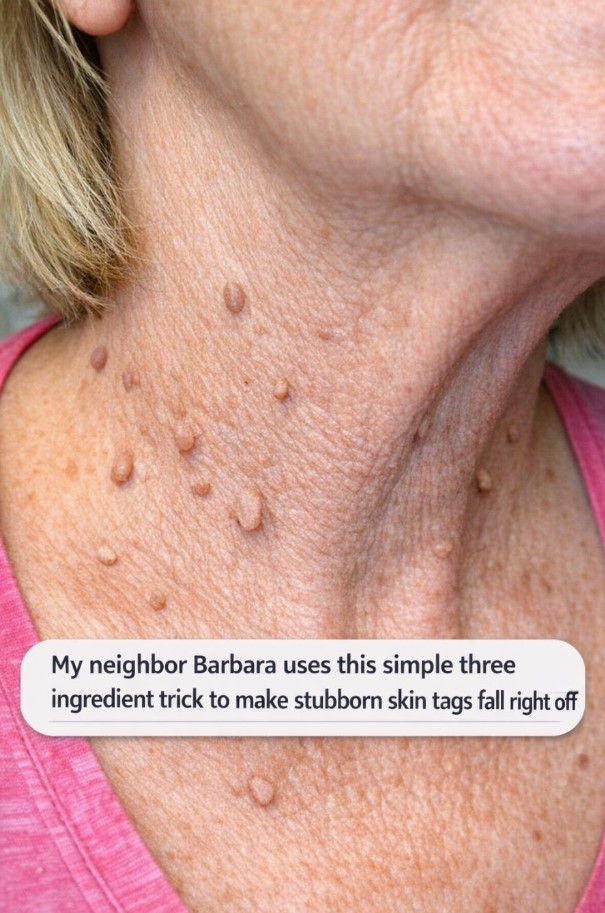
Natural remedies and simple home tricks are becoming increasingly popular, especially when it comes to skincare. Many people prefer avoiding expensive treatments or medical procedures and instead look for easy, affordable solutions they can try at home.
One trending idea involves a “3-ingredient trick” said to help remove skin tags quickly using common household items. Stories like these often spread quickly online, promising fast and effortless results.
But how effective are these methods really? And more importantly—are they safe?
In this article, we’ll explore what skin tags are, why these home remedies are so popular, and what science actually says about using simple ingredients like petroleum jelly for skin concerns.
What Are Skin Tags?
Skin tags (also known as acrochordons) are small, soft growths that commonly appear in areas where skin rubs against skin, such as:
- Neck
- Armpits
- Eyelids
- Under the breasts
- Groin area
They are harmless and non-cancerous, but many people choose to remove them for cosmetic reasons or because they can be irritating.
The Viral “3-Ingredient Trick” Explained
Many online articles claim that combining simple ingredients—often including petroleum jelly, oils, or acidic components—can cause skin tags to shrink or fall off.
These methods are appealing because they are:
- Cheap
- Easy to try at home
- Non-invasive
However, just because something is popular doesn’t mean it is effective or safe.
Does Petroleum Jelly Actually Remove Skin Tags?
One of the most common ingredients mentioned in these tricks is petroleum jelly (like Vaseline). While it has many legitimate skincare uses, removing skin tags is not one of them.
Petroleum jelly works by forming a protective barrier on the skin and locking in moisture—it does not break down or remove skin growths.
There is no strong scientific evidence showing that petroleum jelly can eliminate skin tags.
Why These Home Remedies Seem to Work
Sometimes, people believe these tricks work because:
- Skin tags can occasionally dry out or fall off naturally
- Other ingredients in the mixture may irritate the skin
- Results are coincidental rather than caused by the remedy
This can create the illusion that the method is effective, even when it isn’t scientifically proven.
Potential Risks of DIY Skin Tag Removal
Trying to remove skin tags at home can come with risks, especially if you’re using unverified methods.
Possible issues include:
- Skin irritation or burns
- Infection
- Bleeding
- Scarring
Products like petroleum jelly can also trap bacteria if applied incorrectly, especially on damaged skin.
What Actually Works for Skin Tag Removal
If you want to remove a skin tag safely, medically approved methods include:
- Cryotherapy (freezing)
- Cauterization (burning)
- Surgical removal
- Medical-grade topical treatments
These are typically quick, safe, and performed by healthcare professionals.
When to See a Professional
You should consider seeing a doctor if:
- The skin tag changes color or shape
- It becomes painful or bleeds
- You’re unsure whether it’s actually a skin tag
Getting a proper diagnosis is important before attempting any treatment.
Why Simple Skincare Myths Spread So Easily
Ideas like the “3-ingredient trick” spread quickly because they offer:
- Easy solutions to common problems
- Hope for fast results
- Low-cost alternatives
But not all viral tips are based on science. It’s always important to question and research before trying new methods.
Conclusion :
While the idea of removing skin tags with a simple home remedy may sound appealing, the reality is more complicated. Ingredients like petroleum jelly can be helpful for moisturizing and protecting the skin, but they are not designed to remove growths like skin tags.
Understanding the difference between proven treatments and internet myths can help you make safer, more informed decisions about your health.
In the end, the best approach is a balanced one—combining curiosity with caution. Simple solutions can be helpful in many situations, but when it comes to your skin, it’s always worth choosing methods that are backed by science and proven to be safe.