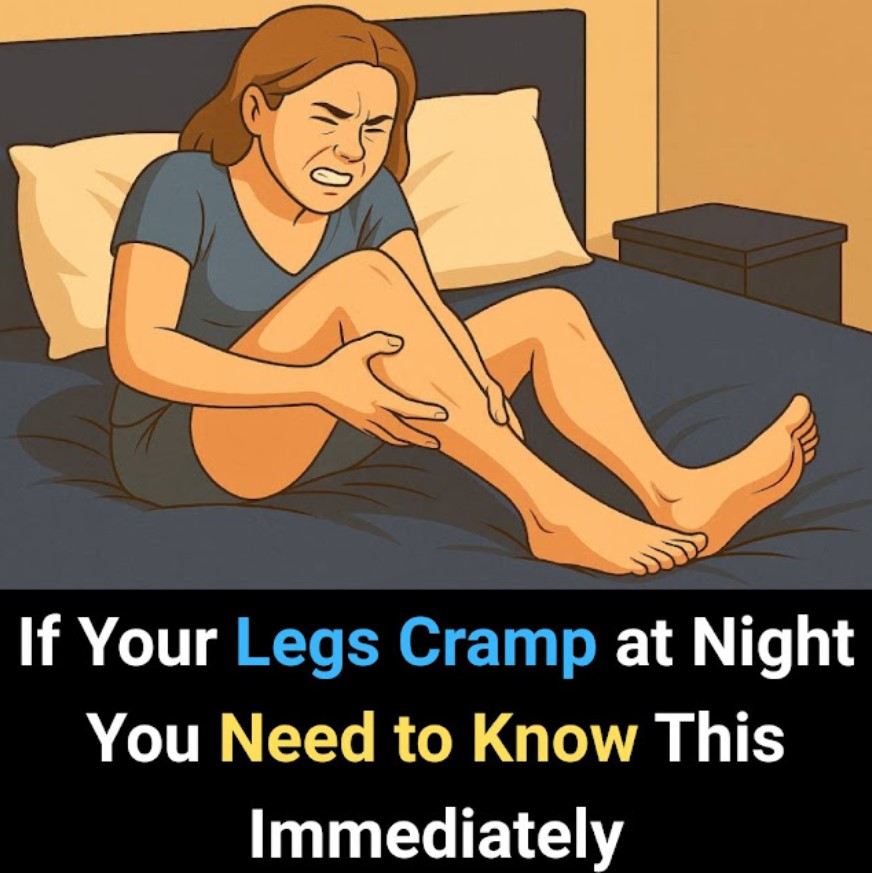
Waking up suddenly in the middle of the night with a sharp pain in your leg is something many people have experienced at least once. That intense tightening sensation—often in the calf or foot—can be painful enough to interrupt sleep completely. These sudden muscle contractions are known as nighttime leg cramps, and while they are usually harmless, they can be very uncomfortable and disruptive.
For some people, leg cramps happen only occasionally. For others, they may occur frequently and affect sleep quality, leaving the legs sore the next day. The good news is that in many cases, these cramps are linked to simple lifestyle factors and can often be managed with small changes in daily habits.
In this article, we’ll explore what causes nighttime leg cramps, what your body may be trying to tell you, and simple steps you can take to reduce or prevent them.
What Are Nighttime Leg Cramps?
Nighttime leg cramps are sudden, involuntary muscle contractions that usually affect the calves, but can also occur in the feet or thighs. They often appear during sleep or periods of rest and can last from a few seconds to several minutes.
During a cramp, the muscle tightens strongly and may feel hard to the touch. After the cramp passes, it’s common to feel soreness or tenderness in the area.
Although painful, these cramps are generally not dangerous. However, frequent episodes may be a sign that something in your lifestyle or body needs attention.
Common Causes of Night Leg Cramps
There is no single cause for nighttime leg cramps. Instead, several factors may contribute:
1. Muscle fatigue
Overworked muscles from long standing, walking, or exercise during the day can become more likely to cramp at night.
2. Dehydration
Not drinking enough water can affect muscle function and lead to cramping, especially during sleep when the body is already slightly dehydrated.
3. Mineral imbalance
Low levels of important minerals such as magnesium, potassium, calcium, or sodium can affect nerve and muscle function, increasing the risk of cramps.
4. Poor circulation
Sitting or lying in one position for long periods can reduce blood flow to the legs, contributing to sudden muscle spasms.
5. Aging
As people get older, tendons naturally become shorter and less flexible, which increases the likelihood of cramps.
6. Certain medications
Some medications, including diuretics or other prescriptions, may affect fluid balance or muscle function and contribute to cramps.
7. Underlying health conditions
In some cases, conditions such as nerve disorders, diabetes, or circulation problems may be linked to recurring cramps.
Most of the time, however, cramps happen without any serious medical reason.
What Your Body Might Be Telling You
While occasional cramps are normal, frequent nighttime leg cramps may be your body’s way of signaling imbalance.
They can sometimes indicate:
- You need more hydration
- Your muscles are overworked
- Your diet may lack key minerals
- You are not stretching enough
- Your circulation needs improvement
Understanding these signals can help you adjust your daily routine and reduce future episodes.
How to Stop a Cramp When It Happens
If you wake up with a cramp, the goal is to gently relax the muscle:
- Slowly stretch the affected leg
- Flex your foot upward toward your body
- Stand up and walk gently if possible
- Massage the cramped muscle
- Apply warmth or a warm cloth to relax tension
These actions help the muscle release and restore normal function more quickly.
Simple Ways to Prevent Night Leg Cramps
Prevention is often more effective than treatment. Here are some easy habits that may help:
Stay hydrated
Drink enough water throughout the day, especially if you are active or live in a warm climate.
Stretch before bed
Gentle calf and leg stretches before sleeping can help relax muscles.
Eat a balanced diet
Make sure your diet includes minerals like magnesium, potassium, and calcium.
Stay active during the day
Regular movement improves circulation and muscle health.
Avoid staying in one position too long
If you sit or stand for long hours, take breaks to move around.
Adjust your sleeping position
Try to avoid pointing your toes downward for long periods while sleeping.
Lifestyle Factors That Make a Difference
Small daily habits can have a big impact on leg cramps. For example, dehydration from caffeine or alcohol can increase cramp risk. Similarly, wearing tight clothing or sleeping in a position that restricts blood flow may also contribute.
Even environmental factors—like sleeping in a cold room with tight covers—can sometimes affect muscle relaxation.
By paying attention to your routine, you may notice patterns that help explain when cramps are more likely to occur.
When to Be Concerned
Most nighttime leg cramps are harmless, but you should consider speaking with a healthcare professional if you notice:
- Frequent or severe cramps
- Cramps that disrupt sleep regularly
- Muscle weakness or swelling
- Cramping along with numbness or other unusual symptoms
These could indicate an underlying condition that needs attention.
Are Night Leg Cramps Common?
Yes, they are very common. Many people experience them at some point in their lives, especially adults and older individuals. They are one of the most common causes of nighttime discomfort in the legs.
Even though they are widespread, the intensity and frequency vary greatly from person to person.
Conclusion :
Nighttime leg cramps can be painful and frustrating, especially when they interrupt sleep without warning. However, in most cases, they are linked to simple and manageable factors such as hydration, muscle fatigue, or mineral imbalance.
By paying attention to your body, staying hydrated, stretching regularly, and maintaining a balanced lifestyle, you can often reduce how frequently these cramps occur.
While they are usually not a sign of something serious, persistent or severe cramps should not be ignored. Listening to your body and making small adjustments can go a long way toward improving comfort and sleep quality.
In the end, better habits often lead to better nights—and calmer legs.