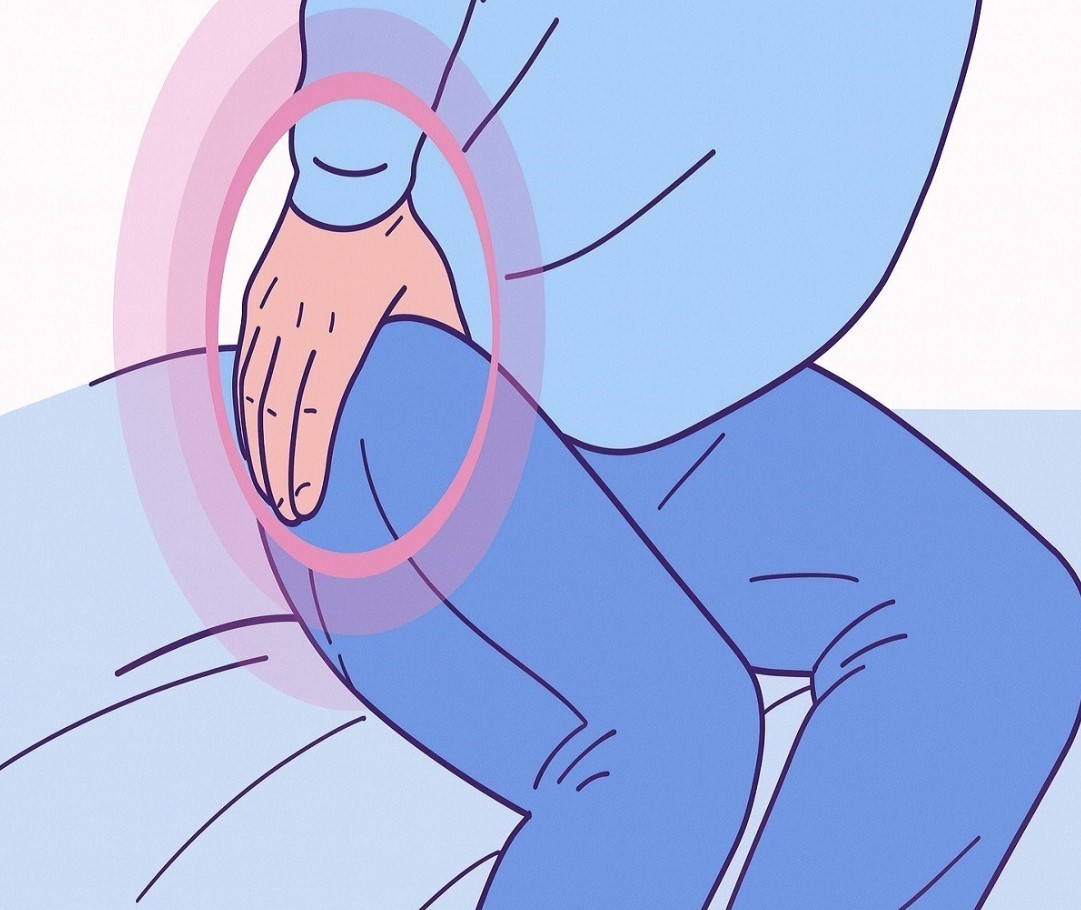
Hip pain is something many people experience at some point in their lives. It can start as a mild discomfort and gradually become more noticeable, or it can appear suddenly and interfere with everyday activities like walking, sitting, or even sleeping.
Because the hip is one of the body’s largest and most important joints, any discomfort in this area can affect your mobility and overall quality of life. Yet, despite how common it is, hip pain is often misunderstood. Some people ignore it, thinking it will go away on its own, while others worry it could be a sign of something serious.
The truth is, hip pain can have many different causes—some minor and temporary, others requiring medical attention. Understanding what your body is telling you is the first step toward finding relief.
Understanding the Hip Joint
The hip is a ball-and-socket joint, which allows for a wide range of motion.
This structure:
- Supports your body weight
- Enables movement like walking, bending, and turning
- Absorbs impact during daily activities
Because it works so hard, the hip is also prone to wear, strain, and injury over time.
Common Causes of Hip Pain
There are many possible reasons for hip pain, ranging from simple muscle strain to more complex joint conditions.
1. Muscle Strain or Overuse
One of the most common causes of hip pain is muscle strain.
This can happen due to:
- Exercise or physical activity
- Sudden movements
- Repetitive motion
The pain is usually temporary and improves with rest.
2. Arthritis
Conditions like Osteoarthritis are a major cause of hip pain, especially in older adults.
Symptoms may include:
- Stiffness
- Reduced range of motion
- Pain that worsens with activity
Over time, the cartilage in the joint wears down, leading to discomfort and inflammation.
3. Bursitis
Hip Bursitis occurs when small fluid-filled sacs (bursae) become inflamed.
This can cause:
- Sharp or aching pain
- Tenderness on the outer hip
- Discomfort when lying on one side
4. Tendon Issues
Tendons around the hip can become irritated or inflamed due to overuse.
This may result in:
- Pain during movement
- Stiffness after rest
- Gradual onset of discomfort
5. Injury or Trauma
Falls, accidents, or sports injuries can lead to hip pain.
Possible issues include:
- Bruising
- Fractures
- Dislocations
These cases often require immediate medical attention.
6. Referred Pain
Sometimes the pain isn’t actually coming from the hip itself.
Conditions like Sciatica can cause pain that travels from the lower back down to the hip and leg.
Where You Feel the Pain Matters
The location of your pain can give clues about the cause:
- Front of the hip → joint-related issues
- Side of the hip → bursitis or muscle strain
- Back of the hip → possible nerve-related pain
Understanding where it hurts can help narrow down the problem.
When Hip Pain Is Usually Not Serious
In many cases, hip pain is temporary and improves with simple care.
Signs it may not be serious:
- Pain improves with rest
- No swelling or severe stiffness
- No difficulty walking
These cases are often related to strain or minor inflammation.
When You Should Seek Medical Attention
You should consult a healthcare professional if:
- Pain lasts more than a few weeks
- It becomes severe or worsening
- You have difficulty walking
- There is swelling or redness
- The pain follows an injury
Early evaluation can prevent complications.
Simple Ways to Manage Hip Pain
For mild cases, you can try the following:
1. Rest and Activity Adjustment
Avoid movements that worsen the pain and give your body time to recover.
2. Cold or Heat Therapy
- Ice can reduce inflammation
- Heat can relax muscles
3. Gentle Stretching
Stretching can improve flexibility and reduce stiffness.
4. Maintain Good Posture
Proper posture reduces strain on the hip joint.
5. Stay Active (But Smartly)
Low-impact activities like walking or swimming can help maintain joint health without adding stress.
Preventing Hip Pain
While not all cases can be prevented, you can reduce your risk by:
- Maintaining a healthy weight
- Staying physically active
- Strengthening muscles around the hips
- Avoiding repetitive strain
- Using proper techniques during exercise
Prevention is often easier than treatment.
Common Misconceptions
Let’s clear up a few myths:
- Hip pain only affects older adults
- It always means arthritis
- It will go away on its own
✔ Hip pain can affect anyone
✔ Causes vary widely
✔ Some cases need attention
Why Listening to Your Body Matters
Pain is your body’s way of signaling that something isn’t right.
Ignoring it may:
- Worsen the condition
- Delay recovery
- Lead to more serious issues
Paying attention early can make a big difference.
Conclusion :
Hip pain is a common issue with many possible causes, ranging from simple muscle strain to more complex joint or nerve conditions. While many cases are mild and improve with rest and basic care, others may require medical attention.
Understanding the type, location, and duration of your pain can help you take the right steps toward relief. The key is not to ignore persistent or worsening symptoms.
Your body is always communicating with you—learning to recognize these signals can help you stay active, healthy, and pain-free in the long run.