When you walk into a home, you often get an immediate feeling about how clean it is—but that first impression is usually based on small details rather than obvious mess. Cleanliness is not only about what is visible on the surface, but also about subtle signs that reveal how well a home is truly maintained. From the smell in the air to the condition of high-touch areas, your senses quickly pick up clues that tell a deeper story.
Understanding what to check first when evaluating a house can help you distinguish between a home that is simply “tidy” and one that is genuinely clean. Many spaces may look organized at first glance, but closer inspection often reveals dust, odors, or neglected areas. That’s why knowing where to look first is so important—it gives you a more accurate picture of hygiene, comfort, and overall care.
1. The First Impression: Smell and Air Quality
One of the very first things people notice when entering a house is the smell. Even before looking around, your nose often detects whether a home feels fresh or not. A clean home usually has neutral or lightly fresh air, while musty odors, strong pet smells, or lingering cooking scents can suggest a lack of deep cleaning.
Air quality is also closely tied to cleanliness. Stale air, poor ventilation, or heavy artificial fragrances can sometimes be used to mask underlying dirt. A genuinely clean home typically smells natural and feels comfortable to breathe in, without anything overpowering.
2. Entryway and Floors
The entryway is one of the most telling areas in any home because it reflects daily habits. If shoes are scattered, floors are dusty, or debris is visible near the door, it often indicates that cleaning is not consistent throughout the house.
Floors are especially important because they collect everything—dust, crumbs, dirt, and pet hair. Clean floors should feel smooth and free of sticky spots or grit when walked on. Even if everything else looks neat, dirty floors can instantly change the impression of cleanliness.
3. Kitchen Cleanliness: The Real Test Area
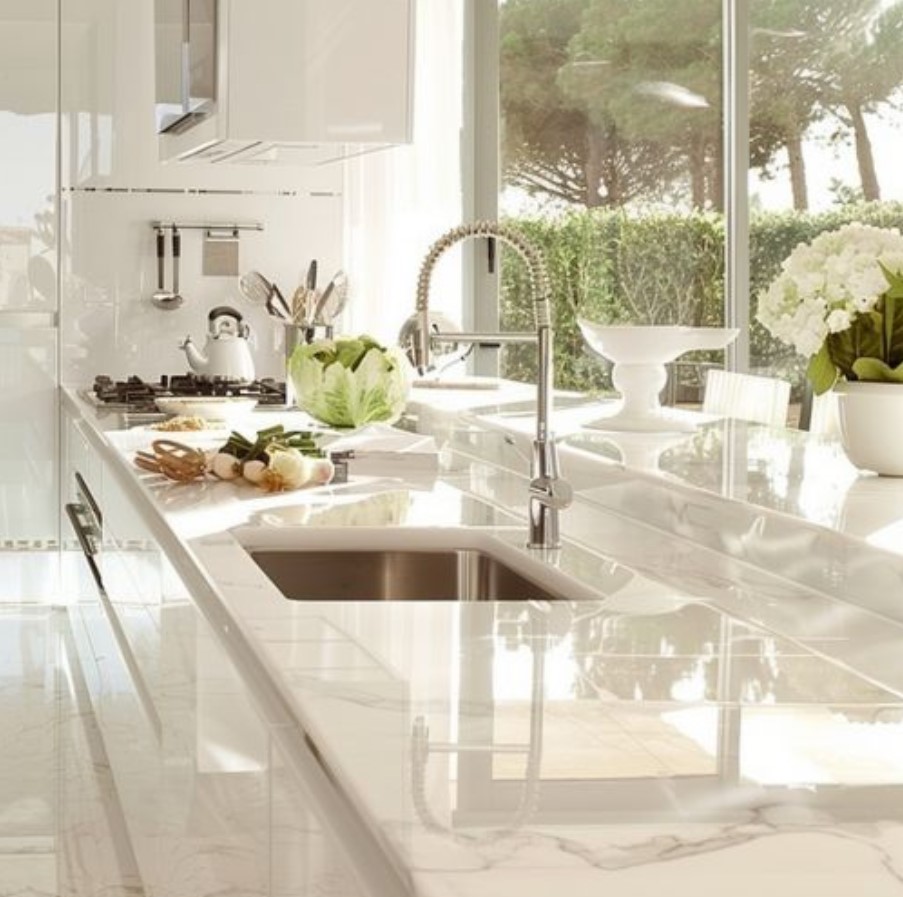
The kitchen is often considered the strongest indicator of a clean home. Since it’s where food is prepared, even small signs of neglect can stand out quickly. Clean countertops, fresh sinks, and grease-free stovetops suggest good hygiene habits.
On the other hand, crumbs in corners, sticky surfaces, or unwashed dishes can immediately signal a lack of attention. Even if the kitchen looks organized, hidden dirt in small areas often reveals whether it is truly clean or just quickly tidied.
4. Bathroom Condition
The bathroom is another major area people notice right away. It is one of the most sensitive spaces in terms of hygiene, so even minor issues stand out. A clean bathroom should have a fresh smell, clear mirrors, and spotless surfaces.
Signs like water stains, soap buildup, or visible dirt around fixtures can quickly reduce the impression of cleanliness. The condition of the toilet, sink, and shower often reflects how seriously cleaning is taken in the entire home.
5. Visible Surfaces and Hidden Dust
At first glance, a home may look perfectly clean, but surfaces often tell a different story. Tables, shelves, and countertops might appear tidy, yet still have dust or residue when looked at closely.
High-touch areas such as light switches, door handles, and picture frames are especially important. These are often overlooked during quick cleaning routines, but they reveal whether a home is deeply cleaned or only superficially maintained.
6. The Importance of Small Details
True cleanliness is often revealed in the smallest details. Things like clean baseboards, dust-free corners, and well-maintained appliances make a big difference in overall perception. Even if these areas are not immediately noticeable, they strongly influence how “clean” a house truly feels.
Many people also notice things like fridge condition, garbage smell, or even how organized everyday items are. These subtle signs often say more than perfectly arranged furniture or decorative setups.
Conclusion :
In the end, the first thing to check when evaluating whether a house is clean is not just one single area, but a combination of key indicators that your senses pick up immediately. Smell, floors, kitchen condition, and bathroom cleanliness all work together to form a complete impression.
A home can look tidy on the surface, but true cleanliness goes deeper—it is reflected in the freshness of the air, the condition of hidden corners, and the consistency of care across every room. When these elements are in place, a house doesn’t just look clean—it feels clean.
Once you understand what to look for, it becomes much easier to recognize the difference between a quick tidy-up and a genuinely well-maintained home. Cleanliness, after all, is not just about appearance—it’s about comfort, health, and attention to detail.