
Many people bring home a plant simply because it looks beautiful—lush green leaves, bright flowers, or a stylish decorative touch for the living room. But what many don’t realize is that some common houseplants can do much more than decorate a space. Some help purify indoor air, some require very specific care, and others may even be harmful to pets or small children if not properly identified.
That’s why the phrase “If you have this plant in your house…” often gets people curious. The truth is, knowing exactly what plant you own is important—not just for appearance, but for safety and proper care.
Plant experts explain that identifying a houseplant helps determine the right watering schedule, sunlight needs, fertilizer use, and even whether the plant may be toxic to pets or children.
Why Plant Identification Matters
Many indoor plants look similar, but their needs can be completely different.
For example:
- A cactus needs very little water
- A peace lily prefers consistent moisture
- A snake plant tolerates low light
- Orchids require special care and humidity
Giving the wrong care to the wrong plant can quickly cause yellow leaves, root rot, or complete plant failure.
Experts note that correct plant identification is the foundation of proper plant care.
Some Common “Special” Houseplants
Several plants are especially popular because of their appearance and benefits.
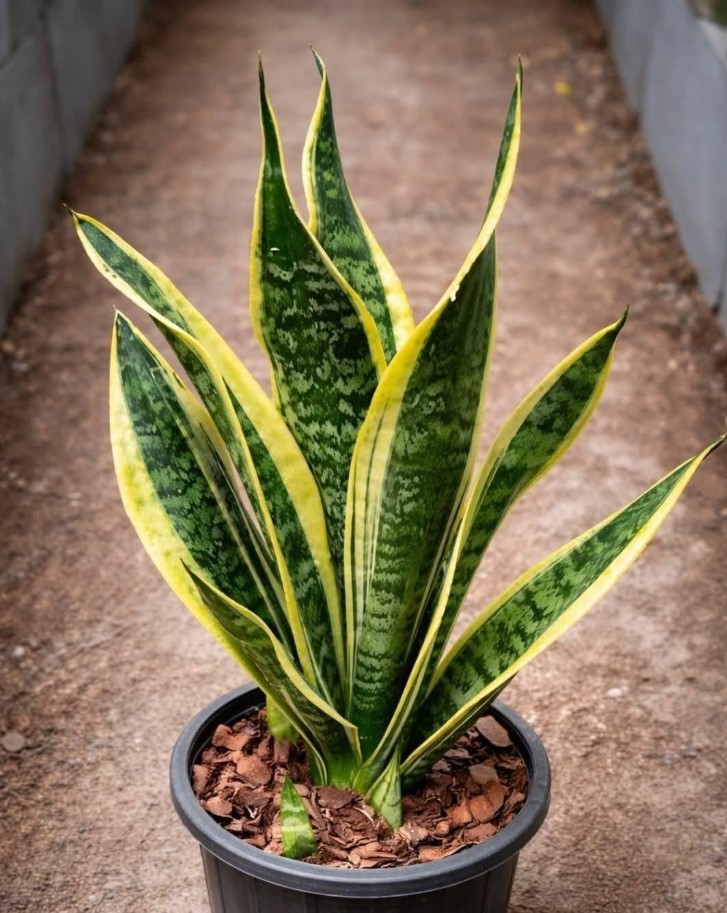
Snake Plant
Also called Mother-in-Law’s Tongue, this plant is known for its tall, upright leaves and strong air-purifying reputation. It is also one of the easiest indoor plants to maintain because it tolerates low light and infrequent watering.
Spider Plant
Spider plants are famous for their long striped leaves and baby “spiderettes” that hang from the mother plant. They are beginner-friendly and often praised for helping improve indoor air quality.
Peace Lily
This elegant plant with white blooms is beautiful but important to identify because it can be irritating if chewed by pets or children. It also prefers different watering needs than many other common plants.
Signs You Should Identify Your Plant Immediately
You should pay closer attention if:
- Leaves are turning yellow
- The plant is dropping leaves
- Growth suddenly slows
- Pets keep chewing on it
- You received it without a label
- You inherited the plant from someone else
Many people keep mystery plants for years without knowing what they are, which often leads to poor care.
The Best Ways to Identify a Houseplant
Experts recommend:
1. Study the Leaves
Look at:
- Shape
- Size
- Color
- Texture
- Vein patterns
Leaves often provide the strongest clues for plant identification.
2. Examine the Stem
Notice whether the stems are:
- Thick or thin
- Woody or soft
- Upright or trailing
- Green, brown, or purple
This helps narrow down the plant family.
3. Check for Flowers
Flowers can make identification much easier because they are often unique to specific plant types.
4. Use Photos
Taking clear photos and showing them to a gardener, nursery expert, or plant identification group can quickly solve the mystery.
Why Some Plants Need Extra Attention
Some plants matter more than others because they may be:
- Toxic to pets
- Harmful to toddlers if touched or eaten
- Difficult to care for without proper light
- Prone to pests if conditions are wrong
Knowing what plant you own protects both the plant and your household.
Conclusion :
Having a plant in your house is about more than decoration—it’s about understanding what you’re caring for. A beautiful plant can improve your home, freshen the air, and create a calming space, but only if it receives the right care.
The most important step is simple: know what plant you have. Correct identification helps prevent overwatering, poor lighting, unnecessary plant loss, and even safety issues for pets and children.
Sometimes the most valuable thing about a houseplant isn’t how it looks—it’s knowing exactly what it needs to thrive.
In the end, if you have “that plant” in your house, don’t ignore it. Learning its name might be the reason it stays healthy for years to come.