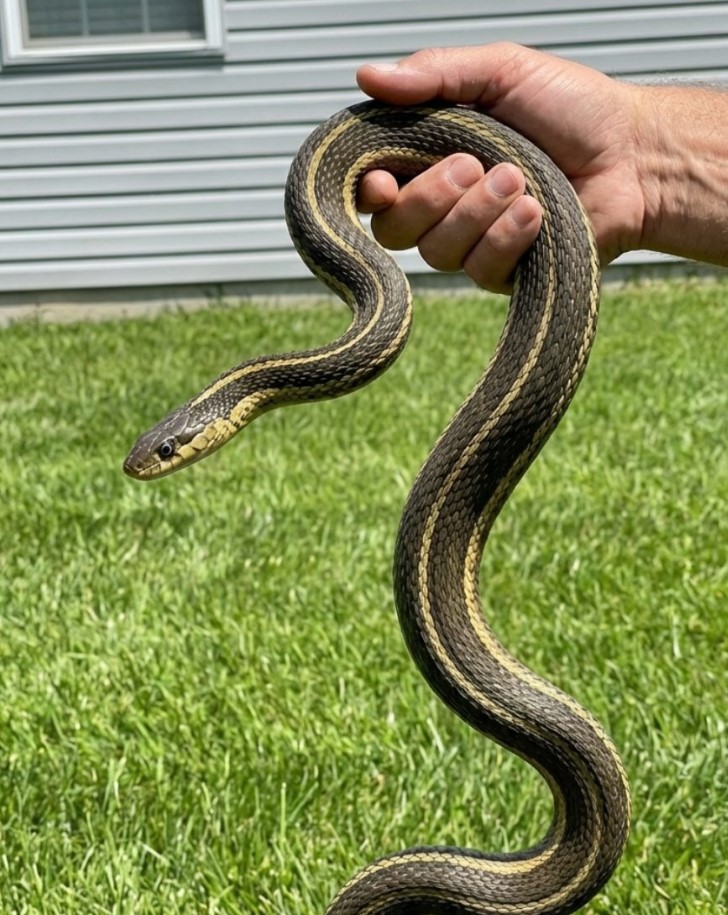
Seeing a snake near your home can be surprising or even frightening, but in most cases, snakes are simply searching for food, water, or shelter. They are not typically aggressive and usually avoid human contact whenever possible. The real issue is that certain home environments unintentionally attract them.
Snakes are often drawn to areas where they can find rodents, insects, tall grass, wood piles, or cool hiding spots. Because of this, keeping them away is less about “repelling” them and more about making your surroundings less attractive and less comfortable for them.
The good news is that you don’t need harsh chemicals or complicated methods to reduce snake activity around your home. Simple, consistent habits in yard maintenance and home care can make a big difference. In this guide, we’ll go through 8 practical and safe ways to help keep snakes away from your home and garden.
1. Keep Your Yard Clean and Free of Clutter
One of the most important steps is removing places where snakes can hide. Snakes prefer cool, dark, and quiet spaces such as piles of leaves, wood stacks, rocks, or unused materials.
Regularly cleaning your yard helps reduce these hiding spots and makes the area less inviting. A tidy outdoor space is one of the strongest natural deterrents.
2. Cut Grass and Trim Overgrown Vegetation
Tall grass and thick bushes provide excellent cover for snakes. When vegetation becomes overgrown, it also attracts rodents, which are a primary food source for snakes.
Keeping grass short and trimming shrubs near your home helps remove both shelter and food sources at the same time, making your yard less appealing overall.
3. Remove Rodent and Insect Food Sources
Snakes usually don’t come near homes randomly—they follow prey. If your property has mice, rats, or insects, snakes may eventually appear as well.
Storing food properly, sealing trash bins, and reducing clutter can help control rodent populations. This step indirectly reduces snake activity by removing their food supply.
4. Seal Cracks and Entry Points Around Your Home
Snakes can enter through surprisingly small openings around foundations, pipes, or gaps under doors. Checking your home for cracks and sealing them helps prevent snakes from getting inside basements, garages, or storage areas.
This is especially important for older homes where small gaps may develop over time.
5. Remove Standing Water Sources
Standing water attracts insects, frogs, and rodents—all of which can attract snakes. Birdbaths, leaking pipes, or puddles around the yard can create an environment that supports the food chain snakes rely on.
Keeping your yard dry and fixing leaks quickly helps reduce this attraction.
6. Store Firewood and Materials Properly
Firewood stacks, bricks, and building materials left directly on the ground create ideal hiding spots for snakes. If possible, store firewood off the ground and away from the house.
This reduces shaded, protected areas where snakes might rest during hot weather.
7. Use Physical Barriers When Needed
In areas where snake activity is more common, physical barriers like fencing can help reduce entry. Fine mesh barriers installed properly around gardens or yard edges can discourage snakes from entering certain spaces.
While no barrier is perfect, it adds an extra layer of protection when combined with yard maintenance.
8. Encourage Natural Predators and Balance
In nature, snakes are part of the ecosystem and are often controlled by predators like birds of prey. Encouraging a balanced outdoor environment by avoiding excess clutter and reducing rodent populations helps maintain a natural balance that discourages snake overpopulation.
A healthy ecosystem is less likely to experience sudden increases in snake activity.
Why Prevention Is More Effective Than Removal
Trying to deal with snakes after they appear is always more difficult than preventing them in the first place. Most snakes enter an area because conditions are already favorable.
By removing shelter, food sources, and access points, you significantly reduce the chances of snakes becoming a regular presence around your home.
Conclusion :
Keeping snakes away from your home is not about using extreme methods or fear-based solutions—it’s about understanding what attracts them and gently removing those conditions. Snakes are naturally shy animals that prefer to avoid humans, so when they appear near homes, it usually means the environment is offering something useful like food, shelter, or cool hiding spaces.
By focusing on simple but consistent actions such as keeping your yard clean, cutting overgrown grass, sealing entry points, and reducing rodent activity, you are essentially making your property less appealing without harming the surrounding ecosystem. These changes don’t just help with snakes—they also improve overall yard hygiene and reduce other unwanted pests at the same time.
It’s also important to remember that snakes play a beneficial role in nature by controlling rodent populations. The goal is not to eliminate them completely, but to naturally encourage them to stay away from human living spaces where they are not needed.
In the end, the most effective strategy is prevention through maintenance. A clean, well-managed outdoor space sends a clear signal that your home is not an ideal habitat. Over time, this simple approach is what keeps snakes away safely, consistently, and naturally.