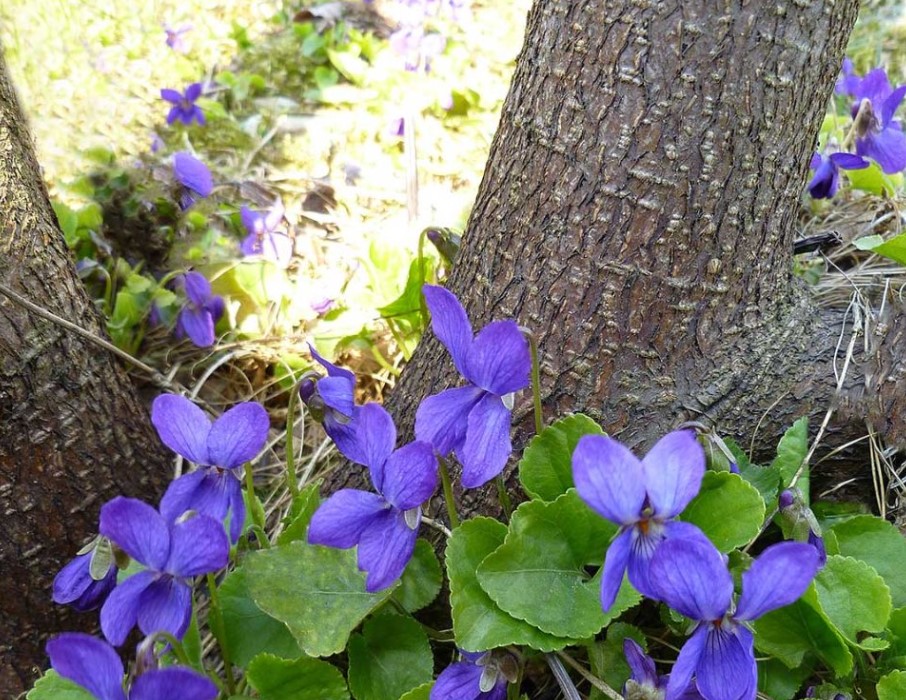
Many plants that grow naturally in gardens, lawns, or sidewalks are immediately labeled as weeds and removed without hesitation. People often assume that anything growing unexpectedly must be harmful, messy, or useless.
However, not every wild plant is actually a weed. Some of the plants people pull out every day may have important environmental benefits, support local wildlife, or even improve soil quality. In many cases, these overlooked plants play a much bigger role in nature than most people realize.
As gardening and natural landscaping become more popular, more people are starting to reconsider which plants truly deserve to be removed and which ones may actually be beneficial to keep.
WHY SOME “WEEDS” ARE ACTUALLY USEFUL PLANTS
The difference between a weed and a useful plant
A weed is often defined simply as a plant growing in an unwanted place. This means that the label “weed” does not always describe the plant itself, but rather how people feel about it.
Many plants considered weeds are actually strong, adaptable species that survive in difficult conditions. Some provide benefits to insects, birds, soil, and even nearby plants.
This is why blindly removing every unfamiliar plant may not always be the best choice.
Why certain wild plants are important for pollinators
Some plants commonly pulled from gardens produce flowers rich in nectar and pollen. These flowers help feed bees, butterflies, and other pollinators that are essential for ecosystems and food production.
Without enough pollinator-friendly plants, many insects struggle to survive, especially in urban environments where natural habitats are limited.
Keeping certain wild plants can help create small safe spaces for these important species.
How deep roots improve soil health
Many naturally growing plants develop deep root systems that help break up compact soil. This allows water and air to move more freely underground, improving soil structure over time.
Some plants also help prevent erosion by holding soil together during heavy rain or strong wind.
Even though they may look messy on the surface, their underground impact can actually benefit the surrounding environment.
Natural plants can support biodiversity
Gardens with a variety of plant species are usually healthier than spaces with only one type of grass or decorative plant. Biodiversity helps attract insects, birds, and microorganisms that contribute to a balanced ecosystem.
Removing every naturally growing plant can sometimes reduce this balance and make outdoor spaces less supportive of wildlife.
This is one reason why some gardeners now intentionally allow certain wild plants to remain.
Why people remove useful plants too quickly
Many people are taught from an early age that a perfect lawn should contain only trimmed grass and carefully selected plants. Because of this mindset, anything different is often removed immediately.
Social expectations and landscaping trends have also encouraged the idea that wild growth automatically looks untidy or unhealthy.
However, modern gardening approaches are starting to challenge this idea by promoting more natural and eco-friendly landscapes.
The growing popularity of natural gardening
Natural gardening focuses on working with nature instead of constantly fighting against it. This includes reducing chemical use, supporting pollinators, and allowing beneficial plants to grow naturally when possible.
Many homeowners are now replacing perfectly trimmed lawns with more diverse outdoor spaces that require less maintenance and support more wildlife.
This shift reflects a growing awareness about environmental health and sustainability.
Not every plant should stay
Although some wild plants are beneficial, it is still important to recognize that certain invasive species can damage gardens, spread aggressively, or harm native ecosystems.
The key is learning to identify which plants are helpful and which ones truly need to be removed.
Observation and education are more effective than automatically pulling out every unfamiliar plant.
Conclusion :
Many plants commonly called weeds are far more valuable than people realize. While they may appear unwanted at first glance, some support pollinators, improve soil health, prevent erosion, and contribute to a healthier ecosystem overall. What looks like a simple wild plant may actually play an important role in maintaining environmental balance.
This growing understanding is changing the way many people approach gardening and landscaping. Instead of focusing only on perfectly trimmed lawns and controlled spaces, more individuals are beginning to appreciate natural biodiversity and the benefits it brings. Gardens are increasingly being viewed not just as decorative spaces, but as living ecosystems that support insects, birds, and soil life.
Another important lesson is that appearances can be misleading. A plant that seems messy or out of place may actually be helping the surrounding environment in ways that are not immediately visible. By learning more about local plants and their functions, people can make smarter decisions about what truly belongs in their garden and what should be removed.
At the same time, balance remains important. Not every wild plant is beneficial, and some invasive species can create real problems if left uncontrolled. The goal is not to stop gardening or maintenance altogether, but to become more thoughtful and informed before automatically removing every unfamiliar plant.
In the end, this topic reminds us that nature is often more complex and connected than it appears. Sometimes the plants we are quickest to pull out are the very ones quietly helping the environment around us.