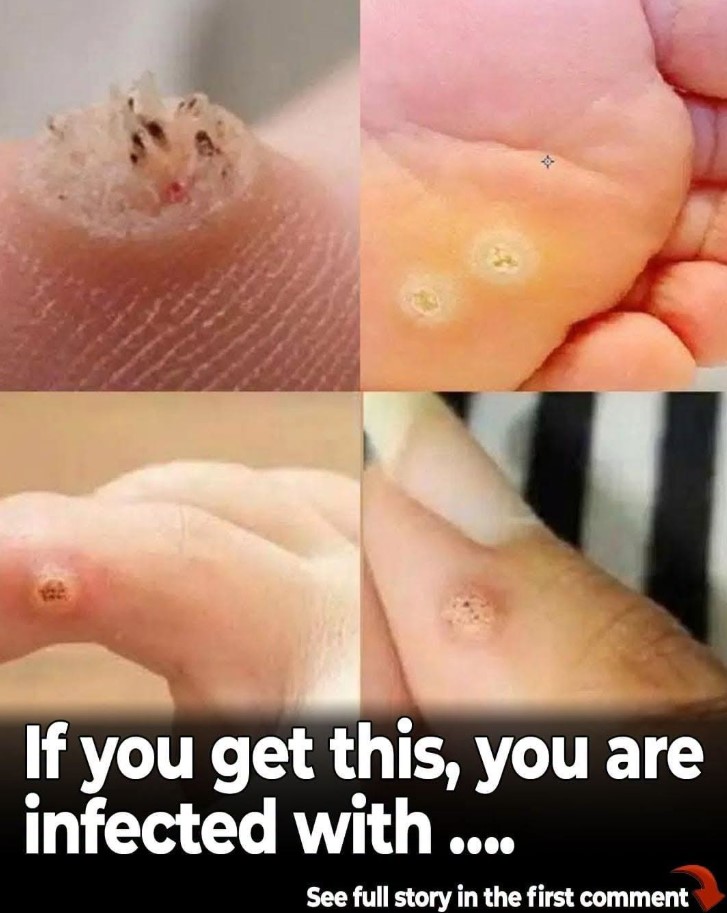
Warts are one of the most common skin conditions people experience throughout their lives. Although they are generally harmless, they can be bothersome, unsightly, and sometimes uncomfortable depending on where they develop. Warts are caused by certain strains of the human papillomavirus (HPV), which enters the skin through tiny cuts or breaks and triggers excessive growth of skin cells.
While many warts eventually disappear on their own, some persist for months or even years if left untreated. Understanding the different types of warts can help you recognize them early and choose the best course of action for managing them.
This guide explores six common types of warts, their signs and symptoms, simple home care approaches, and ways to help prevent future outbreaks.
What Causes Warts?
Warts develop when HPV infects the outer layer of the skin. There are many different strains of the virus, and each tends to affect specific parts of the body.
Several factors can increase the likelihood of developing warts:
- Direct skin-to-skin contact with an infected person
- Sharing personal items such as towels, razors, or nail clippers
- Walking barefoot in public showers or swimming pools
- Having small cuts, scratches, or damaged skin
- A weakened immune system
Not everyone exposed to HPV will develop warts, since each person’s immune response is different.
1. Common Warts
Common warts are the most frequently seen type and usually appear on the hands, fingers, knuckles, and around the nails.
Signs and symptoms:
- Small, rough, raised bumps
- Round or irregular shape
- Grayish, flesh-colored, or brown appearance
- Tiny black dots inside the wart, which are small clotted blood vessels
- Rough, grainy texture
They are usually painless but may become uncomfortable if located in areas that experience frequent pressure.
2. Plantar Warts
Plantar warts develop on the soles of the feet and can become painful due to the pressure of standing and walking.
Signs and symptoms:
- Flat or inward-growing lesions
- Thickened skin surrounding the wart
- Pain or tenderness while standing
- Small black pinpoint spots
- A sensation similar to stepping on a pebble
These warts often require patience because they can be stubborn and slow to disappear.
3. Flat Warts
Flat warts are smaller and smoother than other varieties and often appear in larger numbers.
Signs and symptoms:
- Flat-topped bumps
- Smooth surface
- Flesh-colored, pink, yellow, or light brown appearance
- Usually found on the face, arms, legs, or forehead
- Often appear in clusters
They are more common in children and young adults.
4. Filiform Warts
Filiform warts have a distinctive appearance and grow quickly.
Signs and symptoms:
- Long, narrow projections
- Finger-like growths
- Typically develop around the mouth, nose, eyelids, or neck
- Usually painless
- May become irritated due to friction
Because of their location, people often seek treatment for cosmetic reasons.
5. Periungual Warts
Periungual warts form around or underneath fingernails and toenails.
Signs and symptoms:
- Thick, rough growths around the nail edges
- Irregular surface
- Potential discomfort while using fingers
- Possible interference with normal nail growth
- Increased risk of nail damage
These can become difficult to manage if ignored for long periods.
6. Mosaic Warts
Mosaic warts are actually clusters of plantar warts that merge together.
Signs and symptoms:
- Groups of small warts growing close together
- Usually found on the feet
- Larger affected areas compared to individual plantar warts
- Tenderness during walking
They can be more challenging to treat because multiple warts are involved.
Home Care Options
Many mild cases can be managed at home, although results may take several weeks.
Some common approaches include:
Salicylic acid treatments
Over-the-counter products containing salicylic acid gradually remove layers of the wart over time.
Warm water soaking
Soaking the affected area may soften the skin before applying treatment.
Gentle exfoliation
Using a pumice stone or emery board can help remove dead skin buildup. Always avoid sharing these items.
Duct tape method
Some people use adhesive tape to cover the wart continuously, although scientific evidence supporting this method is mixed.
Prevention Tips
Preventing the spread of warts is often easier than treating them.
Helpful habits include:
- Avoid picking or scratching warts.
- Wash hands regularly.
- Wear sandals in public locker rooms and pools.
- Keep skin clean and dry.
- Avoid sharing personal grooming items.
- Cover cuts and scrapes promptly.
These simple practices can significantly reduce the risk of spreading the virus.
When to See a Doctor
Although most warts are harmless, medical evaluation is recommended if:
- The wart becomes painful.
- It changes color or appearance.
- It bleeds easily.
- It spreads rapidly.
- Home treatment fails after several months.
- You have diabetes or a weakened immune system.
- You are unsure whether the growth is actually a wart.
A healthcare professional can recommend treatments such as cryotherapy, prescription medications, laser therapy, or minor procedures if necessary.
Conclusion :
Warts are extremely common and, while often harmless, they can be frustrating to deal with. Learning to identify the six most common types allows you to respond early and choose appropriate care.
Patience is important because wart treatment often takes time. With proper hygiene, preventive habits, and early management, many cases can be controlled successfully.
If a wart becomes persistent, painful, or unusual in appearance, seeking professional advice is always the safest option. Early intervention can make treatment easier and help prevent the spread to other areas of the body.