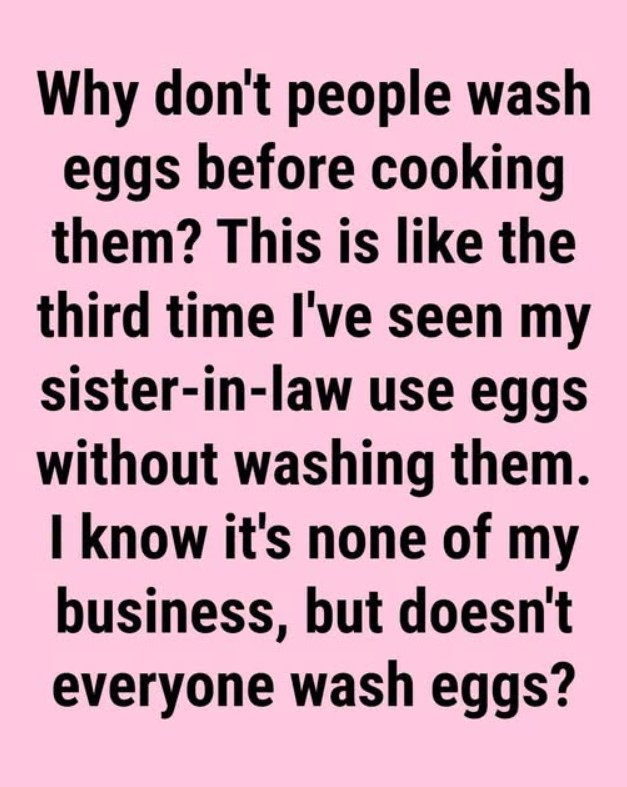
Eggs are one of the most commonly used foods in kitchens around the world, yet there is still plenty of confusion about the proper way to store them. One question that often sparks debate is whether eggs should be washed before being placed in the refrigerator or pantry.
At first glance, washing eggs may seem like a good idea. After all, cleaning food before storing it sounds like an effective way to remove dirt and bacteria. However, when it comes to eggs, the answer is a little more complicated. In fact, washing eggs at the wrong time or in the wrong way can sometimes do more harm than good.
Understanding how eggs naturally protect themselves can help you store them safely, preserve their freshness, and reduce the risk of contamination.
Why Eggs Have a Natural Protective Layer
Freshly laid eggs are coated with a thin protective covering called the cuticle, sometimes referred to as the “bloom.” This invisible layer helps seal the shell’s tiny pores and acts as a barrier against bacteria, moisture loss, and contaminants.
The protective coating serves several important functions:
- Helps prevent bacteria from entering the egg
- Reduces moisture loss
- Preserves freshness for longer periods
- Protects the egg during storage
Once this layer is removed, eggs become more vulnerable to outside contamination.
Should You Wash Eggs Before Storing Them?
In most situations, the answer is no.
If your eggs are already commercially processed and sold in stores, they have usually undergone specific cleaning procedures before reaching consumers. Additional washing at home is unnecessary.
If you have fresh eggs from backyard chickens or local farms, it’s generally best to avoid washing them until you’re ready to use them.
Washing too early may:
- Remove the natural protective coating
- Allow bacteria to penetrate the shell
- Shorten the storage life of the eggs
- Increase moisture buildup
Instead, store eggs properly and clean them only when necessary.
What If the Eggs Are Dirty?
Sometimes fresh eggs may have dirt, feathers, or debris attached to them.
If this happens, consider these options:
Dry cleaning
Use a soft brush, paper towel, or dry cloth to gently remove loose dirt.
Spot cleaning
If absolutely necessary, lightly clean only the affected area shortly before using the egg.
Avoid soaking eggs in water.
Why Temperature Matters
Eggshells are porous, meaning temperature differences can affect them.
Using cold eggs with warm water can create pressure that may draw contaminants through the shell.
If washing becomes necessary:
- Use water that is slightly warmer than the egg itself
- Dry the egg immediately afterward
- Refrigerate promptly if required
Avoid leaving wet eggs sitting at room temperature.
Proper Egg Storage Tips
Good storage habits help maintain freshness and safety.
Refrigerate when appropriate
In many countries, store-bought eggs are refrigerated and should remain refrigerated at home.
Keep eggs in their original carton
The carton helps:
- Protect eggs from absorbing odors
- Reduce moisture loss
- Prevent cracking
- Keep track of expiration dates
Store them in the main body of the refrigerator
Avoid placing eggs in the refrigerator door, where temperatures fluctuate frequently.
Keep temperatures consistent
Stable temperatures help preserve quality and extend shelf life.
Backyard Chicken Egg Considerations
People who raise chickens often have different storage practices.
Unwashed fresh eggs with their protective bloom intact can sometimes be stored at room temperature for limited periods, depending on local food safety recommendations and environmental conditions.
However, once an egg is washed:
- The protective layer is removed
- Refrigeration becomes necessary
- The egg should remain refrigerated afterward
Consistency is important when choosing a storage method.
Common Egg Storage Mistakes to Avoid
Many people unknowingly make these errors:
- Washing all eggs immediately after bringing them home
- Soaking eggs in water
- Storing eggs near strong-smelling foods without protection
- Keeping eggs in unstable temperatures
- Leaving washed eggs unrefrigerated
Avoiding these habits can help maintain egg quality and safety.
How to Tell If Eggs Are Still Fresh
While expiration dates are helpful, you can also look for signs of freshness.
Check for:
- Cracks or damage to the shell
- Unusual odors
- Changes in color or texture after cracking
If an egg smells unpleasant after opening, discard it immediately.
Conclusion :
When it comes to storing eggs properly, understanding their natural design can make a big difference. While washing eggs before storing them may seem like a logical step, it can sometimes do more harm than good by removing the protective coating that nature has already provided. This thin barrier plays an important role in keeping bacteria out and helping eggs stay fresh for a longer period.
The key takeaway is that proper storage matters more than unnecessary cleaning. Whether you purchase eggs from a grocery store or collect them from backyard chickens, handling them correctly from the beginning will help preserve both their quality and safety. Simple habits, such as storing them at a consistent temperature, keeping them in their original carton, and avoiding excessive handling, can greatly extend their freshness.
It’s also important to remember that egg storage practices can vary depending on where you live. In some countries, commercially sold eggs are washed and refrigerated before reaching consumers, while in others they are sold unwashed and can be stored differently. Knowing how your eggs were processed before you bought them can help you make the best storage decisions at home.
In addition, avoiding common mistakes can save you from unnecessary waste. Washing eggs too early, leaving them exposed to fluctuating temperatures, or storing them improperly may shorten their lifespan and increase the risk of contamination. Taking a few extra moments to store them correctly can protect both your food and your health.
At the end of the day, caring for eggs doesn’t have to be complicated. Small, consistent habits are often the most effective. By understanding how eggs naturally protect themselves and by following simple storage guidelines, you can enjoy fresher, safer, and better-quality eggs every time you prepare a meal.
Sometimes the best kitchen practices are the simplest ones. Instead of overcomplicating the process, allowing eggs to retain their natural protection and storing them properly will help you get the most out of one of the most versatile and nutritious foods found in almost every kitchen around the world.