At first glance, a thimble may seem like nothing more than a tiny metal cap tucked away in an old sewing basket. Yet behind this modest sewing accessory lies a remarkable story that spans centuries of innovation, craftsmanship, and everyday life. Long before modern sewing machines and mass-produced clothing became commonplace, thimbles played an essential role in protecting the hands of skilled artisans and homemakers as they stitched garments, quilts, and household linens entirely by hand.
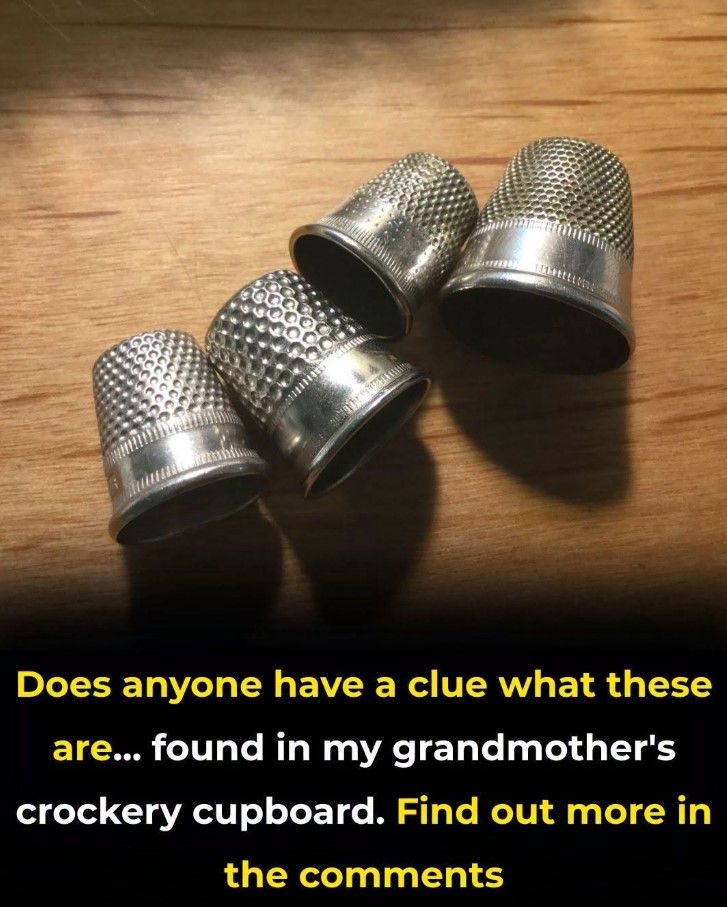
Many people have fond memories of discovering a collection of thimbles inside a treasured sewing box inherited from a parent or grandparent. Some are made of polished silver, others of sturdy brass or steel, while delicate porcelain examples often feature hand-painted flowers or charming landscapes. Each one tells a story—not only about sewing but also about the people who relied on them every day.
Although small in size, the thimble represents centuries of human ingenuity. Its design has changed very little over time because it performs its job so effectively. Beyond its practical use, the thimble has become a symbol of patience, creativity, tradition, and the quiet dedication of generations who created and repaired clothing by hand.
Let’s explore the fascinating history of this timeless sewing companion and discover why it remains one of history’s most enduring tools.
The Origin of the Word “Thimble”
The history of the thimble begins with its name.
The English word “thimble” evolved from the Old English word “thymel,” a term closely connected to the word “thumb.” Early versions of the tool were sometimes referred to as a thumb-stall or finger cap, reflecting their original purpose of protecting the finger used to push a sewing needle through fabric.
As the English language evolved during the 16th and 17th centuries, the name gradually transformed into the familiar word we know today. Although the terminology changed, the purpose of the tool remained exactly the same: protecting the sewer’s fingers while making hand stitching easier and more efficient.
The name itself serves as a reminder that even the simplest household objects often carry centuries of linguistic history.
A Brilliant Design Hidden in Plain Sight
One of the most recognizable features of a traditional thimble is its textured surface.
At first glance, the tiny dimples covering most thimbles may appear to be decorative. In reality, they are a carefully designed engineering solution that has remained effective for hundreds of years.
Why Are Thimbles Covered in Tiny Dimples?
When sewing by hand, the smooth metal needle naturally tends to slide across polished surfaces. If a thimble were completely smooth, the needle could easily slip off while pressure was being applied, increasing the chance of accidental injury.
The small indentations act as miniature gripping points. As the needle presses against them, friction increases, allowing the sewer to transfer force directly into the needle without it sliding across the surface.
This simple but ingenious design offers several advantages:
- Better control while sewing
- Greater pushing power through thick fabrics
- Reduced hand fatigue
- Improved safety
- More accurate stitching
It is an excellent example of how thoughtful craftsmanship can solve everyday problems with remarkable simplicity.
Why Some Antique Thimbles Have Smooth Tops
Not every antique thimble follows the same design.
Experienced collectors often notice that some vintage examples have smooth tops while retaining textured sides. These are commonly associated with professional tailors.
Unlike general sewing, tailoring often required pressing and flattening seams while constructing jackets, coats, and formal garments. The smooth top allowed the tailor to gently shape and press fabric without leaving unwanted marks.
Meanwhile, the textured sides still provided the necessary grip for pushing the needle through heavy wool, canvas, or leather.
This specialized design reflects the incredible attention to detail that traditional craftsmen devoted to their tools.
The Earliest Thimbles in Human History
The origins of the thimble stretch back much farther than many people realize.
As soon as humans began sewing animal hides and woven fabrics together, they needed some form of protection against sharp needles.
Long before metalworking became widespread, early civilizations likely fashioned simple finger protectors from natural materials such as:
- Leather
- Bone
- Wood
- Horn
- Stone
Although these early versions were basic, they performed the same essential function as modern thimbles—protecting the finger while allowing greater pressure to be applied during sewing.
Archaeologists have uncovered metal thimbles dating back to the Roman era, demonstrating that this practical invention has served humanity for nearly two thousand years.
The Arrival of Metal Thimbles
As metalworking techniques improved during the Middle Ages, thimbles became stronger, more durable, and increasingly refined.
Brass, bronze, and copper gradually replaced earlier materials because they could withstand years of repeated use.
By the 15th century, the German city of Nuremberg had become internationally recognized for producing exceptionally high-quality brass thimbles. Skilled metalworkers there perfected manufacturing techniques that combined durability with remarkable precision.
These so-called Nuremberg thimbles were traded throughout Europe and became highly valued among professional tailors and homemakers alike.
Their success demonstrated how even a small household object could become an important part of international trade.
The Steel Revolution
The development of steel manufacturing dramatically transformed the humble thimble.
During the 17th century, improvements in metalworking made it possible to produce thinner yet stronger steel. This led to the creation of highly durable steel thimbles that resisted bending even when considerable pressure was applied.
Cities such as Sheffield, England—already famous for their steel industry—became leading producers of these improved sewing tools.
Steel offered several important advantages:
- Greater strength
- Longer lifespan
- Improved resistance to wear
- Better performance with thick fabrics
- Increased protection against needle punctures
These innovations helped make hand sewing faster, safer, and more comfortable for millions of people.
An Essential Tool in Everyday Life
For centuries, sewing was not considered a hobby—it was a necessary part of everyday survival.
Families routinely made, altered, and repaired:
- Everyday clothing
- Children’s garments
- Quilts
- Blankets
- Curtains
- Bed linens
- Work uniforms
Because replacing clothing was expensive, repairing worn items was an essential household skill.
The thimble quickly became one of the most frequently used tools in every sewing basket. Whether creating a new dress, mending torn trousers, or stitching a warm quilt for winter, it quietly protected the hands performing countless hours of careful work.
Despite its tiny size, the thimble played a significant role in helping families make the most of their resources while extending the life of valuable textiles.