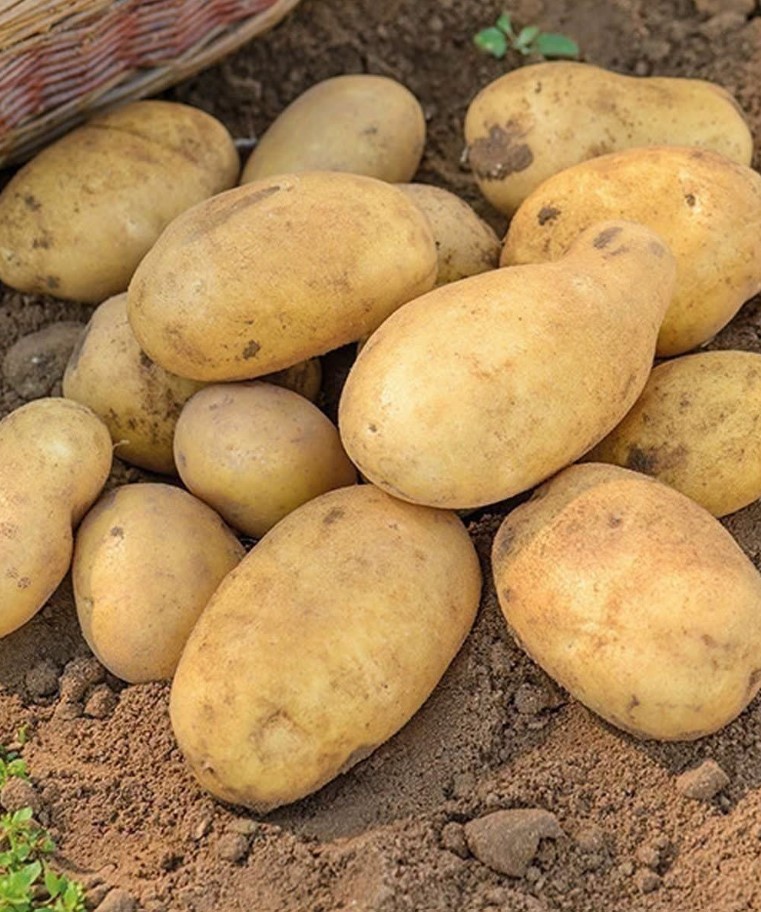
Potatoes have been a staple food for centuries, appearing in countless recipes around the world. Whether they’re baked, roasted, mashed, boiled, or added to hearty soups and stews, potatoes are loved for their comforting taste, versatility, and affordability. Yet despite their popularity, they’ve also been the subject of ongoing debate in the nutrition world. Some people praise potatoes as a nutrient-rich vegetable, while others avoid them because of their carbohydrate content.
So what really happens when you eat potatoes regularly? Are they a healthy addition to your diet, or do they deserve the negative reputation they’ve sometimes received?
The answer isn’t as simple as labeling potatoes as either “good” or “bad.” Health experts agree that the way potatoes affect your body depends on several factors, including how they’re prepared, the portion size, and what they’re eaten with. A baked potato topped with vegetables and lean protein has a very different nutritional profile than a large serving of deep-fried French fries.
In this article, we’ll take a closer look at what doctors and nutrition professionals say about potatoes, explore their nutritional value, discuss both the potential benefits and considerations, and help you understand how to enjoy them as part of a balanced lifestyle.
Potatoes: More Than Just a Source of Carbohydrates
One of the biggest misconceptions about potatoes is that they’re simply “empty carbs.” In reality, whole potatoes contain an impressive variety of nutrients that support overall health.
A medium-sized baked potato with its skin provides:
- Complex carbohydrates for sustained energy
- Dietary fiber
- Vitamin C
- Vitamin B6
- Potassium
- Magnesium
- Small amounts of iron and folate
- Natural antioxidants
Unlike refined carbohydrates, potatoes are minimally processed in their natural form and can fit into many healthy eating patterns when prepared sensibly.
They Can Be an Excellent Source of Energy
Carbohydrates are often misunderstood, but they are the body’s preferred source of fuel. When you eat potatoes, your digestive system breaks their carbohydrates down into glucose, which provides energy for your muscles, brain, and other organs.
This is one reason athletes often include potatoes in their meal plans before or after intense physical activity. They help replenish glycogen stores that become depleted during exercise.
For most healthy individuals, carbohydrates from whole foods like potatoes are an important part of a balanced diet.
Potatoes Are Rich in Potassium
Many people associate potassium with bananas, but potatoes actually provide a significant amount of this important mineral.
Potassium plays several important roles, including:
- Supporting healthy muscle function
- Helping nerves communicate properly
- Assisting in fluid balance
- Supporting normal heart function
- Helping regulate blood pressure as part of an overall healthy diet
Unfortunately, many adults don’t consume enough potassium each day, making foods like potatoes a valuable dietary source.
They Provide Vitamin C
Potatoes may not be the first food that comes to mind when thinking about vitamin C, but they contain meaningful amounts of this essential nutrient.
Vitamin C contributes to:
- Normal immune function
- Collagen production
- Wound healing
- Healthy skin
- Antioxidant protection
Cooking methods influence how much vitamin C remains in potatoes, with boiling sometimes leading to greater losses than baking or steaming.
The Fiber Is Mostly Found in the Skin
If you usually peel your potatoes before cooking them, you may be missing out on much of their fiber.
Fiber supports:
- Healthy digestion
- Regular bowel movements
- Increased feelings of fullness
- Better blood sugar control
- A healthier gut microbiome
Leaving the skin on well-washed potatoes is one simple way to increase their nutritional value.
Potatoes Can Help You Feel Full
One reason potatoes can fit into a healthy eating plan is their ability to promote satiety.
Several studies have suggested that boiled potatoes are among the most filling foods, helping people stay satisfied for longer periods after eating.
Feeling full may reduce unnecessary snacking between meals and make it easier to maintain balanced eating habits throughout the day.
Of course, this benefit is most noticeable when potatoes are prepared without excessive amounts of butter, cream, or deep frying.
Preparation Makes a Big Difference
Perhaps the most important point doctors emphasize is that how you prepare potatoes matters just as much as the potatoes themselves.
Healthier preparation methods include:
- Baking
- Steaming
- Boiling
- Roasting with a small amount of olive oil
- Air frying
These methods preserve much of the potato’s nutritional value while keeping added fats under control.
On the other hand, potatoes that are deep-fried or heavily loaded with high-calorie toppings may contribute significantly more calories, sodium, and saturated fat.
For this reason, nutrition professionals recommend focusing on the overall meal rather than blaming potatoes alone.
Blood Sugar Depends on the Whole Meal
One of the main concerns people have about potatoes is their effect on blood sugar. Potatoes contain carbohydrates that are converted into glucose during digestion, so they can raise blood sugar levels. However, this doesn’t automatically make them unhealthy.
Doctors explain that several factors influence how your body responds to potatoes, including:
- The portion size
- The cooking method
- Whether the potato is eaten hot or cooled
- What foods are eaten alongside it
Pairing potatoes with lean protein, healthy fats, and fiber-rich vegetables helps slow digestion and can reduce rapid spikes in blood sugar.
For example, a baked potato served with grilled chicken and steamed broccoli is nutritionally very different from a large serving of fries accompanied by sugary drinks.
Cooling Potatoes Can Increase Resistant Starch
Here’s an interesting fact that surprises many people.
When cooked potatoes are cooled before eating, part of their starch changes into what’s known as resistant starch.
Resistant starch isn’t fully digested in the small intestine. Instead, it travels to the large intestine, where it acts more like dietary fiber.
Research suggests resistant starch may:
- Support beneficial gut bacteria
- Promote digestive health
- Increase feelings of fullness
- Produce a smaller rise in blood sugar compared to freshly cooked potatoes
This is one reason potato salads made with minimal dressing or leftover roasted potatoes can fit into a balanced diet.
They’re Naturally Fat-Free
Plain potatoes contain virtually no fat.
Their reputation as an unhealthy food usually comes from the ingredients added during preparation.
Examples include:
- Deep frying
- Large amounts of butter
- Heavy cream
- Cheese sauces
- Bacon
- Sour cream
- Excess salt
The potato itself is relatively low in calories for its size.
A medium baked potato contains roughly 160 calories, making it a satisfying option when topped with healthier ingredients like Greek yogurt, herbs, salsa, or cottage cheese.
Potatoes Support Active Lifestyles
Many athletes include potatoes as part of their training nutrition because they provide carbohydrates that help replenish muscle glycogen after exercise.
Combined with protein, potatoes can become an excellent post-workout meal.
Examples include:
- Baked potato with grilled chicken
- Roasted potatoes with salmon
- Potato and vegetable hash with eggs
These combinations provide energy while supporting muscle recovery.
Antioxidants Offer Additional Benefits
Potatoes contain naturally occurring antioxidants that help protect cells from oxidative stress.
Colored varieties such as purple, red, and blue potatoes contain even higher amounts of plant compounds called anthocyanins.
These pigments are the same beneficial antioxidants found in blueberries, cherries, and red cabbage.
While more research continues, diets rich in colorful plant foods are generally associated with better long-term health.
Are Sweet Potatoes Healthier?
People often compare white potatoes and sweet potatoes.
Both are nutritious choices.
Sweet potatoes contain:
- More vitamin A
- Higher amounts of beta-carotene
- Slightly more fiber
White potatoes provide:
- More potassium
- Vitamin C
- Similar amounts of complex carbohydrates
Rather than viewing one as “good” and the other as “bad,” many nutrition experts recommend enjoying both as part of a varied diet.
When Should You Be Careful?
Although potatoes are healthy for most people, moderation is still important.
Doctors may recommend monitoring potato intake if you:
- Have diabetes or prediabetes
- Need to control carbohydrate intake
- Are following a medically prescribed eating plan
Even then, potatoes don’t necessarily need to be eliminated.
Instead, healthcare professionals often focus on:
- Portion control
- Healthier cooking methods
- Pairing potatoes with protein and vegetables
- Choosing whole foods over highly processed meals
Everyone’s nutritional needs are different, so personalized advice from a healthcare provider or registered dietitian is always the best approach.
Common Myths About Potatoes
Myth: Potatoes Always Cause Weight Gain
Weight gain occurs when calorie intake consistently exceeds calorie expenditure.
Potatoes themselves don’t automatically cause weight gain.
Preparation methods and overall eating habits matter much more.
Myth: Potatoes Have No Nutritional Value
As we’ve seen, potatoes contain vitamins, minerals, fiber, and antioxidants that contribute to a balanced diet.
Myth: Low-Carb Diets Mean You Must Avoid Potatoes Forever
Many people following lower-carbohydrate eating patterns occasionally include moderate portions of potatoes while still meeting their nutritional goals.
Balance is usually more important than complete restriction.
Tips for Enjoying Potatoes in a Healthy Way
If you love potatoes, you don’t have to give them up.
Instead, consider these simple habits:
- Leave the skin on whenever possible.
- Bake, steam, or roast instead of deep frying.
- Watch portion sizes.
- Pair potatoes with lean proteins.
- Add plenty of vegetables to the meal.
- Use herbs and spices instead of excessive salt.
- Choose olive oil instead of heavy butter whenever possible.
- Try colorful potato varieties for extra antioxidants.
Small changes can make a significant difference without sacrificing flavor.
Conclusion :
Despite the myths that often surround them, potatoes can absolutely have a place in a healthy, balanced diet. They provide valuable nutrients such as potassium, vitamin C, vitamin B6, fiber, and complex carbohydrates that help fuel the body and support overall wellness. Rather than focusing solely on the carbohydrate content, doctors encourage looking at the bigger picture—including preparation methods, portion sizes, and the overall quality of your meals.
The next time you enjoy a potato, remember that it’s not the potato itself that determines whether a meal is healthy or unhealthy. A baked or roasted potato served with lean protein and colorful vegetables can be both nutritious and satisfying, while heavily processed or deep-fried versions should be enjoyed more occasionally. Like many foods, potatoes are best appreciated in moderation as part of a varied diet rich in whole foods. By making thoughtful choices in the kitchen, you can continue enjoying this timeless favorite while supporting your long-term health and well-being.