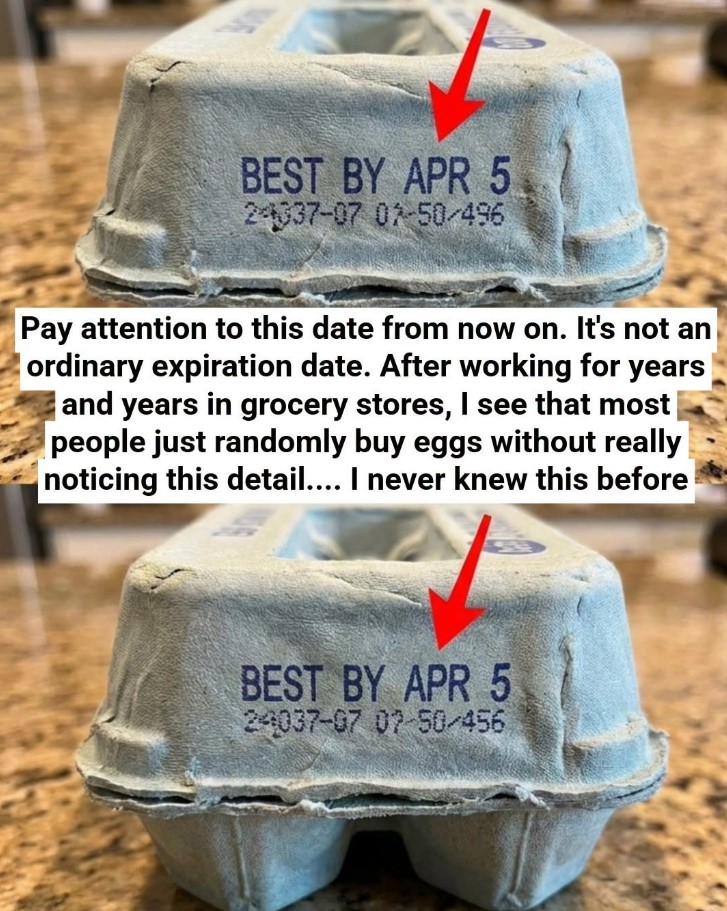
Have you ever picked up a carton of eggs at the grocery store, glanced at the “Best By” date, and tossed it into your shopping cart without another thought? You’re certainly not alone. Most shoppers rely solely on the expiration or best-by date when deciding which carton to buy, but there’s much more information printed on an egg carton than many people realize.
In fact, those seemingly random numbers and codes can tell you when the eggs were packed, where they came from, and even help you choose the freshest carton on the shelf. Once you understand what these markings mean, you’ll be able to shop smarter, store your eggs properly, and reduce unnecessary food waste. Let’s decode the mystery behind egg carton labels and learn how to use this information to your advantage.
Why Egg Cartons Have So Many Numbers
Egg cartons are more than simple containers—they’re designed to provide important information for consumers, retailers, and food safety officials.
Besides protecting the eggs during transportation, the printed codes help identify:
- When the eggs were packed
- Where they were processed
- Which farm or processing plant handled them
- How fresh the eggs are
- When they are expected to provide the best quality
Understanding these details makes shopping much easier once you know what to look for.
The Difference Between “Best By” and “Expiration”
One of the biggest misconceptions is that the “Best By” date means the eggs become unsafe the next day.
In reality:
- Best By indicates when the eggs are expected to maintain their highest quality.
- It is primarily a quality recommendation rather than a strict safety deadline.
- Eggs often remain safe to eat for several weeks after the Best By date if they have been refrigerated properly.
Always inspect eggs before using them rather than relying only on the printed date.
What Is the Julian Pack Date?
One of the most valuable numbers on an egg carton is the three-digit Julian Date, also called the pack date.
This code ranges from:
- 001 = January 1
- 032 = February 1
- 100 = Around April 10
- 200 = Mid-July
- 365 = December 31
The lower the number (relative to the calendar), the earlier in the year the eggs were packed.
For example:
- 045 = February 14
- 120 = April 30
- 250 = September 7
This date tells you when the eggs were washed, graded, and packed—not necessarily when they were laid.
Why the Pack Date Matters
Many experienced shoppers check the pack date before purchasing eggs.
Why?
Because two cartons may have the exact same Best By date but different packing dates.
Generally:
- A more recent pack date usually means fresher eggs.
- Fresher eggs often perform better in baking.
- They maintain firmer whites.
- Yolks stay more rounded.
If freshness matters to you, comparing pack dates can help you choose the better carton.
Understanding the Plant Code
You’ll often notice another code beginning with the letter P, such as:
P-1234
This is the processing plant identification number.
It allows food safety officials to:
- Track eggs back to the facility.
- Monitor production.
- Quickly identify affected batches during recalls.
- Improve food safety investigations.
Although shoppers rarely use this code, it’s an important part of food traceability.
Can Eggs Still Be Good After the Best By Date?
Yes—often they can.
If refrigerated continuously at 40°F (4°C) or below:
- Eggs frequently remain safe for several weeks after the Best By date.
- Quality may slowly decline over time.
- Freshness depends greatly on storage conditions.
Always check for cracks, unusual odors, or discoloration before using older eggs.
The Simple Water Test
If you’re unsure whether your eggs are still fresh, try the classic water test.
Fill a bowl with cool water and gently place an egg inside.
Fresh Egg
- Sinks immediately.
- Lies flat on the bottom.
Older but Still Good
- Sinks but stands upright.
Spoiled Egg
- Floats to the top.
Floating happens because air gradually enters the shell as moisture evaporates over time.
While the water test is helpful, always crack the egg into a separate bowl before cooking if you’re uncertain.
Why Refrigeration Matters
Keeping eggs cold is the most important factor in maintaining freshness.
For best results:
- Refrigerate eggs as soon as possible after purchasing.
- Store them in their original carton.
- Avoid placing them in the refrigerator door, where temperatures fluctuate.
- Keep them away from foods with strong odors, as eggshells are porous.
Consistent refrigeration significantly extends shelf life.
Should You Wash Eggs Before Storing Them?
Generally, no.
Commercially sold eggs have already been cleaned and sanitized.
Washing them again may:
- Remove protective coatings.
- Increase moisture.
- Encourage bacteria to penetrate the shell.
If an egg becomes visibly dirty after purchase, clean it immediately before using rather than before storing.
Why Some Eggs Last Longer Than Others
Freshness can vary depending on several factors, including:
- How quickly eggs were refrigerated after collection.
- Transportation conditions.
- Storage temperatures.
- Packaging practices.
- How long they remained on store shelves.
This is why comparing pack dates can be useful even among cartons sitting side by side.
Tips for Buying the Freshest Eggs
Keep these simple guidelines in mind:
- Choose cartons with the newest pack date.
- Check for cracked or damaged shells.
- Open the carton to inspect every egg.
- Make sure the carton feels cold.
- Select cartons stored in refrigerated displays.
- Purchase eggs near the end of your shopping trip.
These habits help maximize freshness by the time you get home.
Common Myths About Egg Cartons
Myth 1: The Best By date is the expiration date.
Not necessarily. Eggs are often still safe after this date when stored properly.
Myth 2: Brown eggs stay fresh longer.
Shell color depends on the breed of the hen, not freshness.
Myth 3: Larger eggs are fresher.
Egg size has no connection to freshness.
Myth 4: Floating eggs are always dangerous.
A floating egg is older, but the safest approach is to crack it open and check its smell and appearance before deciding whether to use it.
Frequently Asked Questions
What does the three-digit number mean?
It’s the Julian pack date that indicates the day of the year the eggs were packed.
Is the Best By date the same as an expiration date?
No. It indicates peak quality rather than a strict safety deadline.
How long do refrigerated eggs usually last?
Properly refrigerated eggs often remain safe for several weeks beyond the Best By date, although quality gradually decreases.
Should I refrigerate eggs immediately after shopping?
Yes. Keeping eggs cold helps preserve freshness and food safety.
Why should I keep eggs in their original carton?
The carton protects eggs from absorbing odors, minimizes moisture loss, and keeps important freshness information readily available.
Conclusion :
Those small numbers printed on your egg carton provide far more information than most shoppers realize. While the Best By date offers guidance about peak quality, the Julian pack date reveals when the eggs were actually processed, giving you an even better way to judge freshness. Combined with proper refrigeration and a few simple inspection techniques, these markings can help you make informed choices every time you shop.
The next time you’re standing in front of the refrigerated egg display, take an extra moment to look beyond the expiration date. Comparing pack dates, checking the condition of the carton, and understanding the printed codes can help you bring home fresher eggs, reduce food waste, and get the best value for your money. It’s a small habit that can make a surprisingly big difference in your kitchen.