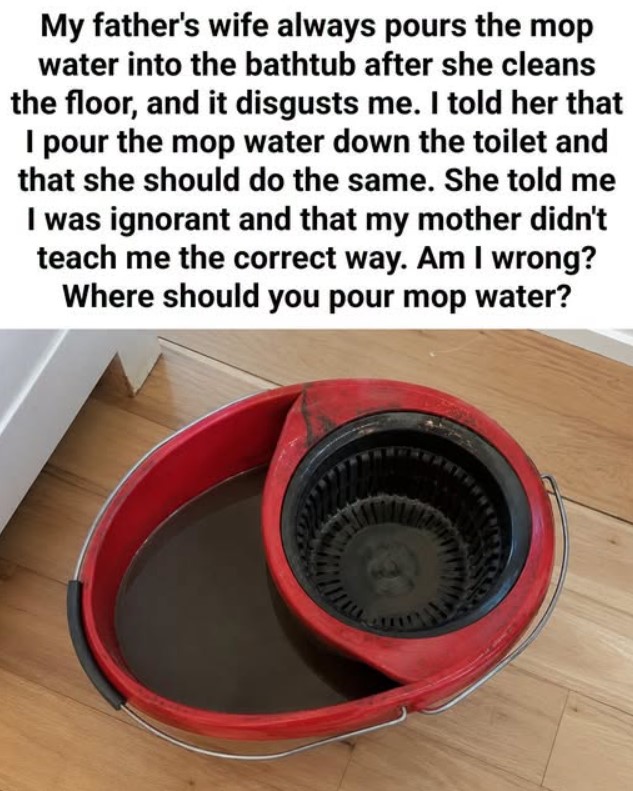
Mopping your floors is one of the easiest ways to keep your home looking spotless and feeling fresh. However, once the job is done, many people are left wondering what to do with the bucket of dirty water. While it may seem like a minor decision, disposing of mop water properly can help maintain better hygiene, protect your plumbing, and even extend the life of your fixtures.
A common debate centers around whether dirty mop water belongs in the toilet or the bathtub. Some households have always emptied it into the toilet, believing it’s the most sanitary choice, while others prefer the bathtub because it’s easier to pour into. Both methods have their advantages, but there are also a few important considerations to keep in mind.
If you’ve ever questioned the best place to dump dirty mop water, you’re not alone. Understanding the pros and cons of each option can help you make the best choice for your home while keeping your bathroom clean and your drains functioning properly.
Why Dirty Mop Water Deserves More Attention
After cleaning your floors, the water left in your bucket contains much more than soap. It often includes:
- Dust and dirt
- Pet hair
- Food crumbs
- Grease
- Bacteria
- Cleaning solution residue
- Small particles collected from shoes and outdoor debris
Because of everything it contains, dirty mop water shouldn’t simply be dumped without thinking about where it goes. Choosing the right disposal method can reduce unpleasant odors, minimize the spread of germs, and help prevent unnecessary drain problems.
Is Pouring Mop Water Into the Toilet a Good Idea?
Many cleaning professionals consider the toilet one of the most practical places to dispose of mop water. Since toilets are specifically designed to handle waste and are flushed immediately afterward, this method helps remove contaminated water from the home quickly.
Benefits of Using the Toilet
1. Better Hygiene
The toilet is designed to carry waste directly into the sewer system. Pouring dirty mop water into it keeps contaminants away from surfaces used for bathing.
2. Immediate Flushing
Once the water is poured in, flushing helps rinse away dirt, cleaning chemicals, and bacteria almost instantly.
3. Less Risk of Residue
Unlike a bathtub, the toilet bowl isn’t a surface people touch regularly while bathing, making it a practical disposal point for dirty water.
Things to Watch Out For
Although the toilet is often a convenient choice, avoid pouring large debris into it. Hair clumps, leaves, or excessive dirt can contribute to plumbing issues over time.
Before emptying the bucket, remove any noticeable debris and dispose of it in the trash whenever possible.
Is the Bathtub an Acceptable Option?
Many people prefer emptying mop water into the bathtub because it’s easier to pour a heavy bucket into the wide drain. In homes without utility sinks, this can be a perfectly reasonable solution.
Advantages of Using the Bathtub
Easy Access
A bathtub provides plenty of room to pour the water without worrying about splashing outside the drain.
Large Drain Opening
Most bathtubs can handle a full bucket of water quickly, making cleanup fast and convenient.
Practical for Heavy Cleaning
If you’re cleaning multiple rooms and changing mop water several times, the bathtub can make the process less physically demanding.
Potential Downsides of Using the Bathtub
Although the bathtub works well, it’s important to remember that it’s also where people bathe. Dirty mop water can leave behind:
- Soap residue
- Dirt
- Greasy film
- Germs
- Cleaning chemical residue
For this reason, it’s essential to rinse the tub thoroughly with clean water after disposing of mop water. Some homeowners also like to give the tub a quick wipe with a sponge or cloth afterward to leave it fresh for the next use.
What About a Utility Sink?
If your home has a utility or laundry sink, it’s often considered one of the best places to dispose of dirty mop water.
These sinks are designed for cleaning tasks rather than personal hygiene, making them ideal for handling dirty water, paint residue, gardening cleanup, and other household chores.
Because utility sinks are built for heavy-duty use, they’re generally the most convenient option whenever available.
Which Option Is More Hygienic?
When comparing the toilet and the bathtub, many cleaning experts lean toward the toilet as the more hygienic option. Toilets are specifically designed to handle waste and contaminated water, making them a logical place to dispose of mop water.
Bathtubs, on the other hand, are intended for personal hygiene. Although pouring mop water into the tub isn’t necessarily unsafe, failing to rinse the tub afterward can leave behind dirt, bacteria, and cleaning solution residue that you probably don’t want lingering where you bathe.
Ultimately, both methods can be perfectly acceptable if proper cleaning practices are followed afterward.
Plumbing Considerations
Another factor worth considering is your home’s plumbing.
Dirty mop water often contains tiny particles of grit, dust, pet hair, and other debris. While these may seem harmless, repeatedly sending large amounts down any drain can contribute to buildup over time.
To help protect your plumbing:
- Empty the bucket slowly to avoid splashing.
- Remove large debris before disposing of the water.
- Flush the toilet immediately after pouring.
- If using the bathtub, rinse the drain thoroughly with clean water.
- Periodically clean bathroom drains to prevent buildup.
These simple habits can help keep your plumbing flowing smoothly for years.
Common Mistakes to Avoid
Many people unknowingly make small mistakes that can create bigger cleaning or plumbing issues over time.
Leaving Dirty Water Sitting Too Long
After mopping, don’t leave the bucket sitting for hours or overnight. Dirty water becomes a breeding ground for bacteria and can develop unpleasant odors.
Reusing Extremely Dirty Water
Trying to save time by cleaning multiple rooms with filthy water usually spreads dirt rather than removing it. Change the water whenever it becomes noticeably cloudy.
Forgetting to Clean the Mop
Your floors won’t stay clean if your mop remains dirty. After every use, rinse the mop thoroughly and allow it to dry completely before storing it.
Ignoring the Bucket
The mop bucket itself should also be rinsed and cleaned regularly. Soap residue and grime can build up inside over time, creating unpleasant smells and encouraging bacterial growth.
What If You Use Strong Cleaning Products?
If your mop water contains disinfectants, bleach, or other powerful cleaning chemicals, always follow the product label’s disposal instructions.
Never mix bleach with ammonia or acidic cleaners, and avoid pouring large amounts of concentrated chemicals down drains unless the manufacturer specifically states that it’s safe to do so.
Whenever possible, dilute cleaning solutions according to the directions before using them. This not only helps protect your plumbing but also ensures the cleaner works as intended.
Extra Tips for a Cleaner Home
Small habits can make a big difference in maintaining a healthier living space.
- Sweep or vacuum before mopping to reduce dirt in the water.
- Change mop water during large cleaning sessions.
- Wash reusable mop heads frequently.
- Replace worn-out mop heads when they no longer clean effectively.
- Keep your bucket clean and dry between uses.
- Allow mops to air dry completely to help prevent mildew and odors.
- Consider using separate mops for bathrooms and living areas to reduce the spread of germs.
These simple practices help ensure that you’re actually cleaning your floors rather than redistributing dirt.
Frequently Asked Questions
Can dirty mop water clog drains?
Usually not, provided that large debris is removed first. However, repeatedly pouring water filled with hair, dust, grease, or food particles into any drain may eventually contribute to blockages.
Is pouring mop water outside a good idea?
That depends on the cleaning products you’ve used. Water containing detergents, bleach, or disinfectants generally shouldn’t be poured onto lawns or gardens because some chemicals may harm plants or contaminate soil.
Should I disinfect the bathtub after pouring mop water into it?
A thorough rinse is often sufficient for routine cleaning. However, if the mop water was particularly dirty or contained bathroom germs, wiping the tub with a bathroom cleaner afterward can provide extra peace of mind.
How often should I replace my mop?
It depends on how frequently you clean and the type of mop you use. Replace mop heads when they become worn, develop persistent odors, or no longer clean effectively despite washing.
Conclusion :
Disposing of dirty mop water may seem like a small detail, but it’s one of those everyday habits that can have a surprisingly big impact on your home’s cleanliness and your plumbing system. Whether you choose to pour it into the toilet or the bathtub, the most important thing is to do so thoughtfully and hygienically.
For many households, the toilet is often considered the cleaner choice because it is specifically designed to handle waste and contaminated water. Simply pouring the bucket carefully and flushing immediately afterward helps carry away dirt, bacteria, and cleaning solution residue with minimal effort. On the other hand, using the bathtub is also perfectly acceptable, especially if it’s more convenient, provided that you rinse the tub thoroughly afterward to remove any remaining grime or residue before its next use.
If you’re fortunate enough to have a utility sink, that is generally the ideal location since it’s intended for heavy-duty cleaning tasks. Regardless of which option you choose, taking a few extra moments to strain out large debris, rinse your bucket, wash your mop, and flush or rinse the drain afterward will help keep both your cleaning tools and your plumbing in excellent condition.
Good floor cleaning doesn’t end when the mopping is finished. Proper disposal of the dirty water, regular maintenance of your equipment, and simple hygiene habits all work together to create a cleaner, healthier home. By paying attention to these often-overlooked details, you’ll not only enjoy fresher floors but also reduce odors, minimize germs, protect your drains, and make your overall cleaning routine more effective. Sometimes it’s the smallest household habits that make the biggest difference over time.