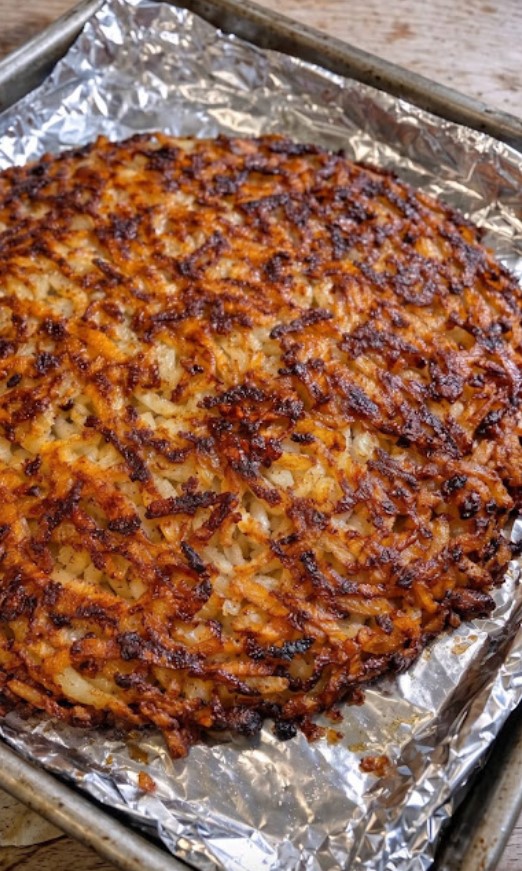
There is something special about old-fashioned recipes that turn simple ingredients into something truly delicious. German Potato Pancakes, traditionally known as Kartoffelpuffer or Reibekuchen, are a perfect example. Made with freshly grated potatoes, onion, eggs, and a little flour, these golden pancakes are crispy around the edges, tender in the middle, and full of comforting homemade flavor.
This traditional German dish is easy to prepare and does not require expensive ingredients or complicated cooking techniques. The secret to getting that wonderful crispy texture is removing as much moisture as possible from the grated potatoes before frying them.
German potato pancakes can be served as a side dish, a light lunch, or even a satisfying breakfast. They are especially delicious with applesauce, sour cream, or a sprinkle of fresh herbs. Whether you are making them for your family or looking for a comforting recipe to enjoy on a cozy evening, these old-fashioned potato pancakes are always a lovely choice.
Ingredients :
This recipe makes approximately 10–12 small potato pancakes.
- 2 pounds russet or other starchy potatoes, peeled
- 1 small yellow onion, finely grated
- 2 large eggs
- ¼ cup all-purpose flour, plus a little more if needed
- 1 teaspoon salt
- ¼ teaspoon ground black pepper
- A pinch of ground nutmeg (optional)
- Vegetable oil, canola oil, or sunflower oil, for frying
For serving (optional):
- Applesauce
- Sour cream
- Chopped fresh parsley or chives
- A little powdered sugar, if you enjoy a sweeter version
How to Make Old-Fashioned German Potato Pancakes
Step 1: Prepare the Potatoes
Peel the potatoes and rinse them briefly under cold water. Using the large holes of a box grater, grate the potatoes into a large mixing bowl.
Work fairly quickly because freshly grated potatoes can begin to darken when exposed to air. You can also use a food processor with a grating attachment to make preparation easier.
Step 2: Remove the Excess Liquid
Transfer the grated potatoes to a clean kitchen towel or cheesecloth. Gather the edges and squeeze firmly over the sink or a separate bowl to remove as much liquid as possible.
This step is very important. Potatoes contain a lot of moisture, and leaving too much liquid in the mixture can make the pancakes soft instead of crispy.
For an extra traditional touch, let the drained potato liquid sit for a few minutes. Carefully pour away the water while leaving any white potato starch that settles at the bottom. You can mix that starch back into the potatoes.
Step 3: Add the Onion and Other Ingredients
Place the drained potatoes in a large mixing bowl. Add the finely grated onion, eggs, flour, salt, black pepper, and optional nutmeg.
Mix everything thoroughly until the ingredients are evenly combined. The mixture should hold together when you scoop it with a spoon. If it seems too wet, add another tablespoon of flour.
Try not to leave the mixture sitting for too long. Once everything is combined, it is best to begin frying the pancakes.
Step 4: Heat the Oil
Pour enough vegetable oil into a large skillet to cover the bottom generously. Heat it over medium to medium-high heat.
To check whether the oil is ready, add a tiny amount of the potato mixture. If it begins to sizzle immediately, the pan is ready.
Avoid making the oil excessively hot. The outside of the pancakes may brown too quickly before the centers have a chance to cook properly.
Step 5: Shape the Potato Pancakes
Scoop approximately 2–3 tablespoons of the potato mixture into the hot skillet for each pancake.
Use the back of a spoon or spatula to gently flatten each portion into a thin, round pancake. Keeping them relatively thin helps the potatoes cook evenly and develop crisp edges.
Do not overcrowd the pan. Leave enough space between the pancakes so you can turn them easily.
Step 6: Fry Until Golden and Crispy
Cook the pancakes for approximately 3–4 minutes on the first side, or until the edges become golden brown and crisp.
Carefully flip each pancake and cook the other side for another 3–4 minutes, adjusting the heat when necessary.
The finished pancakes should have a beautiful golden-brown exterior and a fully cooked, tender center.
Step 7: Drain and Serve
Remove the cooked pancakes from the skillet and place them briefly on a plate lined with paper towels to absorb excess oil.
Continue frying the remaining mixture, adding a little more oil to the skillet when needed.
Serve the pancakes immediately while they are hot and crispy. Add applesauce for a traditional sweet-and-savory combination, or serve them with sour cream and fresh herbs for a savory option.
Helpful Tips for Perfect German Potato Pancakes
Choose the right potatoes: Starchy potatoes, such as russet potatoes, are an excellent choice because they help create a crisp outside and tender inside.
Squeeze out as much moisture as possible: This is one of the most important steps. Excess water can prevent the pancakes from browning properly and may cause them to fall apart.
Grate the onion finely: Finely grated onion blends more evenly into the potato mixture and adds flavor without leaving large pieces.
Keep the pancakes thin: Thick pancakes take longer to cook and may remain soft in the center. Flattening them gently helps them cook evenly.
Fry in batches: Overcrowding the skillet lowers the oil temperature and can make the pancakes greasy. Cooking a few at a time gives them room to become golden and crisp.
Adjust the flour carefully: Different potatoes contain different amounts of moisture. Start with the recommended quantity and add a little more only if the mixture needs help holding together.
What to Serve with German Potato Pancakes
One of the nicest things about this recipe is how easily it can be served in different ways.
- Applesauce: A classic German-style accompaniment that adds a sweet contrast to the savory potatoes.
- Sour cream: Its cool, creamy texture pairs beautifully with the crispy pancakes.
- Fresh herbs: Parsley, chives, or dill add freshness and color.
- Smoked salmon: A delicious option when you want to turn the pancakes into a more substantial meal.
- Roasted vegetables: Serve them alongside carrots, green beans, or a fresh seasonal salad.
- Eggs: Add fried or scrambled eggs for a satisfying breakfast or brunch.
How to Store Leftovers
German potato pancakes taste best when served fresh, but leftovers can be saved.
Allow the pancakes to cool, then place them in an airtight container and refrigerate them for up to 3–4 days.
To bring back some of their crispiness, reheat them in a skillet with a small amount of oil over medium heat. You can also warm them in an oven at 375°F (190°C) until heated through.
An air fryer is another convenient option. Arrange the pancakes in a single layer and heat them until hot and crisp, checking frequently to prevent over-browning.
You can also freeze cooked pancakes. Let them cool completely, place parchment paper between them, and store them in a freezer-safe container. Reheat from frozen in an oven or air fryer until thoroughly hot.
Frequently Asked Questions
Why are my German potato pancakes falling apart?
The mixture may contain too much moisture or not enough binding ingredients. Squeeze the grated potatoes thoroughly and make sure the eggs and flour are evenly mixed into the batter. Add a little extra flour if necessary.
Why are my potato pancakes not crispy?
The most common reasons are excess moisture, oil that is not hot enough, or overcrowding the skillet. Remove as much liquid as possible and fry the pancakes in small batches.
Can I prepare the potato mixture ahead of time?
It is best to grate and mix the potatoes shortly before frying. Raw grated potatoes can darken when exposed to air, and the mixture may release additional liquid as it sits.
Can I make these pancakes without onion?
Yes. Onion adds traditional flavor, but you can leave it out if you prefer a milder taste. The pancakes will still be delicious.
Are German potato pancakes sweet or savory?
The pancakes themselves are generally savory because they are made with potatoes, onion, salt, and pepper. However, they are often served with applesauce or other sweet toppings, creating a delicious contrast.
Conclusion :
Old-Fashioned German Potato Pancakes are a wonderful reminder that some of the most satisfying meals come from the simplest ingredients. With just potatoes, onion, eggs, flour, and a few seasonings, you can prepare a comforting homemade dish that is crispy on the outside, soft in the middle, and full of traditional flavor.
The real secret to making them successfully is taking a little extra time to squeeze the moisture out of the grated potatoes, keeping the pancakes thin, and frying them in properly heated oil. These small details make a big difference and help create the golden, crunchy texture that makes German potato pancakes so memorable.
They are also wonderfully versatile. Enjoy them with applesauce for a traditional combination, add sour cream and fresh herbs for a savory touch, or serve them alongside eggs and vegetables for a complete meal. You can prepare them for a relaxed family breakfast, a simple lunch, or a comforting dinner when you want something homemade without spending hours in the kitchen.
Once you make a batch, you may find that they disappear from the plate faster than expected. Their crispy edges and tender centers make them difficult to resist, especially when served straight from the skillet.
If you love traditional comfort food and recipes that bring people together around the table, these Old-Fashioned German Potato Pancakes deserve a place in your kitchen. They are simple, satisfying, and delicious proof that a humble potato can become something truly special.