Getting your nails done is one of those small pleasures that can make you feel refreshed, confident, and a little more put together. Whether you are getting a simple manicure, a relaxing pedicure, gel polish, acrylic extensions, or a detailed nail-art design, the experience often involves time, patience, and skill from your nail technician.
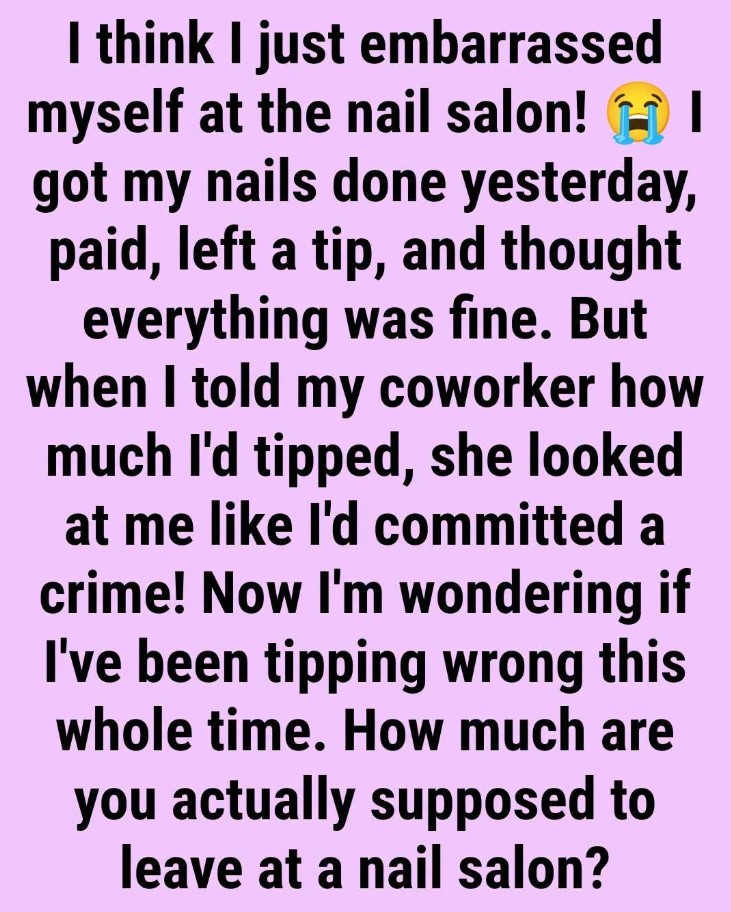
But when it comes time to pay, one question can make people hesitate: How much should you tip?
You may wonder whether 15% is enough, whether 20% is expected, or whether you should leave more when your technician goes above and beyond. Tipping etiquette can feel confusing, especially when prices vary from salon to salon and the service takes different amounts of time.
Fortunately, there is a simple guideline that can help you feel comfortable without overthinking it.
How Much Should You Tip at a Nail Salon?
In the United States, a tip of 15% to 20% is a common guideline for nail salon services. This range is generally considered a reasonable way to show appreciation for the technician’s time, effort, and attention to detail.
For a standard manicure or pedicure, 15% may be a comfortable starting point. If you are particularly happy with the service, the quality of the work, or the care your technician took during your appointment, 20% or more may be appropriate.
You do not need to feel pressured to calculate the perfect amount down to the last cent. The goal is to leave a tip that reflects your satisfaction and fits comfortably within your budget.
Nail Salon Tip Examples
Sometimes it is easier to understand tipping when you see the actual numbers. Here is what different percentages look like depending on the total price of your appointment.
| Service Cost | 15% Tip | 18% Tip | 20% Tip |
|---|---|---|---|
| $25 | $3.75 | $4.50 | $5 |
| $40 | $6 | $7.20 | $8 |
| $50 | $7.50 | $9 | $10 |
| $60 | $9 | $10.80 | $12 |
| $75 | $11.25 | $13.50 | $15 |
| $100 | $15 | $18 | $20 |
For example, if your manicure costs $50, leaving $7.50 would equal a 15% tip. Leaving $10 would equal 20%.
If you prefer simple numbers, you can round your tip up to the nearest dollar. Many people find that easier than doing percentage calculations every time they visit the salon.
Is Tipping at a Nail Salon Expected?
Tipping is customary in many nail salons in the United States. It is a way for customers to recognize the service they received and show appreciation for the technician’s work.
Nail appointments are not always as simple as they appear. A technician may spend considerable time preparing the nails, removing old polish, shaping each nail, caring for the cuticles, applying several layers of product, and making sure the final result looks neat and balanced.
Some services require additional patience and precision, especially when dealing with nail extensions, gel applications, intricate designs, or repairs.
Although tipping practices can vary depending on the salon, location, and personal circumstances, leaving a tip when you are satisfied with the service is a common gesture of appreciation.
When Should You Tip More?
There are situations when leaving more than the usual 15% to 20% can make sense. You do not have to tip extra every time, but certain services may deserve additional recognition.
Detailed nail art: If your technician creates flowers, intricate patterns, hand-painted designs, tiny details, or a complicated look that takes extra time, a larger tip may be a thoughtful gesture.
Long or complicated appointments: Some appointments take much longer than a basic manicure. If your technician spends extra time carefully completing your nails and making sure everything looks right, you may choose to tip more.
Excellent attention to detail: If your technician is careful, patient, listens to what you want, and makes adjustments until you are happy with the result, a higher tip can reflect your appreciation.
Last-minute appointments: If the salon accommodates you at an inconvenient time or your technician makes an extra effort to fit you into a busy schedule, you may wish to leave a little extra.
Fixing a problem with care: If a nail breaks during your appointment or you need an unexpected repair and your technician takes extra time to fix it properly, a larger tip may be appropriate if you are satisfied with the result.
A generous tip does not have to be enormous. Even adding a few dollars can be a meaningful way to say thank you.
Should You Tip More for Gel, Acrylic, or Nail Extensions?
Not necessarily. The type of service alone does not mean you must automatically leave a larger percentage.
A gel manicure, acrylic set, dip powder appointment, or nail-extension service may cost more than a basic manicure because it involves additional products, time, and techniques. The standard tipping percentage can still be a useful starting point.
However, some of these appointments involve extra work, especially when the technician has to shape extensions, correct uneven nails, remove an old set, or create a custom design.
Rather than feeling obligated to tip a certain amount simply because you chose a more expensive service, consider the effort involved and how satisfied you are with the finished result.
Should You Tip for a Pedicure?
Yes, tipping for a pedicure is customary in many American salons, just as it is for a manicure.
A pedicure may involve soaking, nail trimming, shaping, cuticle care, exfoliation, moisturizing, massage, and polish application. Some appointments are simple, while others include additional treatments that require more time and attention.
The same 15% to 20% guideline can be used for a pedicure. If you receive a particularly relaxing treatment or your technician takes exceptional care of you, you may decide to leave a little more.
If you receive both a manicure and pedicure during the same visit, calculate your tip based on the combined service cost, or tip each technician separately if different people perform the services.
Should You Tip in Cash or on Your Card?
Both options can be convenient, but many customers prefer leaving a cash tip when possible.
Cash allows you to hand the tip directly to your nail technician, and it can be a simple way to make sure the person who performed your service receives your appreciation. However, salon policies differ, so it is perfectly reasonable to ask whether tips added to a credit or debit card are distributed directly to the technicians.
If you do not have cash, leaving a tip through the payment terminal is generally a practical alternative, provided the salon accepts it.
The most important thing is not whether you use cash or a card, but that you understand how the salon handles tips.
Do You Tip the Salon Owner?
This is a question many customers are unsure about.
Traditionally, some customers have been less likely to tip salon owners than employees. However, many salon owners still perform services themselves, spend hours working with clients, and provide the same level of care and skill as other technicians.
If the owner personally does your manicure or pedicure, you can tip them just as you would another nail technician, especially if you are pleased with the service.
Rather than worrying too much about whether someone owns the salon, focus on the work they personally performed and your experience as a customer.
What If You Cannot Afford a 20% Tip?
A tip should not make you feel financially uncomfortable or force you to spend money you do not have.
If your appointment is already stretching your budget, leaving 15% instead of 20% can still be a reasonable choice within the common tipping range described above. If you can afford only a smaller amount, give what you comfortably can and avoid putting yourself under unnecessary financial pressure.
It is also perfectly acceptable to choose a less expensive service, skip additional treatments, or wait until you can afford the appointment more comfortably.
A good salon experience should leave you feeling relaxed and happy, not stressed about your finances afterward.
Easy Ways to Calculate Your Tip Without a Calculator
If you do not want to calculate percentages every time, there are a few simple tricks.
To calculate 10%, move the decimal point one place to the left. For a $50 service, 10% is $5.
To calculate 20%, double that amount. On a $50 service, 20% is $10.
For 15%, add half of the 10% amount to the 10% amount. On a $50 service, that would be $5 plus $2.50, giving you $7.50.
Once you learn these simple calculations, deciding how much to tip becomes much easier, even when you are paying for several services at once.
Nail Salon Tipping Etiquette to Remember
A few small habits can make paying at the salon easier and more comfortable for everyone.
- Check the final bill before calculating your tip.
- Use 15% to 20% as a general guideline for nail services in the United States.
- Consider tipping more when the service involves extra time, detailed nail art, or exceptional care.
- If several technicians worked on you, consider how the tip should be divided.
- Ask politely if you are unsure whether card tips are shared.
- Do not feel embarrassed about asking questions regarding salon tipping policies.
- Leave an amount that reflects your satisfaction while staying within your budget.
You do not need to make tipping complicated. A little consideration and a simple thank-you can go a long way.
Final Thoughts
Knowing how much to tip at a nail salon can make your appointment feel much more relaxed from beginning to end. While tipping practices vary, 15% to 20% is a common guideline for nail services in the United States and provides an easy starting point for most manicures and pedicures.
If your technician delivers excellent service, spends extra time on detailed nail art, or goes out of their way to make sure you are happy with your nails, leaving a little more can be a thoughtful way to show your appreciation.
At the same time, tipping should be guided by your budget and the service you received. You do not need to stress over finding one perfect amount for every appointment.
The next time you visit the nail salon, you can enjoy your manicure or pedicure, pay your bill, and leave a tip with confidence. A simple gesture of appreciation can help make a good salon experience even better.