The human body is incredibly adaptable, capable of adjusting even after the loss of an organ. One of the most common surgeries worldwide is gallbladder removal, and while many people live perfectly normal lives afterward, the body does go through noticeable changes—especially in how it digests food.
The gallbladder may be small, but it plays an important role in digestion by storing and releasing bile, a fluid that helps break down fats. When it’s removed, the body must quickly adapt to a new way of processing food. For some people, this transition is smooth, while for others, it comes with temporary—or sometimes longer-lasting—digestive changes.
Understanding what happens after gallbladder removal can help you better manage symptoms, adjust your diet, and feel more in control of your health. Let’s explore how your body changes and what you can expect during this adjustment period.
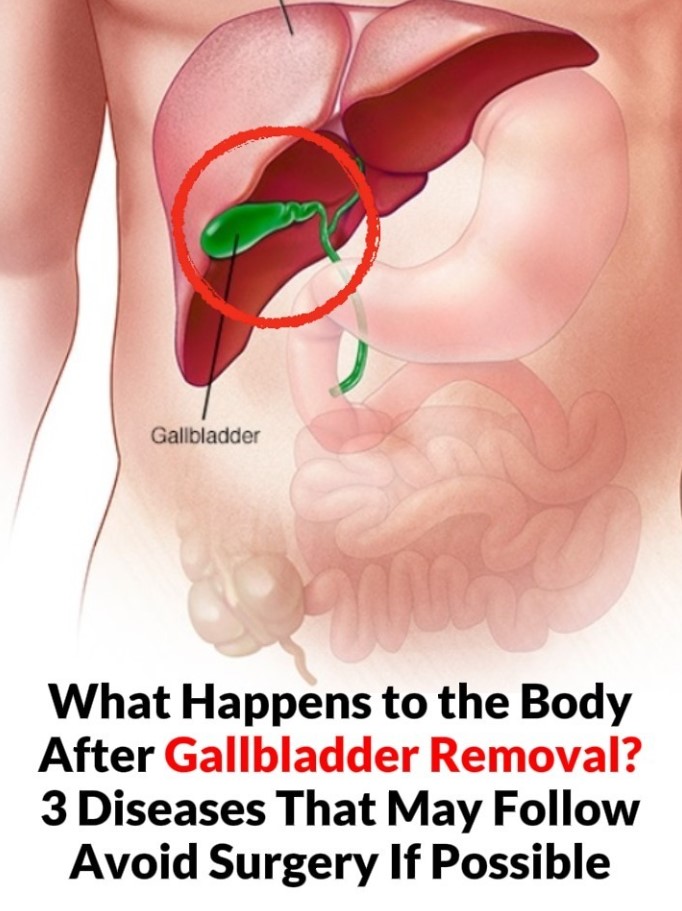
What the Gallbladder Does
Before understanding the changes, it’s important to know the gallbladder’s role.
- It stores and concentrates bile produced by the liver
- It releases bile when you eat, especially fatty foods
- It helps your body digest and absorb fats efficiently
Without it, your digestive system still works—but in a different way.
1. Bile Flow Changes
The most significant change after gallbladder removal is how bile moves through your body.
Instead of being stored and released when needed, bile flows directly from the liver into the small intestine in a continuous stream.
This means:
- Bile is less concentrated
- It’s not released at the exact moment your body needs it
- Fat digestion becomes less efficient, especially after large meals
Think of it like switching from a controlled “release system” to a constant drip.
2. Difficulty Digesting Fat
Because bile is no longer stored and released in large amounts during meals, your body may struggle to process fatty foods.
Common effects include:
- Indigestion after greasy meals
- Feeling heavy or uncomfortable after eating
- Loose or oily stools
This happens because bile is essential for breaking down fats, and without proper timing, digestion becomes less efficient.
3. Digestive Changes and Side Effects
Many people experience temporary digestive symptoms after surgery as the body adjusts. These may include:
- Diarrhea
- Bloating and gas
- Cramping
- Increased urgency to use the bathroom
This is partly because bile flowing directly into the intestines can have a mild laxative effect.
In most cases, these symptoms improve over time as the body adapts.
4. Changes in Bowel Habits
After gallbladder removal, bowel movements may become less predictable at first.
You might notice:
- More frequent trips to the bathroom
- Softer or looser stools
- Sensitivity to certain foods
This condition is sometimes referred to as post-cholecystectomy syndrome, affecting a portion of patients.
5. Reduced Absorption of Certain Nutrients
Since bile helps absorb fat-soluble vitamins, some people may experience reduced absorption of:
- Vitamin A
- Vitamin D
- Vitamin E
- Vitamin K
Over time, this can lead to deficiencies if diet and nutrition aren’t properly managed.
6. The Body Adapts Over Time
The good news is that the body is highly adaptable.
- Most people return to normal digestion within weeks or months
- The liver continues producing bile as needed
- The digestive system gradually adjusts to the new flow
In fact, many people live completely healthy lives without a gallbladder.
Tips to Help Your Body Adjust
To support your body after gallbladder removal:
- Eat smaller, more frequent meals
- Avoid very fatty or greasy foods at first
- Gradually reintroduce fiber into your diet
- Stay hydrated
- Focus on balanced, whole foods
These simple changes can significantly reduce discomfort and help your digestion stabilize.
Conclusion :
Gallbladder removal marks a significant change in how your body processes food, but it’s important to understand that it’s not a limitation—it’s an adjustment. While the gallbladder plays a helpful role in digestion, it is not essential for survival, and the body is remarkably capable of adapting to life without it.
In the beginning, the changes can feel noticeable. You may need to rethink your eating habits, pay closer attention to how your body reacts to certain foods, and make small but meaningful adjustments to your daily routine. These early challenges are simply part of the body’s transition as it learns to function in a new way.
Over time, most of these symptoms improve or even disappear entirely. Your digestive system gradually becomes more efficient, your tolerance for different foods increases, and your body finds its new balance. What once felt unfamiliar eventually becomes your normal.
This experience also offers an opportunity to develop healthier habits. Many people find themselves becoming more mindful of what they eat, choosing lighter, more balanced meals that support better digestion and overall well-being. In this way, gallbladder removal can sometimes act as a turning point toward a healthier lifestyle.
It’s also important to remember that every person’s experience is unique. While some adjust quickly, others may take longer or require more dietary changes. Listening to your body and making gradual, thoughtful adjustments is key to finding what works best for you.
In the end, life after gallbladder removal is not about restriction—it’s about adaptation. With the right approach, you can continue to enjoy a wide variety of foods, maintain good health, and live comfortably. What matters most is understanding your body, supporting it through the transition, and giving it the time it needs to adjust.