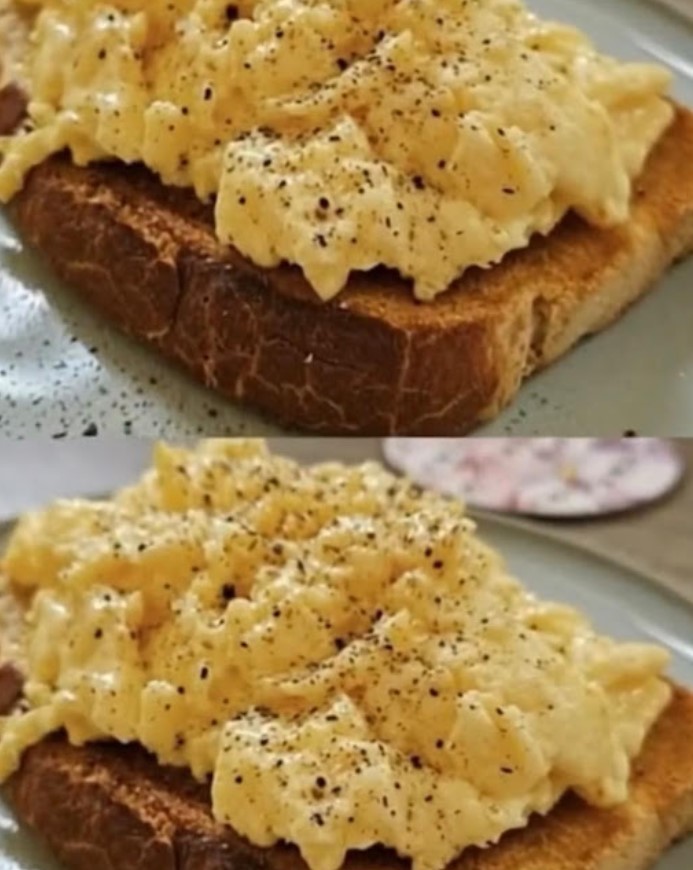
Perfect scrambled eggs are soft, creamy, and full of flavor. With a few simple steps and a little bit of attention, you can turn basic ingredients into a breakfast that feels restaurant‑quality. The key is gentle heat, careful stirring, and a technique that lets the eggs cook slowly and evenly.
Ingredients (Serves 1–2) :
- 3 large eggs
- 1 tablespoon butter
- 1–2 tablespoons milk, cream, or water (optional but recommended for extra creaminess)
- Salt and freshly ground black pepper, to taste
Instructions :
1. Crack and Whisk the Eggs
Crack the eggs into a bowl. Whisk them thoroughly until the yolks and whites are completely combined and slightly frothy. Adding a bit of milk, cream, or even water helps make the eggs fluffier and more tender as they cook. Whisking also introduces a little air, which improves texture and volume.
2. Heat the Pan Gently
Place a non‑stick skillet over low to medium‑low heat. Add the butter and let it melt slowly without browning. Butter adds richness and helps keep the eggs from sticking, but cooking over too high heat risks drying them out or burning the butter.
3. Add the Eggs
Pour the whisked eggs into the warm pan. Allow them to sit undisturbed for just a few seconds so the bottom can start to set slightly.
4. Stir Slowly and Constantly
Using a soft spatula, begin stirring the eggs gently. Scrape the bottom and edges of the pan, folding the partially set eggs into the center. Continue this motion slowly; the goal is to form soft, creamy curds rather than breaking the eggs into tiny pieces or making them dry and firm.
5. Cook to Your Preferred Texture
As the eggs begin to set, keep folding until they reach the texture you like. Some people enjoy them barely set and slightly runny, while others prefer fully soft but not dry. Remove the pan from heat just before they look fully cooked — residual heat will finish them without overcooking.
6. Season and Serve
Season with salt and freshly ground pepper to taste. Serve warm, immediately after cooking for the best texture and flavor.
Tips for Best Results
- Use a non‑stick pan for even, gentle cooking and easy cleanup.
- Low and slow is better than high heat — quick cooking commonly leads to tough, dry eggs.
- Avoid over‑stirring too aggressively; slow folding creates soft, creamy curds.
- Add dairy or water if you want creamier, fluffier scrambled eggs.
- Remove from heat a little early since eggs continue cooking with residual heat.
Serving Suggestions
Perfect scrambled eggs pair wonderfully with toast, fresh herbs, sautéed vegetables, or a side of fresh fruit. They also make a great filling for breakfast wraps or sandwiches when paired with ingredients like cheese, sautéed mushrooms, or smoked salmon.
Conclusion :
Scrambled eggs are one of the simplest dishes to prepare, yet mastering them elevates your breakfast game more than many other techniques. When made with attention and care, scrambled eggs transform into a dish with a silky, delicate texture and satisfying richness. The difference between ordinary and perfect scrambled eggs lies in thoughtful technique — gentle heat, continuous but gentle stirring, and patient cooking all contribute to a result that feels indulgent without a lot of effort.
Perfect scrambled eggs also highlight how small adjustments can make a big impact. Adding a touch of dairy or water, whisking thoroughly for incorporated air, and removing the eggs from heat slightly before they reach their final texture are all small decisions that shape the outcome. These steps help create eggs that are moist and soft rather than dry or rubbery, allowing you to enjoy the full natural flavor of the eggs themselves.
This recipe is accessible for cooks at any level and offers room for personalization. Whether you like them light and airy or rich and custardy, the basic principles remain the same. Once you understand how heat and timing affect scrambled eggs, you can adjust the method to suit your preferences and even experiment with flavor additions like fresh herbs, spices, or cheese.
In the end, perfect scrambled eggs are more than just breakfast — they are an example of how mastering a fundamental culinary skill can lead to better meals every day. With practice, you’ll make eggs that are consistently tender, flavorful, and tailored to your taste, turning a simple dish into a reliable favorite on your menu.