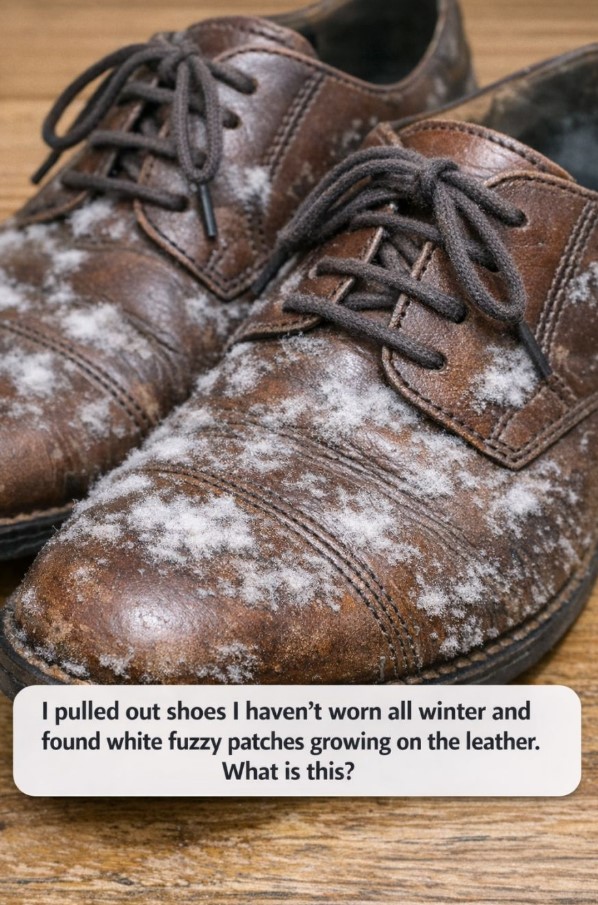
It’s always a surprise to rediscover shoes after months in storage — especially when they look different than you remember. Finding white, fuzzy patches on leather can be unsettling, but in most cases, it’s not a sign that your shoes are ruined. Instead, those fuzzy spots are usually a type of harmless growth that happens when leather has been stored in a cool, dark, or slightly damp place.
This article explains what those white fuzzy patches are, why they form, how to safely clean them off, and steps you can take to protect your leather goods in the future.
What Those White Fuzzy Patches Likely Are
The most common cause of white, fuzzy patches on leather that has been tucked away for months is surface mold or mildew. This happens when:
- The leather was stored in a cool or slightly humid area
- There wasn’t much airflow around the shoes
- Organic material on the surface (like dust or oils) provided food for spores
- Condensation or moisture from temperature changes occurred
Leather itself isn’t the mold — it’s just the surface material where mold spores can grow. Leather is organic and can absorb moisture, which makes it susceptible in the right conditions.
How to Tell If It’s Mold (and Not Something Else)
Here are a few things that help you identify what you’re seeing:
Texture
- White mold often looks fuzzy or powdery, like tiny threads, webbing, or powder on the surface.
- Dust, salt residue, or dried sweat lines can look white too, but they’re usually chalky rather than fuzzy.
Smell
- Mold can sometimes give off a musty or earthy odor.
- If there’s no smell at all and the patches wipe off cleanly, it may just be dust or residue.
Location
- Mold likes dark, enclosed spaces — shoe boxes, closets, basements.
- If the shoes were in a damp spot or stacked without airflow, molds are more likely to form.
Is This Harmful? Do I Need to Throw My Shoes Away?
The short answer: Not usually.
Surface mold on leather doesn’t mean your shoes are ruined, and most of the time it can be cleaned off safely.
However, if the leather looks severely discolored, cracked, or feels fuzzy even after cleaning, it might need more extensive care.
Mold that has deeply penetrated leather isn’t necessarily dangerous to touch, but it can trigger mild allergic reactions in sensitive people — especially if you breathe in mold spores during cleaning. So it’s important to clean carefully in a well-ventilated space.
How to Safely Clean Mold or Fuzzy Patches Off Leather Shoes
Follow these steps to gently and effectively remove mold or fuzz from leather:
1. Work in a Ventilated Area
Open a window or work outside if possible. This reduces exposure to any spores that might become airborne.
2. Brush Off the Surface
Use a soft dry cloth, a soft-bristled brush, or a clean toothbrush to gently brush away the visible white patches. Don’t scrub hard — you’re trying to remove surface spores without damaging the leather.
3. Wipe With a Mild Cleaner
Mix a small amount of gentle dish soap with water (a few drops in a cup of warm water). Dampen a clean cloth with this solution and wipe the affected areas. Avoid soaking the leather — just lightly wipe.
4. Dry Immediately
After cleaning, use a dry cloth to gently blot and absorb moisture. Let the shoes air dry in a cool, well-ventilated spot away from direct sunlight or heat.
5. Leather Conditioner
Once the shoes are fully dry, apply a leather conditioner. This helps restore oils and keep the leather supple after cleaning. Leather can dry out from moisture and mold cleaning, so conditioning is important.
Prevention: How to Store Leather Shoes So Mold Doesn’t Come Back
Keeping leather goods mold-free is all about airflow and dryness.
Store in a Dry Place
Avoid basements, garages, or closets that get damp. Choose a room with good airflow.
Use Shoe Trees or Stuffed Paper
Inserting shoe trees or crumpled paper helps leather maintain shape and discourages moisture buildup.
Avoid Plastic Bags or Sealed Containers
Leather needs to breathe. Storing shoes in plastic can trap moisture and encourage mold.
Add Silica Gel Packs
Small silica gel packets (the little drying packets you find in shoeboxes) help absorb moisture. Place a few near stored shoes.
Clean Before Storing
Make sure shoes are clean and dry before putting them away. Organic residue (dirt, sweat, oils) can feed mold spores.
When It Might Be More Than Mold
Rarely, what looks like mold could be:
- Salt or mineral residue — especially if shoes got wet before storage
- Leather blooming — a natural white film that sometimes forms when oils rise to the surface
- Wear-related discoloration — old scuffs that look fuzzy but are actually dried leather fibers
To test the difference: dab a small area with a damp cloth. If it wipes off and disappears, it was likely surface residual or mild bloom. If it’s truly mold, brushing and cleaning will remove the fuzzy texture.
Tips for Leather Care Beyond Mold Removal
Healthy leather care goes a long way in preventing problems:
- Clean shoes regularly
- Condition periodically
- Use protective sprays for water and stains
- Rotate footwear so no pair stays unused in dark storage too long
These habits keep leather in good shape and less likely to develop surface issues later.
Conclusion :
Finding white, fuzzy patches on leather shoes after months in storage can be surprising, but it’s usually a sign of surface mold or mildew, not a permanent problem. Mold thrives in slightly damp, poorly ventilated spaces where leather absorbs moisture and stays unused.
The good news is that you can generally clean it off safely with gentle brushing, a mild soap solution, and careful drying. Once cleaned, conditioning the leather helps restore its natural oils and keeps it supple. Preventing mold in the future comes down to storing shoes in dry, well-ventilated areas, avoiding plastic enclosures, and using moisture absorbers like silica gel.
With proper care and a consistent storage routine, your leather shoes can stay looking and feeling good for years — and surprise rediscoveries like this don’t have to be stressful.