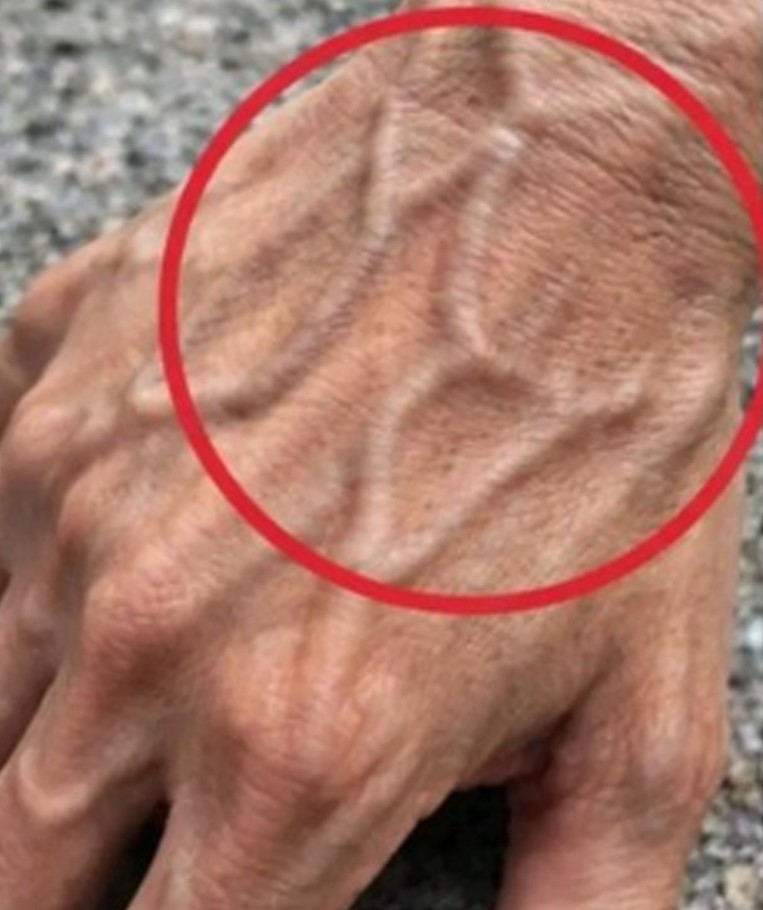
Many people notice visible veins on their hands, arms, legs, or even across their chest and immediately start worrying. It can be surprising to suddenly see blue or green lines showing through the skin, especially if they seem more noticeable than before. This often leads to questions like: Is this normal? Is it a sign of a health problem? Should I be worried?
The truth is, visible veins are very common and in most cases completely harmless. Vein visibility can change depending on many everyday factors such as body temperature, physical activity, skin tone, and even genetics. However, in some situations, visible veins may also point to underlying circulation issues that should not be ignored.
In this article, we will break down what visible veins really mean, why they appear, when they are normal, and when they might require medical attention.
What Are Visible Veins?
Veins are blood vessels responsible for carrying deoxygenated blood back to the heart. Under normal conditions, they are not very noticeable because they sit beneath the skin and are covered by layers of tissue and fat.
However, in some people, veins become more visible, appearing blue, green, or slightly purple under the skin. This happens because light interacts with the skin and blood in a way that makes veins appear more prominent.
Visible veins are not a disease on their own—they are usually just a physical appearance change in the body’s circulatory system.
Common Reasons Why Veins Become Visible
There are many harmless reasons why veins may suddenly become more noticeable. Most of them are related to lifestyle, environment, or natural body differences.
1. Exercise and Physical Activity
When you exercise, your heart pumps more blood, and your muscles expand. This pushes veins closer to the surface of the skin, making them easier to see. This is very common after weightlifting or intense workouts.
2. Hot Weather or Heat Exposure
Heat causes blood vessels to expand so the body can cool itself down. When veins widen, they become more visible under the skin.
3. Low Body Fat
People with lower body fat tend to have more visible veins because there is less fat covering the blood vessels. This is especially noticeable in athletes or naturally thin individuals.
4. Aging
As people get older, the skin becomes thinner and loses collagen. Fat under the skin also decreases, making veins easier to see even without any health problems.
5. Genetics
Some people naturally have more visible veins due to inherited traits. If family members have visible veins, it is very likely you will too.
6. Skin Tone and Skin Thickness
People with lighter or thinner skin often have more visible veins. In darker skin tones, veins may still be present but are less noticeable visually.
7. Hormonal Changes
Hormones can affect blood flow and vein visibility. This can happen during puberty, pregnancy, menstruation, or hormonal medication use.
8. Standing or Sitting for Long Periods
When you remain in one position for too long, blood can pool in the veins, especially in the legs. This increases pressure and makes veins more noticeable.
When Visible Veins Are Normal
In most cases, visible veins are completely normal and do not indicate any health problem. They often appear temporarily and can change throughout the day depending on activity, temperature, and body position.
For example:
- Veins may be more visible after exercise
- They may disappear when you rest or cool down
- They may appear more noticeable in summer than winter
These changes are part of normal body function.
When Visible Veins Might Be a Concern
Although usually harmless, there are cases where visible veins may be linked to medical conditions. It is important to pay attention if they come with other symptoms.
Possible concerns include:
1. Varicose Veins
These are enlarged, twisted veins that often appear in the legs. They may cause discomfort, heaviness, or swelling.
2. Chronic Venous Insufficiency
This condition happens when vein valves do not work properly, causing blood to pool in the legs.
3. Blood Clots
In rare cases, sudden vein changes with pain, swelling, or warmth could indicate a blood clot, which requires immediate medical attention.
Warning Signs to Watch For
You should seek medical advice if you notice:
- Painful or swollen veins
- Skin discoloration near veins
- Warmth or redness in one area
- Sudden changes in one leg or arm
- Veins that remain enlarged for a long time
Are Visible Veins a Sign of Fitness?
Many people associate visible veins with fitness or strength, especially in athletes. While it is true that low body fat and muscle definition can make veins more visible, it does not always mean someone is healthier or more fit.
Visible veins can appear in:
- Very athletic people
- Naturally thin individuals
- People with genetics that make veins more visible
- Even individuals who are not physically active
So, vein visibility alone is not a reliable measure of fitness or health.
Myths About Visible Veins
There are many misconceptions about visible veins:
Myth 1: Visible veins always mean illness
❌ False. Most cases are completely harmless.
Myth 2: Only athletes have visible veins
❌ False. Genetics and skin type play a big role.
Myth 3: Visible veins mean poor circulation
❌ Not always. Many people have visible veins with perfectly healthy circulation.
How to Reduce Visible Veins (If Cosmetic Concern)
If visible veins bother you cosmetically, there are a few ways to reduce their appearance:
- Avoid excessive heat exposure
- Maintain healthy hydration
- Keep a balanced body weight
- Wear compression clothing if recommended
- Avoid prolonged standing or sitting
In medical cases, treatments like laser therapy or sclerotherapy may be used under a doctor’s care.
Conclusion :
Visible veins are a normal and common part of the human body. In most cases, they are influenced by harmless factors such as exercise, temperature, genetics, and skin structure. While they can sometimes become more noticeable due to lifestyle or natural aging, they are rarely a sign of a serious problem.
However, it is important to stay aware of accompanying symptoms like pain, swelling, or sudden changes, as these may require medical attention.
Understanding your body helps reduce unnecessary worry. In most situations, visible veins are simply a normal variation of how your circulatory system works—not something to fear.