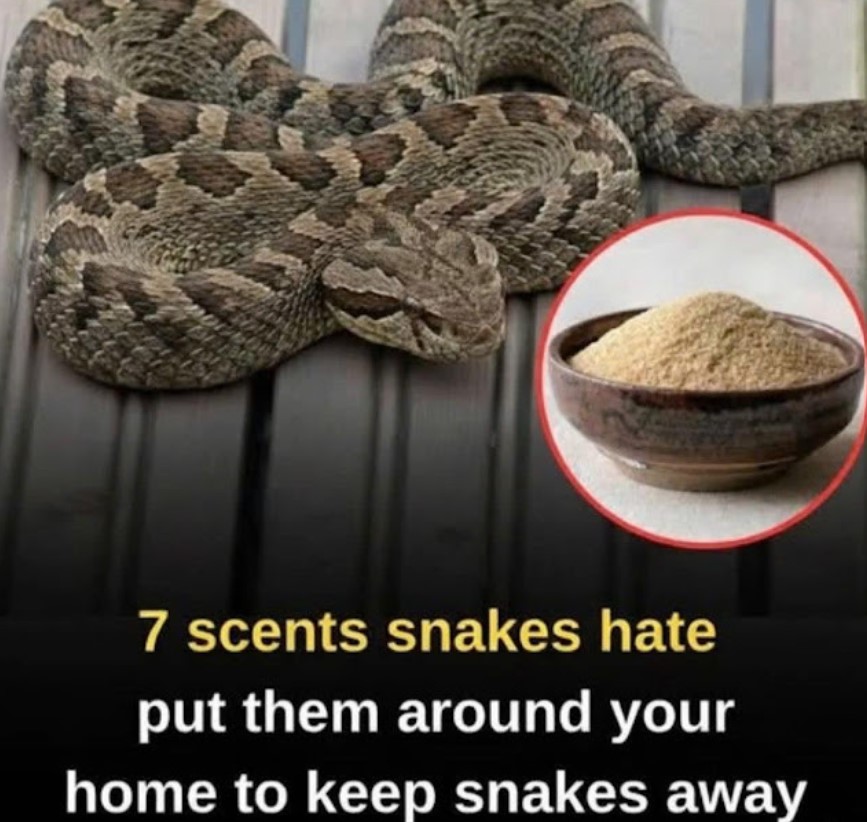
Snakes can be fascinating creatures, but most people would rather not find them in their yard, garden, or home. While there’s no guaranteed way to completely prevent snakes from entering an area, certain natural methods may help reduce the chances—and one of the most talked-about approaches involves smell.
Snakes rely heavily on their sense of smell to navigate, hunt, and detect danger. Because of this, strong and irritating odors can sometimes disrupt their senses and make an area less appealing to them.
Although these methods are not foolproof, understanding which smells snakes tend to avoid can be a helpful part of a broader prevention strategy.
Let’s break down some of the most commonly mentioned scents that snakes dislike and how they may help.
1. Garlic and Onions
Garlic and onions are among the most popular natural snake deterrents.
- They contain strong sulfur compounds
- These odors can overwhelm a snake’s sensory system
- The smell may make the environment uncomfortable for them
Some people use crushed garlic or onion sprays around entry points or garden areas.
2. Cinnamon
Cinnamon—especially in oil form—has a powerful scent that snakes tend to avoid.
- It interferes with their ability to navigate
- The strong aroma can act as a natural deterrent
In fact, cinnamon oil has even been studied as a potential snake repellent due to its effectiveness.
3. Clove Oil
Clove oil works similarly to cinnamon and is often used together with it.
- Strong, spicy scent
- Can irritate snakes’ sensory organs
- Often used in natural repellent sprays
This combination is commonly recommended for outdoor use.
4. White Vinegar
Vinegar has a sharp, acidic smell that many animals—including snakes—find unpleasant.
- Especially useful around damp areas or water sources
- Can be applied along edges or entry points
It may help deter snakes from areas where they might otherwise seek moisture.
5. Ammonia
Ammonia is one of the strongest-smelling substances often used as a deterrent.
- Pungent odor that snakes tend to avoid
- Can be placed on cloths in problem areas
However, it must be used carefully, as it can be irritating to humans and pets.
6. Peppermint and Mint Oils
Mint-based scents are also believed to repel snakes.
- Strong, refreshing smell
- Can mask other scents snakes rely on
Peppermint oil is often used as a natural and safer alternative to harsher chemicals.
7. Sulfur
Sulfur has a very strong “rotten egg” smell that many reptiles find irritating.
- Often used as a traditional snake repellent
- Applied as a powder barrier around areas
It should be used cautiously, as it can affect soil and plants.
Why Smells Affect Snakes
Snakes don’t “smell” the way humans do. Instead, they use:
- Their tongue to collect scent particles
- A specialized organ (Jacobson’s organ) to process them
Strong odors can interfere with this system, making it harder for them to detect food or navigate, which is why they may avoid certain smells.
Do These Methods Really Work?
While these smells can help, it’s important to be realistic:
- Results vary depending on the snake species
- Smells fade over time and need reapplication
- They are not guaranteed to keep snakes away
In fact, experts note that smell-based repellents should be used as a supporting method, not the only solution.
Better Ways to Keep Snakes Away
For more effective prevention, combine scents with these steps:
- Keep your yard clean and free of debris
- Remove food sources like rodents
- Seal gaps and entry points
- Trim grass and bushes regularly
These practical measures are often more reliable than smell alone.
Conclusion :
Using smells to deter snakes can be a helpful and natural approach, especially for those who prefer to avoid harsh chemicals. Scents like garlic, cinnamon, vinegar, and peppermint may create an environment that snakes find unpleasant, encouraging them to stay away from certain areas.
However, it’s important to understand the limitations of these methods. Smell-based deterrents are not guaranteed solutions, and their effectiveness can vary depending on many factors, including the type of snake and environmental conditions. They work best when used as part of a broader strategy rather than as a standalone fix.
What truly makes a difference is creating an environment that is less attractive to snakes overall. Reducing hiding spots, eliminating food sources, and maintaining a clean outdoor space are far more reliable ways to keep them away.
At the same time, these natural scents can still play a useful role. They are easy to apply, generally safe when used properly, and can provide an extra layer of protection when combined with good maintenance practices.
In the end, the goal is not just to repel snakes temporarily, but to make your space less inviting to them in the first place. By combining awareness, prevention, and a few natural methods, you can significantly reduce the chances of unwanted encounters and feel more at ease in your surroundings.