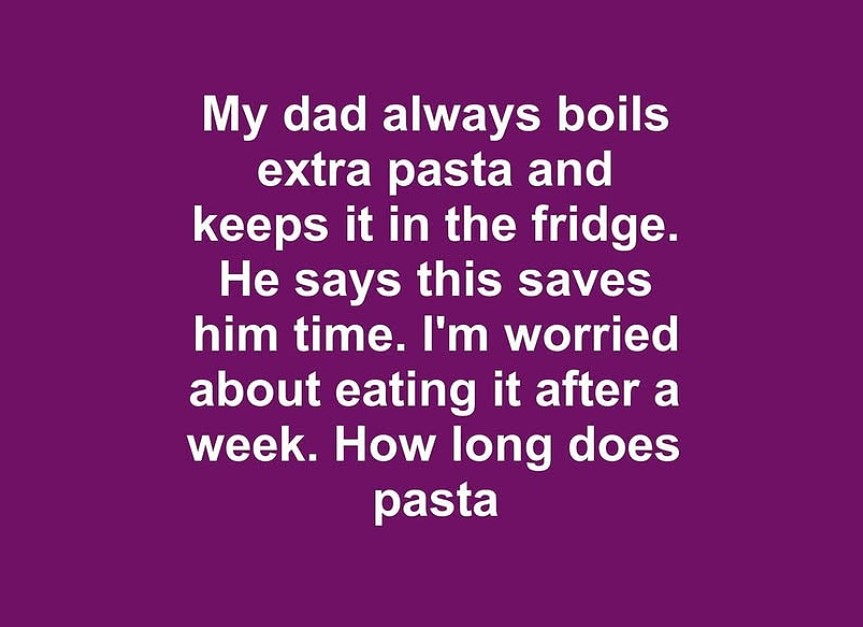
In the fast-paced rhythm of everyday life, finding ways to save time in the kitchen can make a big difference. One popular strategy is pre-cooking meals or meal components ahead of time. For example, boiling extra pasta and storing it in the fridge is a trick many people use to speed up weeknight dinners. While this method is convenient, it raises important questions about food safety and quality. How long can cooked pasta really be stored in the fridge without risking spoilage or foodborne illness?
This article explores the shelf life of cooked pasta, the science behind its storage, and practical tips for keeping it safe, tasty, and ready to use.
Why Pre-Cooked Pasta Is So Appealing
Pre-cooked pasta offers undeniable convenience. Having a ready-to-use batch in the fridge cuts down meal prep time significantly. Instead of waiting 10–15 minutes for water to boil and pasta to cook from scratch, you can simply reheat pre-cooked noodles and serve a meal in minutes.
This method is particularly helpful for busy families, students, or anyone juggling work and other responsibilities. Additionally, pre-cooked pasta is versatile—it can be added to salads, casseroles, stir-fries, and soups, or used in creative ways to repurpose leftovers. By having it on hand, you reduce stress in the kitchen and minimize food waste.
How Long Can Cooked Pasta Be Stored in the Fridge?
Generally, cooked pasta lasts 3 to 5 days in the refrigerator. Proper storage in airtight containers or resealable bags helps prevent exposure to air and bacteria, extending its freshness.
Keep in mind that the type of pasta and any added ingredients influence how long it will stay safe. Pasta mixed with dairy-based sauces, for instance, tends to spoil faster than plain pasta. Proteins like chicken, beef, or seafood also shorten shelf life. Always check for visual or olfactory signs of spoilage before consuming.
The Science Behind Pasta Storage
The main factors affecting pasta shelf life are temperature, moisture, and bacterial growth. Once cooked, pasta absorbs water, which makes it an ideal environment for bacteria if left at room temperature. Refrigeration slows bacterial growth but does not completely prevent it.
Another consideration is starch retrogradation. As pasta cools, the starch molecules realign, which can make noodles firmer or slightly dry over time. This is why reheated pasta may not always have the same texture as when freshly cooked.
Signs Cooked Pasta Has Gone Bad
Knowing when pasta is no longer safe to eat is critical. Look out for the following:
- Unpleasant odor: A sour or off smell indicates bacterial growth.
- Slimy or sticky texture: This suggests spoilage and is a cue to discard the pasta.
- Visible mold: Even a small spot of mold means the entire batch should be thrown away, as mold spreads easily.
Best Practices for Storing Cooked Pasta
To keep pasta fresh and safe:
- Use airtight containers or resealable bags to limit exposure to air and moisture.
- Label with the date the pasta was cooked for easy tracking.
- Cool to room temperature before refrigerating. Putting hot pasta directly into the fridge can raise the internal temperature, increasing the risk of bacterial growth.
- Store in the coldest part of the fridge, typically the back or bottom shelf.
Advantages and Drawbacks of Pre-Cooking Pasta
Advantages:
- Saves time during meal prep.
- Reduces kitchen stress on busy days.
- Encourages creativity in using pasta in a variety of dishes.
Drawbacks:
- Pre-cooked pasta may have a slightly different texture, sometimes becoming mushy if overcooked during reheating.
- Risk of spoilage if stored improperly.
- Requires careful attention to refrigeration times to avoid foodborne illness.
Health Risks of Eating Old Pasta
Consuming pasta stored too long can lead to food poisoning. Bacillus cereus, a common bacterium, thrives in improperly stored pasta and can cause nausea, vomiting, and diarrhea. Individuals with weakened immune systems are especially vulnerable. Following storage guidelines and discarding pasta after 3–5 days is the safest approach.
Alternatives and Tips for Longer Storage
If you want pasta to last longer:
- Freeze it: Cooked pasta can be frozen for up to 2 months. Cool it completely before transferring to a freezer-safe container or bag. Remove as much air as possible.
- Cook smaller batches: Prepare only what you plan to eat within a few days to minimize storage risks.
Expert Advice on Storing and Reheating Pasta
Food safety experts recommend:
- Consuming refrigerated pasta within 3–5 days.
- Using airtight containers and maintaining fridge temperatures below 40°F (4°C).
- Slightly undercooking pasta before storage to help maintain texture when reheated.
- Adding a little olive oil to prevent noodles from sticking together.
Reheating tips:
- Heat in a skillet with a splash of sauce or water to retain moisture.
- Microwaving works too—cover to keep the pasta from drying out and stir between intervals.
- For baked pasta dishes, reheating in the oven can help restore original texture and flavor.
Conclusion:
Pre-cooking pasta is a smart time-saving strategy, especially for busy households, but it requires careful storage and handling. By following proper refrigeration techniques, recognizing signs of spoilage, and reheating carefully, you can enjoy the convenience without compromising food safety.
Remember, while pre-cooked pasta can be a lifesaver on hectic days, nothing beats fresh-cooked noodles in texture and taste. Use pre-cooked pasta wisely, enjoy its convenience, and always prioritize safety—your health and your family’s health depend on it.