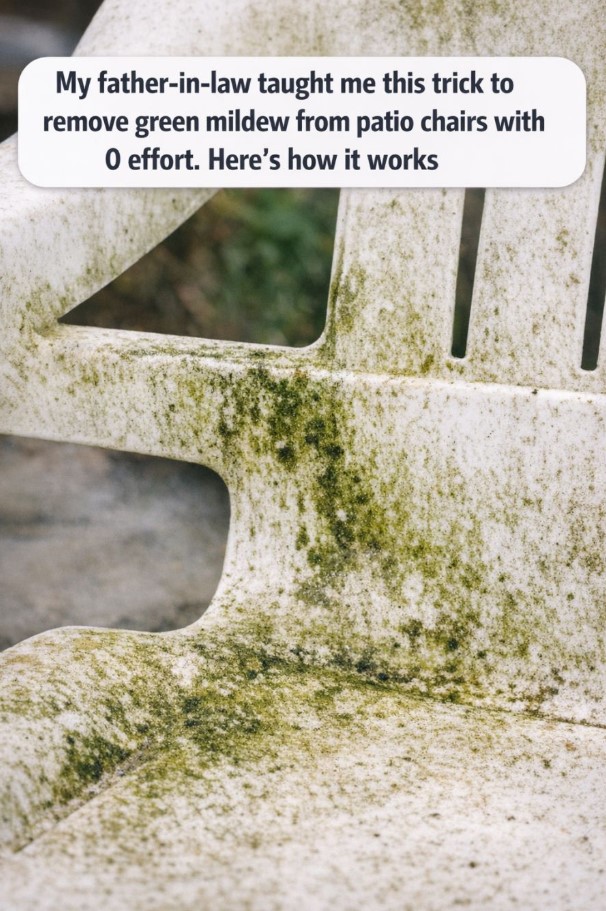
Outdoor furniture is meant to be enjoyed—but over time, it can quickly lose its charm. If you’ve ever walked out to your patio and noticed a green, slimy layer covering your chairs, you know how frustrating it can be. That green buildup, often caused by moisture and shade, can make your outdoor space look neglected and uninviting.
The good news is that removing green mildew doesn’t have to be difficult or time-consuming. In fact, with the right simple method, you can restore your patio chairs to a clean, fresh condition with very little effort.
This guide will walk you through an easy, effective way to remove mildew, explain why it forms, and share tips to prevent it from coming back.
What Causes Green Mildew on Patio Furniture?
Before cleaning, it helps to understand why mildew appears in the first place.
Green mildew (often algae or mold) thrives in conditions like:
- Damp or humid environments
- Shaded areas with little sunlight
- Surfaces that stay wet for long periods
- Outdoor exposure to rain, dew, and dirt
Patio chairs, especially plastic or wood ones, are perfect surfaces for this growth because they are constantly exposed to the elements.
Why You Should Clean It Quickly
While mildew may seem like just a cosmetic issue, it can cause more problems if left untreated:
- It can stain surfaces permanently
- It may create slippery or unsafe conditions
- It can weaken materials over time
- It makes your outdoor space less enjoyable
Regular cleaning keeps your furniture looking good and lasting longer.
The Simple, Low-Effort Cleaning Method
You don’t need expensive products or complicated tools to remove mildew. A simple cleaning solution and a few easy steps can do the job effectively.
What You’ll Need
- Warm water
- White vinegar or mild cleaning solution
- Dish soap (optional)
- A soft brush or sponge
- A hose or bucket of clean water
These basic items are usually already available at home.
Step 1: Prepare the Cleaning Solution
Mix warm water with white vinegar or a small amount of dish soap.
Vinegar is often used because it helps break down mildew and clean surfaces naturally.
Step 2: Apply the Solution
Use a sponge or cloth to apply the solution to the affected areas.
Make sure to cover all visible mildew spots. Let it sit for a few minutes to loosen the buildup.
Step 3: Lightly Scrub the Surface
Gently scrub the chairs using a soft brush or sponge.
You don’t need to scrub aggressively—the solution should do most of the work.
Focus on areas where mildew is more visible.
Step 4: Rinse Thoroughly
Use a hose or clean water to rinse off the cleaning solution.
Make sure no residue is left behind, as this can attract dirt later.
Step 5: Let It Dry Completely
Allow the chairs to air dry in the sun if possible.
Sunlight helps kill remaining mildew spores and prevents regrowth.
Why This Method Works
This simple approach works because:
- Vinegar helps break down mildew and bacteria
- Warm water loosens dirt and buildup
- Light scrubbing removes residue without damaging surfaces
- Sunlight naturally helps sanitize and dry the material
Together, these steps provide an effective and low-effort solution.
Extra Tips for Best Results
To make the cleaning process even easier:
- Clean your chairs regularly before buildup becomes heavy
- Use a hose first to remove loose dirt
- Avoid harsh chemicals that may damage surfaces
- Clean on a dry, sunny day for faster results
Small habits can save you time in the long run.
How to Prevent Mildew from Coming Back
Once your chairs are clean, prevention is key.
1. Keep Furniture Dry
Moisture is the main cause of mildew.
- Wipe chairs dry after rain
- Store them in a covered area if possible
2. Increase Sun Exposure
Mildew thrives in shade.
Placing your chairs in a sunnier spot can reduce growth.
3. Use Covers Wisely
Furniture covers can protect against rain, but they should allow airflow.
Avoid trapping moisture underneath covers.
4. Clean Regularly
Even a quick rinse or wipe-down every few weeks can prevent buildup.
Consistency is more effective than deep cleaning later.
Common Mistakes to Avoid
To avoid damaging your furniture:
- Don’t use overly harsh scrubbing tools
- Avoid strong chemicals that may discolor surfaces
- Don’t leave cleaning residue behind
- Avoid storing furniture while still wet
Gentle, consistent care is the best approach.
Works on Different Types of Patio Chairs
This method is safe and effective for many materials, including:
- Plastic chairs
- Metal frames
- Wood (with gentle scrubbing)
- Outdoor fabric (with care)
Always test a small area first if you’re unsure.
Why Simple Methods Are Often the Best
It’s easy to assume that tough problems require strong chemicals or complicated solutions. But in many cases, simple methods work just as well—if not better.
Using basic household items:
- Saves money
- Reduces exposure to harsh chemicals
- Makes cleaning more accessible
Sometimes, less really is more.
Conclusion :
Green mildew on patio chairs may look stubborn, but it doesn’t have to be a major cleaning project. With a simple solution, minimal effort, and a few easy steps, you can restore your outdoor furniture quickly and effectively.
The key is consistency—cleaning regularly and preventing moisture buildup will keep your chairs looking fresh all season long.
By taking a little time now, you can enjoy a clean, inviting outdoor space without the stress of heavy cleaning later. And once you see how easy it is, you’ll never let mildew take over your patio again.