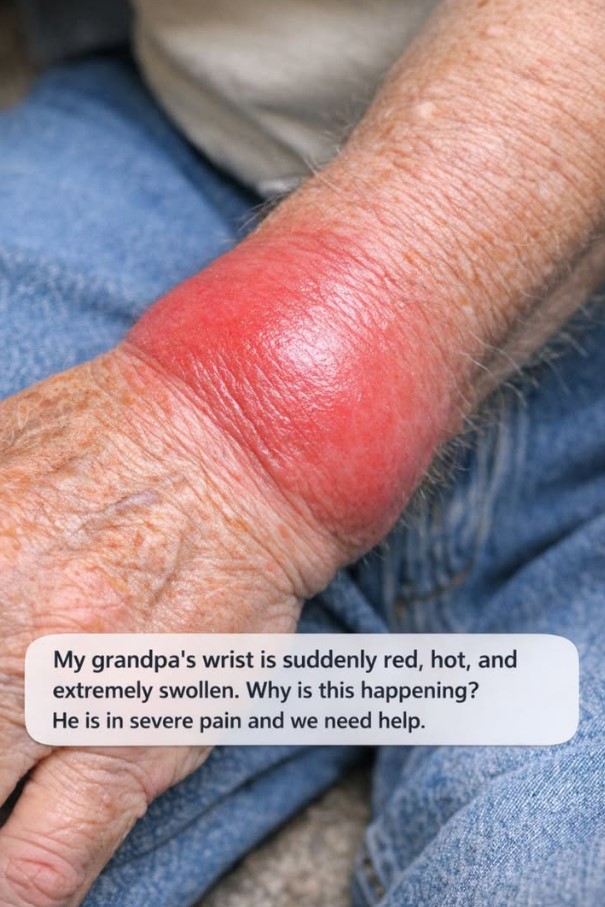
A sudden red, hot, and swollen wrist can be alarming, especially when accompanied by severe pain. For older adults, these symptoms can appear quickly and may indicate an underlying health issue that requires prompt attention. Understanding the potential causes, what you can do safely at home, and when to seek urgent care is crucial to preventing complications.
A wrist that develops these symptoms overnight or within a few hours should never be ignored. While some causes are minor and temporary, others can be serious and require immediate medical attention. This guide provides a clear overview of the possible reasons for a swollen, painful wrist, safe steps to manage discomfort, and guidelines for seeking professional evaluation.
Common Causes of Sudden Wrist Swelling and Pain
Several conditions can cause a wrist to become red, hot, and swollen, sometimes very rapidly. While only a healthcare professional can determine the exact cause, the most common possibilities include:
1. Infection (Septic Arthritis or Cellulitis)
A bacterial infection in the joint or surrounding tissues can cause rapid swelling, redness, warmth, and severe pain. Older adults or individuals with weakened immune systems are particularly susceptible. Symptoms may worsen quickly and can include fever, chills, or general fatigue.
2. Gout
Gout is caused by a buildup of uric acid crystals in a joint, leading to sudden, intense pain, swelling, and redness. Although it is more common in the big toe, it can occur in the wrist. Attacks are often sudden and may be accompanied by a feeling of heat in the affected joint.
3. Trauma or Injury
Even minor injuries, such as a small fall, bump, or repetitive strain, can cause inflammation in the wrist. Swelling, redness, and warmth may appear as part of the body’s natural healing process. Bruising or difficulty moving the wrist may accompany these symptoms.
4. Inflammatory Conditions
Chronic conditions such as rheumatoid arthritis or other autoimmune disorders can flare suddenly, causing pain, warmth, and swelling in the joints, including the wrist. These flares may occur without obvious trauma or injury.
5. Other Causes
Less common causes include blood clots in the veins of the arm, severe allergic reactions, or rare metabolic conditions.
Safe Home Care Measures
While urgent evaluation is essential, certain steps can help reduce discomfort and prevent further irritation while waiting for professional care:
1. Rest the Wrist
Avoid activities that stress the joint. Keeping the wrist elevated can help reduce swelling. Use a soft splint or bandage if available to limit movement without restricting blood flow.
2. Apply Cold Compresses
A cold pack or wrapped ice can reduce inflammation and numb pain. Apply for 10–15 minutes at a time, several times a day. Always wrap ice in a cloth to prevent skin damage.
3. Manage Pain Safely
Over-the-counter pain medications such as acetaminophen or certain non-steroidal anti-inflammatory drugs (NSAIDs) may be used if medically appropriate. Always follow dosage instructions and consult a healthcare professional, especially for older adults or those with pre-existing conditions.
4. Monitor for Warning Signs
Seek immediate medical attention if any of the following occur:
- Increasing redness, warmth, or swelling
- Fever, chills, or feeling generally unwell
- Loss of function or inability to move the wrist
- Rapidly worsening pain
These could indicate infection or another urgent condition.
5. Avoid Heat or Massage on the Affected Area
Until a healthcare professional evaluates the wrist, avoid using heat packs or massaging the joint, as this can worsen swelling if an infection or acute inflammation is present.
When to Seek Medical Help
Because a red, hot, swollen, and painful wrist can be caused by serious conditions, professional evaluation is crucial. A healthcare provider may perform:
- Physical examination and history of recent injuries or health conditions
- Blood tests to check for infection, inflammation, or uric acid levels
- Imaging (X-ray, ultrasound, or MRI) to detect injury or joint issues
- Joint aspiration or fluid analysis if infection or gout is suspected
Prompt care can prevent complications, reduce pain, and ensure proper treatment.
Additional Considerations
- Hydration and Nutrition: Drinking water and eating a balanced diet can support overall healing and reduce flare-ups of gout or inflammation.
- Avoid Self-Diagnosis: While it’s natural to search for answers online, wrist swelling and severe pain require professional evaluation to avoid serious consequences.
- Care for Older Adults: Seniors may experience more severe reactions to joint inflammation or infection. Quick response is key to recovery.
Conclusion :
A sudden red, hot, and swollen wrist accompanied by severe pain is a serious symptom that should never be ignored. While some causes may be minor, such as mild trauma or early inflammatory flares, others — including infections, gout attacks, or acute joint issues — require prompt professional attention.
Safe home measures, like resting the wrist, applying cold compresses, and taking pain relief as appropriate, can help manage discomfort temporarily. However, urgent evaluation by a healthcare professional is essential to identify the cause and prevent complications.
Understanding the potential causes and acting quickly ensures that your loved one receives timely care, reducing the risk of long-term damage and promoting faster recovery.