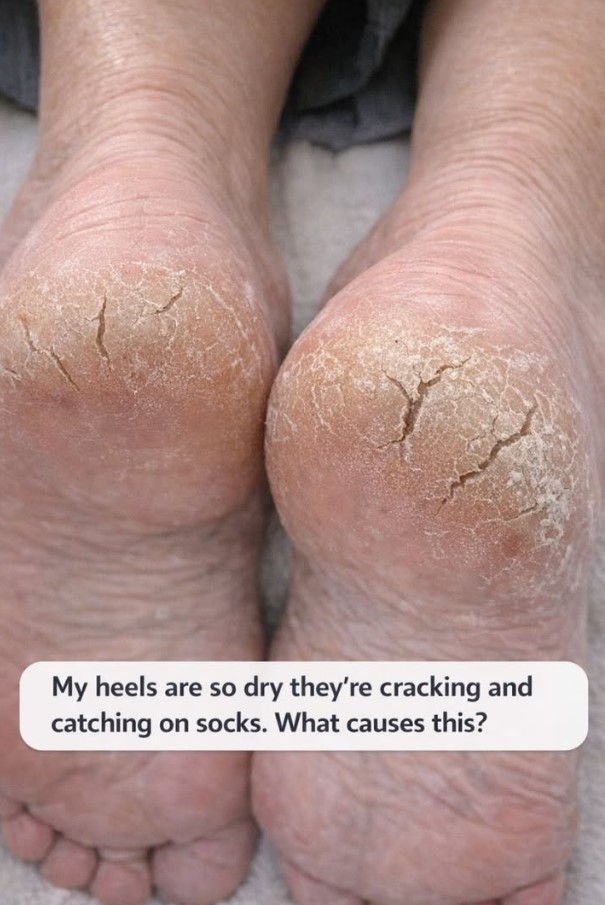
Dry, cracked heels are more than just an annoyance. When the skin on your heels becomes rough, thick, and split, it can snag on socks, feel uncomfortable when walking, and in more severe cases, even bleed. This condition, often referred to as heel fissures, is extremely common and can affect people of all ages. While it may start as simple dryness, untreated cracked heels can lead to pain, inflammation, and infection.
Understanding why this happens is the first step toward fixing it. Cracked heels don’t develop overnight. They’re usually the result of ongoing stress on the skin combined with moisture loss, lifestyle habits, environmental factors, or underlying health conditions. Below, we break down what’s really happening, why heels are especially vulnerable, and how to protect them moving forward.
What’s Really Happening When Heels Crack
When heels crack, the skin has lost too much moisture and elasticity. In response to pressure and friction from walking and standing, the body forms thickened skin, known as a callus, as a protective measure. Over time, this callused skin becomes stiff and inflexible.
Healthy skin stretches slightly with movement, but dry, thick skin cannot. As weight presses down on the heel, the rigid skin spreads outward and eventually splits, creating cracks that range from shallow lines to deep fissures. Without proper care, these cracks can worsen and become painful or infected.
Why the Heels Are A Prime Target for Dryness
Heels are uniquely vulnerable for several reasons. They support the full weight of the body and absorb constant impact throughout the day. Unlike other areas of skin, the heels have fewer oil glands, meaning they naturally retain less moisture.
Because of this combination of pressure and low oil production, the skin on the heels dries out faster and becomes thicker more easily. Once that dryness sets in, cracking is much more likely to occur.
Everyday Habits That Make Cracked Heels Worse
Certain daily behaviors quietly contribute to heel fissures, including:
- Standing or walking for long periods, especially on hard surfaces
- Walking barefoot or in thin-soled shoes
- Skipping daily moisturizing
- Hot showers that strip natural oils from the skin
Without regular hydration and protection, the skin on your heels gradually loses its ability to stay soft and flexible.
Footwear Choices That Damage Heel Skin
Shoes play a major role in heel health. Open-backed sandals and flip-flops allow the heel to expand outward with every step, increasing stress on already dry skin. Shoes that are too tight or too loose can also increase friction, leading to thick calluses.
Non-breathable materials can worsen the problem by trapping sweat and then drying the skin once shoes come off. Supportive shoes with cushioning and heel stability help distribute pressure more evenly and reduce cracking.
How Skin Conditions Can Contribute
Chronic skin conditions such as eczema and psoriasis often affect the feet. These conditions interfere with the skin’s natural barrier, leading to increased moisture loss, inflammation, and thickened patches that are prone to splitting.
When these conditions are present, cracked heels may be more severe and slower to heal without proper skin care or medical treatment.
Medical Conditions Linked to Heel Cracking
Certain health issues can increase the risk of heel fissures, including:
- Diabetes, which can affect circulation and nerve function
- Thyroid disorders, which may reduce skin oil production
- Poor circulation, limiting nutrients and oxygen to the skin
People with these conditions should pay close attention to foot care, as cracked skin may heal more slowly and be more vulnerable to complications.
Environmental Factors That Dry Out Heels
Weather and indoor environments have a significant impact on skin moisture. Cold temperatures and low humidity draw moisture out of the skin, while indoor heating further dries the air.
Seasonal changes often explain why cracked heels worsen in winter. Using a humidifier and adjusting skincare routines during colder months can help maintain healthier skin.
Aging and Hormonal Changes
As the body ages, oil production and collagen levels naturally decline. This makes skin thinner, drier, and less elastic. Hormonal changes, such as those that occur during menopause, can further reduce the skin’s ability to retain moisture.
Consistent foot care becomes increasingly important with age to prevent cracking and discomfort.
When Cracked Heels Point to Infections or Nutrient Gaps
Sometimes cracked heels signal an underlying issue. Fungal infections can cause peeling, scaling, and fissures around the heel area. Nutrient deficiencies, including low levels of vitamins A, C, E, B-complex vitamins, or essential fatty acids, may also contribute to chronically dry skin.
A balanced diet and proper treatment of infections are important for long-term skin health.
What Skin Experts Recommend for Healing and Prevention
Dermatology professionals typically recommend a multi-step approach:
- Gently exfoliating thick skin to remove dead buildup
- Applying rich moisturizers containing ingredients like urea or lactic acid
- Sealing moisture in with socks overnight
- Wearing supportive, closed-back footwear
- Keeping feet clean, dry, and protected
Consistency is key. Daily care prevents cracks from returning and helps restore softness over time.
Conclusion :
Cracked heels are common, but they’re not something you have to live with. They develop when pressure, dryness, and lifestyle factors work against the skin’s natural defenses. While the problem often starts small, it can become painful if ignored.
By understanding the causes, adjusting daily habits, choosing supportive footwear, and committing to regular foot care, most people can significantly improve the health and comfort of their heels. With the right approach, dry, cracked skin can heal—and stay smooth—step by step.