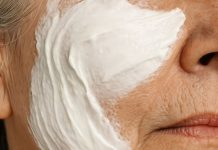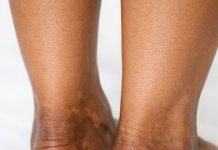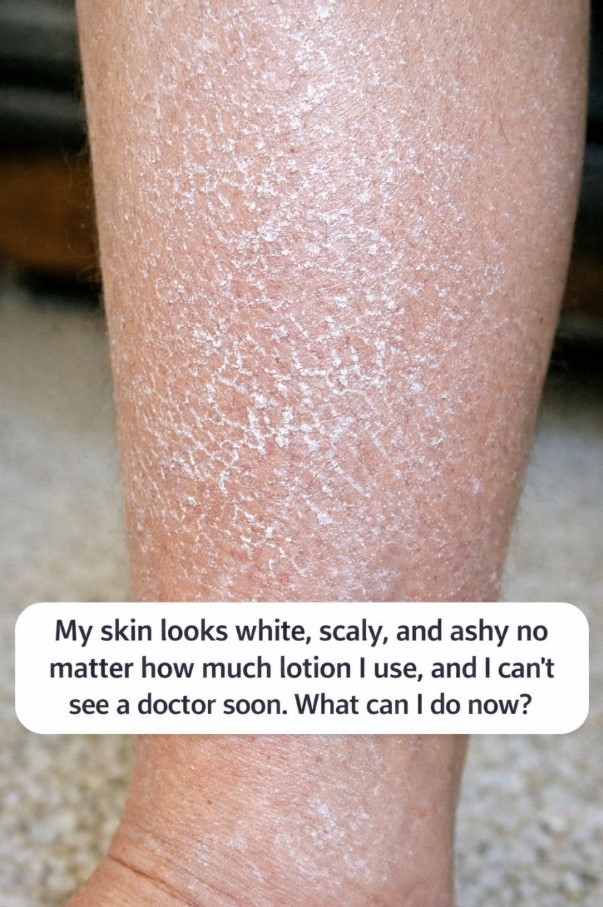
It can be frustrating when your skin looks white, scaly, or ashy and doesn’t improve no matter how much lotion you apply. Especially if you can’t get to a doctor right away, it’s normal to wonder what’s going on and what you can safely try at home.
This guide explains:
- Why skin can look white and ashy
- Common causes of dryness and scaling
- Safe things you can do now
- When to get medical help sooner
- Tips to prevent dryness and irritation
Everything here is meant to help you understand your skin and care for it safely until you can see a professional.
Why Skin Can Look White, Scaly, or Ashy
When skin looks white and flaky, it often means the outermost layer isn’t shedding normally and is accumulating dry skin. A few of the most common reasons include:
1. Dry Skin (Xerosis)
Dry skin is extremely common, especially in colder weather or in dry indoor environments (like heating). Skin loses moisture faster than it can replace it, causing:
- White, flaky patches
- Ashy or dull appearance
- Rough texture
- Tightness or mild itchiness
This isn’t usually dangerous, but it can be persistent if the skin barrier is weak.
2. Eczema (Atopic Dermatitis)
Eczema is a condition that causes patches of dry, itchy, inflamed skin. It often makes skin look scaly or chalky and can be triggered by:
- Dry climates
- Stress
- Harsh soaps
- Fragrance‑based products
Even if you’ve never had eczema before, it can show up if your skin barrier is under stress.
3. Keratosis Pilaris
This is a harmless condition where small bumps or rough patches (often on arms or thighs) form because hair follicles trap keratin (a skin protein). It can appear dry and sandpaper‑like.
4. Seborrheic Dermatitis
Although typically affecting oily areas like the scalp or face, this condition can sometimes make skin look flaky and white in patches.
5. Environmental Factors
Air that’s too dry (especially in winter), long hot showers, and washing with strong soaps can all strip your skin of natural oils, leading to a white, dry, ashy look.
What Happens in Dry, Scaly Skin
To understand what you’re seeing, it helps to know what’s going on:
Healthy skin constantly sheds old cells while renewing new ones. When the outer layer of skin gets too dry:
- Old skin cells don’t shed properly
- They build up on the surface
- Skin looks dull, white, or chalky
- It feels rough or flaky
This isn’t a sign of dirt or poor hygiene — it’s moisture imbalance and barrier dysfunction. The key is repairing the barrier and restoring hydration.
Safe Things You Can Do at Home Now
Here are steps you can try while waiting for professional care:
1. Use Gentle Cleansers
Skip harsh soaps and body washes. Look for mild, fragrance‑free cleansers that are labeled for “dry” or “sensitive” skin.
Harsh cleansers strip natural oils, making dryness worse.
2. Avoid Hot Showers
Hot water pulls moisture right out of the skin. Warm water is much gentler.
Take shorter showers (5–10 minutes) and avoid steaming.
3. Apply Moisturizer the Right Way
Instead of slathering on lotion at random times, try this:
After bathing, while skin is slightly damp:
- Pat your skin lightly with a towel (don’t rub).
- Apply a rich, fragrance‑free moisturizer within a few minutes.
- Seal with a thicker cream or ointment if very dry.
This helps trap moisture inside the skin.
4. Choose the Right Moisturizers
Good options include:
- Creams (thicker than lotion)
- Ointments (very protective barrier)
- Products with ceramides, glycerin, or hyaluronic acid
- Petroleum jelly or similar occlusive layer for very dry areas
Avoid products with fragrance, alcohol, or strong scents — they can irritate dry skin.
5. Use a Humidifier
Dry indoor air, especially in winter, can make skin worse. A humidifier adds moisture back into your living space.
Aim for 30–50% humidity in your room.
6. Limit Irritants
Avoid:
- Scented body sprays
- Rough towels or scratchy fabrics
- Detergents with strong fragrances
Wear soft, breathable fabrics like cotton.
7. Short Term Barrier Protection
For very dry patches, you can apply a gentle layer of petroleum jelly or a thick cream at night to help protect and heal the skin.
When to See Medical Help Sooner
Most dryness and scaling is not dangerous, but you should seek medical attention earlier if:
- The area becomes very painful
- You notice big cracks or bleeding
- There’s pus, a bad smell, or crusting with oozing
- You develop fever or chills
- The skin looks infected (intensely red, warm to the touch)
- Over‑the‑counter products make symptoms worse
In those situations, a healthcare professional can check for infection or specific conditions like eczema, psoriasis, or dermatitis and advise appropriate treatment.
Understanding Your Skin Better
Thinking about your skin as a living barrier helps:
- It holds in moisture
- It protects against irritants and germs
- It renews itself constantly
When it’s dry, that barrier is compromised. Skin can’t shed normally and becomes flaky or ashy. Restoring that barrier — not just covering dryness with lotion — is what helps most.
Tips to Prevent Dry, Scaly Skin
If your skin is prone to ashy or flaky patches, long‑term habits make a big difference:
- Use gentle, fragrance‑free products
- Moisturize every day, especially after bathing
- Avoid long, hot showers
- Wear breathable fabrics
- Drink adequate water throughout the day
- Use a humidifier in dry climates
- Be mindful of stress and extreme weather changes
These changes don’t require medication and can improve skin texture over time.
Conclusion :
Seeing your skin look white, scaly, or ashy despite frequent lotion use can be frustrating, but it’s often a sign of dryness and barrier imbalance rather than something dangerous. Skin can become flaky when it loses moisture faster than it can replace it. Conditions like eczema, keratosis pilaris, or simply environmental dryness can make this more noticeable.
Until you can see a clinician, focus on gentle care: avoid harsh soaps, use warm (not hot) water, apply rich moisturizers while skin is slightly damp, and protect your skin with gentle products. A humidifier and softer fabrics can help as well.
If your symptoms include severe pain, bleeding, intense redness, or signs of infection, seek medical care sooner. But in many cases, improving your skin barrier and moisture routine will reduce scaling and bring back a smoother, healthier appearance.