In today’s modern homes, we rely heavily on electronics and appliances—from kitchen gadgets to entertainment systems and phone chargers. While these devices make life more convenient, many of them continue to consume electricity even when they’re turned off. This hidden energy use is often called “phantom power” or “vampire energy,” and it can quietly increase your electricity bill over time.
The good news is that there’s a simple habit that can help: unplugging unused devices. It may seem like a small action, but it can make a noticeable difference in both your energy costs and home safety. In this article, we’ll explore why unplugging matters, which devices you should focus on, and how to make this habit part of your daily routine.
What Is Phantom Power?
Phantom power refers to the electricity that appliances and electronics use even when they are switched off or in standby mode. Many modern devices are designed to stay partially active so they can turn on quickly, maintain settings, or display clocks.
However, this convenience comes at a cost. Studies show that standby power can account for up to 5–10% of household electricity use . That means a portion of your energy bill is going toward devices you’re not even actively using.
Think of it like a dripping faucet—each drop may seem insignificant, but over time, it adds up.
Why Unplugging Devices Helps
1. Saves Money on Energy Bills
Even though a single device may only use a small amount of standby power, the combined effect across multiple devices can be significant. Unplugging items when they’re not in use cuts off their access to electricity completely, eliminating unnecessary consumption .
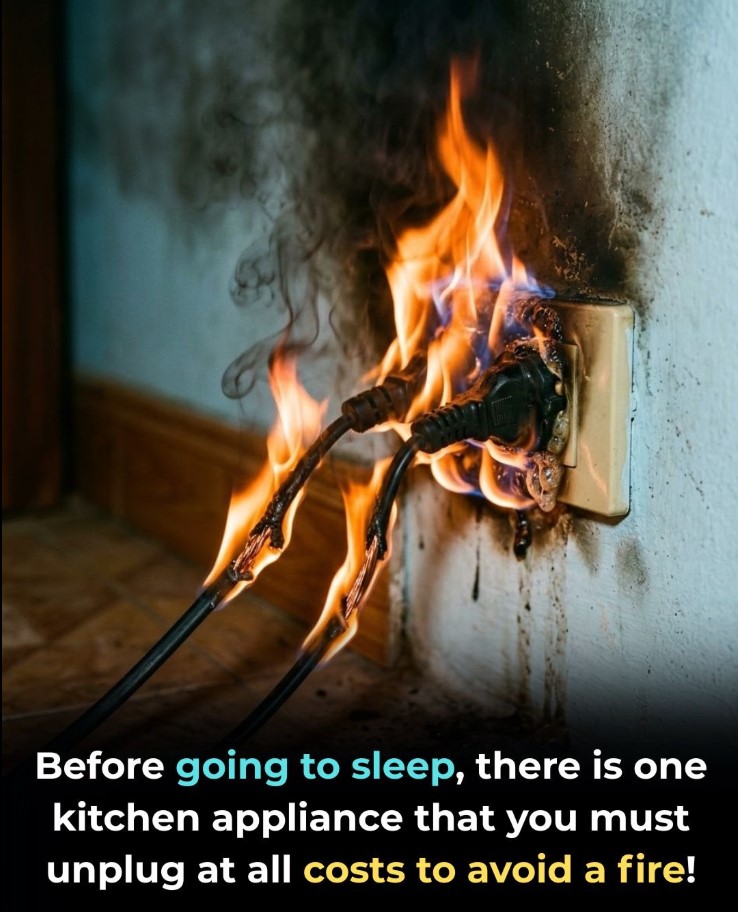
2. Reduces Fire Risks
Leaving appliances plugged in—especially older or lower-quality ones—can increase the risk of electrical fires. Faulty wiring, overheating components, or power surges can lead to dangerous situations. Experts recommend unplugging devices to reduce these risks, particularly when you’re away from home .
3. Extends Device Lifespan
Constant exposure to electricity, even in standby mode, can slowly wear down internal components. By unplugging devices, you reduce this stress and may help them last longer.
4. Environmentally Friendly
Reducing unnecessary energy use also helps lower overall electricity demand, which can decrease reliance on fossil fuels and reduce environmental impact.
Common Devices You Should Unplug
Not all appliances need to be unplugged, but some are known for drawing power even when not in use. Focus on these:
Electronics
- TVs and gaming consoles
- Computers and monitors
- Wi-Fi routers (when away for long periods)
These devices often stay in standby mode and continue drawing power .
Chargers
Phone and laptop chargers can still use electricity when plugged in—even if they’re not charging anything.
Kitchen Appliances
- Coffee makers
- Microwaves with digital displays
- Toasters and blenders
Many of these have clocks or internal systems that consume energy continuously .
Laundry Appliances
Washing machines and dryers may also draw standby power due to electronic controls.
What You Should NOT Unplug
While unplugging is helpful, some devices should remain connected:
- Refrigerators and freezers (they need constant power)
- Security systems
- Smoke detectors
These are essential for safety and daily living, so they should always stay plugged in.
Easy Ways to Build the Habit
Use Power Strips
Plug multiple devices into a power strip so you can turn them all off at once. This is especially useful for entertainment centers or office setups.
Unplug Before Leaving Home
Make it a routine to unplug non-essential devices before going on vacation or leaving for an extended period.
Start Small
Begin with easy-to-reach items like chargers or kitchen appliances. Over time, the habit will become second nature.
Is It Always Worth It?
Unplugging devices can save energy, but it’s important to be realistic. Some appliances (like simple lamps or fans) don’t consume power when turned off .
Also, the savings from unplugging a single device are small—but when applied across your entire home, the impact becomes meaningful.
Bonus Tip: Smart Alternatives
If unplugging everything feels inconvenient, consider using:
- Smart plugs
- Advanced power strips
These tools can automatically cut power to devices when they’re not in use, helping you save energy without extra effort.
Conclusion :
Unplugging unused devices is a simple yet powerful habit that can help protect both your home and your wallet. By reducing phantom power, you lower your energy bills, improve safety, and even extend the lifespan of your electronics.
While it may not seem like a big change, small actions like this can add up over time. Start with a few key devices, stay consistent, and you’ll soon notice the benefits.
In a world where energy costs continue to rise, sometimes the smartest solution is also the simplest—just unplug.