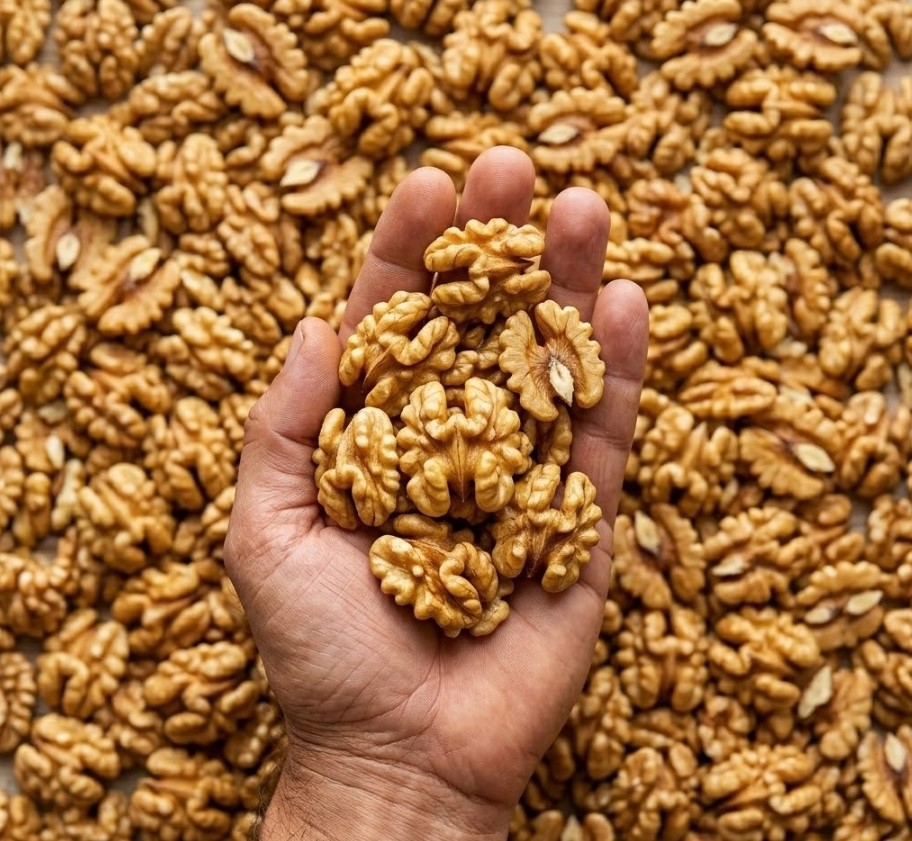
Walnuts are often called one of the most powerful natural foods you can add to your diet. They are small, simple, and easy to eat, yet packed with nutrients that support overall health. For centuries, walnuts have been valued in traditional diets for their rich flavor and impressive nutritional profile.
What makes walnuts especially interesting is their unique shape, which resembles the human brain. This has led many cultures to associate them with brain health—and modern science actually supports some of these beliefs.
Today, walnuts are recognized as a nutrient-dense superfood that can support heart health, brain function, digestion, and more. In this article, we’ll explore the proven health benefits of walnuts and why adding a handful to your daily routine can make a big difference over time.
What Makes Walnuts So Nutritious?
Walnuts stand out from other nuts because of their unique nutrient composition. They contain a powerful combination of healthy fats, plant-based protein, vitamins, and antioxidants.
Key nutrients found in walnuts include:
- Omega-3 fatty acids (especially alpha-linolenic acid)
- Protein
- Fiber
- Vitamin E
- Magnesium
- Phosphorus
- Antioxidants and polyphenols
These nutrients work together to support many essential functions in the body.
Unlike many snacks that provide empty calories, walnuts offer long-lasting energy and deep nutritional value.
1. Support for Heart Health
One of the most well-known benefits of walnuts is their positive effect on heart health.
The omega-3 fatty acids in walnuts help:
- Reduce inflammation in the body
- Improve cholesterol levels
- Support healthy blood vessels
- Lower risk factors associated with heart disease
Studies suggest that people who regularly eat walnuts may have better heart health compared to those who do not include them in their diet.
The combination of healthy fats, fiber, and antioxidants makes walnuts a heart-friendly food choice.
2. Brain Health and Cognitive Function
Walnuts are often linked to brain health due to their shape and nutrient content. While the shape is just a coincidence, the nutrients inside do support cognitive function.
Walnuts contain:
- Omega-3 fatty acids, which support brain cell structure
- Antioxidants that help protect brain cells from damage
- Vitamin E, which may support memory and mental sharpness
Regular consumption of walnuts may help support focus, memory, and overall brain performance, especially as we age.
3. Rich in Antioxidants
Walnuts are one of the richest sources of antioxidants among nuts.
Antioxidants help protect the body from oxidative stress, which can damage cells over time. This process is linked to aging and various health conditions.
Walnuts contain:
- Polyphenols
- Vitamin E
- Melatonin (a natural compound that supports sleep cycles)
These antioxidants help the body fight free radicals and maintain overall cellular health.
4. Supports Healthy Weight Management
Even though walnuts are calorie-dense, they may actually help with weight management when eaten in moderation.
This is because walnuts:
- Increase feelings of fullness
- Provide healthy fats that reduce cravings
- Offer protein and fiber that support satiety
Eating a small handful of walnuts as a snack can help reduce the urge to overeat unhealthy foods later in the day.
5. Good for Digestive Health
Walnuts also support gut health thanks to their fiber content and plant compounds.
Fiber helps:
- Improve digestion
- Support regular bowel movements
- Feed healthy gut bacteria
A healthy gut microbiome plays an important role in immunity, digestion, and even mood regulation.
Including walnuts in your diet can contribute to a more balanced digestive system over time.
6. May Help Reduce Inflammation
Chronic inflammation is linked to many health problems, including heart disease and metabolic issues.
Walnuts contain nutrients that help reduce inflammation naturally, including omega-3 fatty acids and antioxidants.
Regular intake may help support the body’s natural anti-inflammatory processes and improve overall wellness.
7. Supports Healthy Skin
The nutrients in walnuts are also beneficial for skin health.
Vitamin E and healthy fats help:
- Maintain skin moisture
- Support elasticity
- Protect skin cells from oxidative damage
This can contribute to a healthier, more youthful appearance over time.
How to Add Walnuts to Your Diet
Walnuts are very easy to include in everyday meals. You don’t need complicated recipes—just small additions can make a big difference.
Here are simple ways to enjoy them:
- Add to oatmeal or cereal
- Mix into yogurt or smoothies
- Sprinkle on salads
- Use in baked goods
- Eat a small handful as a snack
A daily portion of walnuts (about a handful) is enough to gain their nutritional benefits.
Tips for Best Results
To get the most from walnuts, keep these tips in mind:
- Eat them raw or lightly roasted (avoid heavily salted versions)
- Store them in a cool place to keep them fresh
- Practice portion control due to their calorie content
- Combine them with a balanced diet for best results
Consistency is more important than quantity.
Are There Any Downsides?
Walnuts are generally safe for most people, but there are a few things to consider:
- They are calorie-dense, so moderation is important
- Some people may have nut allergies
- Eating too many may cause digestive discomfort
As long as they are eaten in reasonable amounts, walnuts are a very healthy addition to most diets.
Conclusion :
Walnuts are one of nature’s simplest yet most powerful superfoods. Packed with healthy fats, antioxidants, vitamins, and minerals, they offer a wide range of health benefits—from supporting heart and brain health to improving digestion and skin quality.
Adding a small handful of walnuts to your daily routine is an easy habit that can contribute to long-term wellness. While they are not a cure for any condition, they can play an important role in a balanced and healthy lifestyle.
In the end, sometimes the smallest foods make the biggest difference—and walnuts are a perfect example of that.