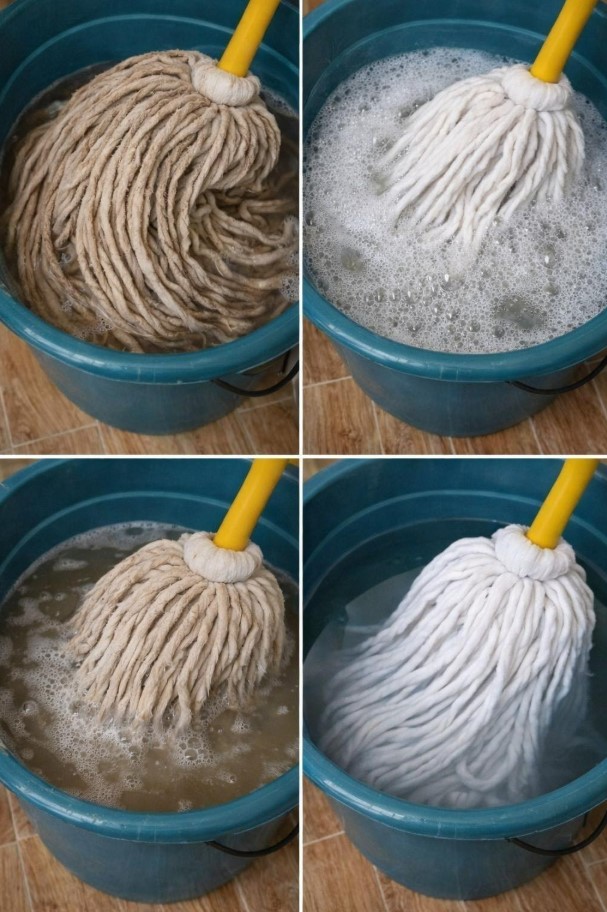
A clean home starts with clean tools—but what happens when the very tool you rely on to clean your floors becomes dirty, smelly, and ineffective? Over time, mops can accumulate grime, bacteria, and unpleasant odors, turning them into something you’d rather avoid using.
Many people assume that once a mop gets too dirty, it’s time to throw it away and buy a new one. But that’s not always necessary. In fact, with the right method, you can restore your mop to a fresh, clean state in less than 30 minutes—without using harsh or expensive chemicals.
This simple cleaning trick not only saves money but also helps maintain hygiene in your home. Whether you use your mop daily or occasionally, knowing how to properly clean it can make a big difference in how well it performs.
Let’s explore how you can quickly bring your dirty mop back to life using easy, effective techniques.
Why Cleaning Your Mop Matters
It might seem ironic, but a dirty mop can actually make your floors dirtier. When a mop is filled with bacteria, grease, and residue, it spreads grime instead of removing it.
Here’s why regular cleaning is important:
- Prevents the spread of bacteria
- Eliminates unpleasant odors
- Improves cleaning performance
- Extends the life of your mop
Keeping your mop clean ensures that your home stays truly fresh—not just on the surface.
What You’ll Need
The best part about this method is that it uses simple household items:
- Hot water
- White vinegar
- Baking soda
- Dish soap (optional)
- A bucket or sink
These ingredients are affordable, natural, and highly effective at breaking down dirt and odors.
Step-by-Step Method to Clean Your Mop
1. Shake and Rinse First
Start by shaking out any loose debris from the mop. Then rinse it thoroughly under warm running water to remove surface dirt.
2. Prepare the Cleaning Solution
Fill a bucket or sink with hot water. Add:
- 1 cup of white vinegar
- 2 tablespoons of baking soda
You’ll notice some fizzing—this reaction helps break down grime and kill bacteria.
3. Soak the Mop
Place the mop head into the solution and let it soak for about 20–30 minutes. This allows the cleaning mixture to penetrate deep into the fibers.
4. Add Dish Soap (Optional)
If your mop is especially greasy, add a few drops of dish soap to the mixture for extra cleaning power.
5. Scrub if Needed
For heavily soiled areas, gently scrub the mop fibers using your hands or a brush.
6. Rinse Thoroughly
After soaking, rinse the mop thoroughly with clean water until all residue is gone.
7. Dry Completely
Wring out excess water and hang the mop in a well-ventilated area to dry. Proper drying is essential to prevent bacteria growth.
Why This Method Works
This simple cleaning solution is powerful because of how the ingredients work together:
- Vinegar helps disinfect and remove odors
- Baking soda breaks down dirt and neutralizes smells
- Hot water loosens grime and kills bacteria
Together, they create a natural and effective cleaning system without the need for harsh chemicals.
Signs Your Mop Needs Cleaning
Not sure when it’s time to clean your mop? Look for these signs:
- Strong or unpleasant odor
- Visible dirt buildup
- Streaks left on the floor
- Reduced cleaning performance
If you notice any of these, it’s time to give your mop a refresh.
How Often Should You Clean Your Mop?
The frequency depends on how often you use it:
- Light use: Once every 1–2 weeks
- Regular use: Once a week
- Heavy use: After every few uses
Regular cleaning keeps your mop in top condition and prevents buildup.
Extra Tips for Keeping Your Mop Fresh
- Always rinse your mop after each use
- Avoid leaving it soaking in dirty water
- Let it dry completely after cleaning
- Store it in a dry, well-ventilated area
These small habits can significantly extend the life of your mop.
Common Mistakes to Avoid
- Using bleach too often: It can damage fibers over time
- Not rinsing properly: Leaves residue behind
- Storing while wet: Encourages bacteria growth
- Ignoring odors: Smell is often a sign of bacteria
Avoiding these mistakes will help keep your mop cleaner for longer.
When to Replace Your Mop
Even with proper care, mops don’t last forever. You should consider replacing yours if:
- The fibers are worn or falling apart
- The smell doesn’t go away after cleaning
- It no longer cleans effectively
Cleaning can extend its life—but not indefinitely.
Conclusion :
A dirty mop doesn’t have to mean a trip to the store. With just a few simple ingredients and 30 minutes of your time, you can restore your mop to a clean, fresh state and keep your home truly hygienic.
This method is not only effective but also affordable and eco-friendly, making it a smart choice for anyone looking to maintain a cleaner home without relying on harsh chemicals.
By taking care of your cleaning tools, you improve the results of your cleaning routine and create a healthier environment for yourself and your family.
So next time your mop starts to smell or look worn out, don’t throw it away—revive it instead.