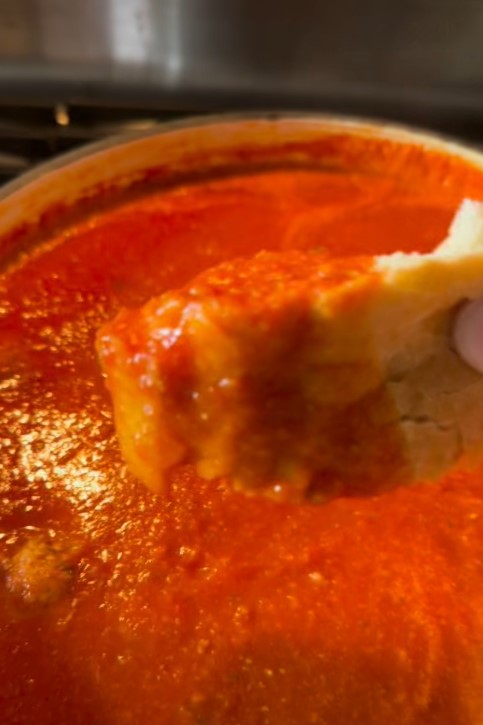
There’s something comforting about the smell of tomato sauce slowly bubbling on the stove — like a warm hug in culinary form. For many families, Sunday sauce isn’t just food, it’s tradition. It’s the scent that floats through the house before the sun is fully up. It’s memories of gathering around a crowded kitchen while laughter and stories fill the air. And it’s the meal that brings everyone together, Sunday after Sunday.
This Sunday sauce recipe honors that tradition while offering clear steps and tips so even first-time cooks can create a rich, flavorful sauce that tastes like it was passed down through generations.
What Makes This Sunday Sauce Special
Unlike a quick marinara, Sunday sauce is meant to slow cook. It’s a rich, hearty tomato base infused with aromatics, herbs, and a touch of love. The long simmer allows complex flavors to develop and makes the sauce thick, luscious, and deeply satisfying. Some people call it “gravy,” some call it “red sauce,” but no matter what you name it, the result is the same: comfort in every bite.
This sauce pairs perfectly with pasta, meatballs, sausage, or even just a chunk of crusty bread to soak up the last drops.
Ingredients You’ll Need :
Before diving in, here’s a list of everything you’ll want on hand. This recipe serves 6–8, but you can easily scale up for larger gatherings.
For the Sauce:
- 3 tablespoons olive oil
- 1 large yellow onion, finely chopped
- 6 cloves garlic, smashed and minced
- 2 cans (28 oz each) crushed tomatoes
- 1 can (15 oz) tomato sauce
- 1 small can (6 oz) tomato paste
- 1 teaspoon sugar (optional — adds balance)
- 1 tablespoon dried oregano
- 2 teaspoons dried basil
- A pinch of red pepper flakes (optional for mild heat)
- 1 bay leaf
- Salt and freshly ground black pepper to taste
Optional Meats (for extra richness):
- 2 Italian sausages (mild or hot)
- 4–5 large meatballs
- 1 pork rib or spare ribs
- 2–3 beef short ribs
For Serving:
- Your favorite pasta (spaghetti, rigatoni, or pappardelle work beautifully)
- Grated Parmesan or Pecorino Romano
- Fresh basil or parsley for garnish
Step-by-Step: Making the Perfect Sunday Sauce :
1. Warm the Olive Oil
In a large, heavy-bottomed pot or Dutch oven, heat the olive oil over medium heat. You want enough warmth to lightly sizzle the garlic and onion, but not so hot that it burns.
2. Saute the Aromatics
Add the chopped onion and cook until it becomes translucent and soft — about 5–7 minutes. Stir frequently so nothing browns too quickly. Once the onions are soft, add the minced garlic and cook for another minute until fragrant.
You’ll know it’s ready when the kitchen starts to smell like pure comfort.
3. Add the Tomatoes
Pour in the crushed tomatoes, tomato sauce, and tomato paste. The paste gives body and depth to the sauce, helping it cling to pasta and meats alike.
Stir gently until everything comes together into a smooth, bright red mixture.
4. Season and Simmer
Now it’s time to season. Add the oregano, basil, red pepper flakes if you’re using them, and the bay leaf. Sprinkle in the teaspoon of sugar — this helps balance acidity and gives a fuller flavor.
Finish with salt and pepper to your taste.
Bring the sauce to a gentle boil, then reduce the heat to low so it simmers slowly.
5. Add the Meats (Optional but Worth It)
If you’re using sausage, meatballs, or ribs, nestle them into the sauce now. As the sauce simmers, the meat releases its rich juices, infusing the entire pot with savory goodness.
Cover the pot, but leave a slight gap so steam can escape.
6. Let It Cook Low and Slow
This is the heart of Sunday sauce — letting it simmer for hours. Plan for at least 2–3 hours of slow cooking, stirring occasionally to prevent sticking. The longer it simmers, the deeper and richer the flavor.
If the sauce gets too thick, add a splash of water or red wine to loosen it.
Tips for a Deep, Balanced Flavor
- Use quality tomatoes: Whole peeled tomatoes crushed by hand make a big difference.
- Add fresh herbs at the end: A handful of fresh basil stirred in during the last 10 minutes brightens the sauce.
- Taste as you go: Salt, pepper, and herbs should be adjusted as the sauce reduces.
- Don’t rush the simmer: Patience is the secret to perfect Sunday sauce.
Serving Suggestions That Elevate the Meal
Once your sauce is ready, serve it over pasta that’s been cooked just shy of al dente — the sauce should finish the cooking. Toss the pasta with sauce so every strand is coated.
Here are a few serving ideas:
- Classic spaghetti and meatballs — simple, timeless, and always a crowd-pleaser.
- Rigatoni with sausage chunks — the ridges hold sauce beautifully.
- Pappardelle with short ribs — rich and bold for a special dinner.
- Garlic bread and salad — to round out the meal.
Top with grated Parmesan and torn fresh basil leaves for brightness and a touch of elegance.
Leftovers — Because There Will Be Plenty
One of the best things about Sunday sauce is that it’s even better the next day. When cooled, store leftovers in airtight containers in the refrigerator for up to 4 days. It also freezes wonderfully — just pour into freezer-safe bags or containers and thaw when ready.
Reheat gently on the stove, adding a splash of water or broth if it’s too thick.
A Dish That Brings People Together
Sunday sauce is more than a recipe — it’s a ritual. Families pass it down, generations tweak their own versions, and everyone has a story about the one that their grandmother, aunt, or mom made “just right.”
It’s a dish meant to be shared, not rushed — a couple of hours of simmering for hours of joy around the table.
Conclusion:
This rich, comforting Sunday sauce captures the heart of home cooking. It’s simple in concept but layered in flavor. Whether you serve it with pasta, meat, or a loaf of crusty bread, this sauce warms both stomach and soul.
Give yourself the gift of time, gather the people you love, and let this Sunday sauce become part of your family’s food traditions — just as it has for so many others.
Because the best recipes aren’t only about taste — they’re about memories around the table.