Our bodies rely on water for nearly every essential function — from regulating temperature and delivering nutrients to removing waste. When fluid levels fall too low, dehydration begins, and the body starts to send warning signals long before a serious problem develops. Knowing how to spot these early signs is especially helpful so you can take action and prevent dehydration from worsening.
In this article, we’ll explore the earliest symptoms to watch for, why they happen, and what to do if you notice them. Understanding dehydration can help keep you, your family, or loved ones healthier and more comfortable, especially during hot weather, exercise, or sickness.
Why Dehydration Happens
Dehydration occurs when your body loses more fluids than you take in. This can happen from not drinking enough water, sweating excessively, vomiting, diarrhea, or even illnesses that reduce appetite and fluid intake. Because water supports vital processes like circulation, digestion, and temperature control, even mild dehydration can affect your well‑being.
The First and Most Common Sign: Thirst
The earliest sign of dehydration is usually thirst — a clear signal from your body that it needs more fluid. This instinctive feeling means your fluid balance is already off and needs attention. Everyone experiences thirst differently, but once you notice it, that’s a good cue to drink water right away.
Other Early Indicators Your Body Might Be Dehydrated
Besides thirst, several other early signs can indicate mild dehydration before it becomes more severe:
Dry Mouth and Lips
A sticky or parched feeling in your mouth, lips, or tongue is a frequent early signal that your body is low on fluids.
Less Frequent Urination or Dark Urine
If you’re peeing much less often than usual or your urine is dark yellow or amber‑colored, your body may be conserving water. Pale, straw‑colored urine usually means you’re well hydrated.
Tiredness or Fatigue
Dehydration can reduce blood volume, leaving you feeling unusually tired, sluggish, or low on energy.
Headache or Dizziness
A dry head, pressure, or dizziness can be linked to fluid loss affecting brain function. Drinking water often eases this.
Signs of More Severe Dehydration
If dehydration progresses, other symptoms can appear and should not be ignored:
- Rapid heartbeat or breathing
- Confusion or irritability
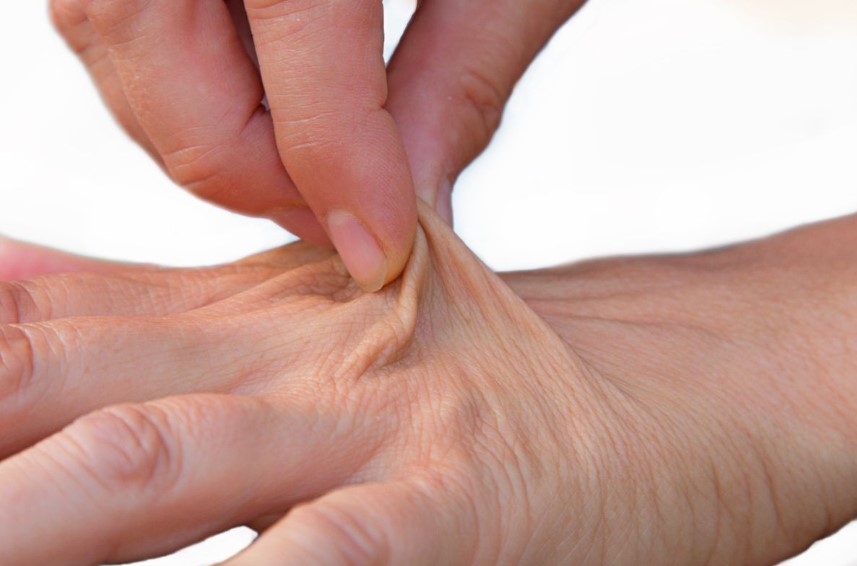
- Sunken eyes or dry skin
- Very dark urine
These signs indicate a more serious fluid imbalance and may need medical attention if they appear.
Why Urine and Mouth Sensations Matter
Your urine color is one of the easiest ways to check hydration — lighter is better. A dark, strong‑smelling urine often means your body is holding on to every drop it can. Similarly, saliva production drops when fluid is low, leading to dry mouth or “sticky” sensations.
How to Prevent and Treat Dehydration
The simplest way to avoid dehydration is to drink water regularly, especially:
- During hot weather
- When exercising or sweating a lot
- When sick with fever, vomiting, or diarrhea
- After alcohol or caffeinated drinks, which can increase water loss
Carrying a water bottle, setting hydration reminders, and choosing fluids with electrolytes during intense activity can make a big difference.
Conclusion:
Thirst is your body’s first and most reliable sign that you need more fluids. It’s a built‑in alert system designed to keep you hydrated and functioning well. Along with thirst, pay attention to clues like dry mouth, dark urine, fatigue, and headaches — they’re early warnings that shouldn’t be ignored.
Staying hydrated isn’t just about drinking water when you’re thirsty; it’s about making fluid intake a regular part of your day, especially during heat, exercise, or illness. Recognizing the first signs of dehydration and responding early helps maintain your health, energy, and overall well‑being.