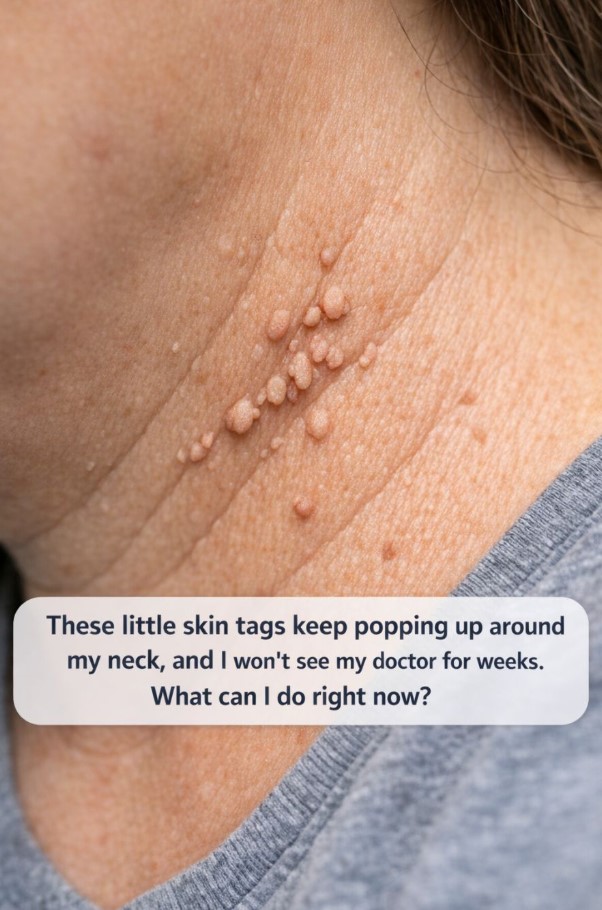
Have you noticed small, soft growths popping up around your neck or other areas of your body, and wondered what they are? These tiny skin tags are surprisingly common, and while they’re usually harmless, they can feel frustrating — especially if you won’t be able to see a doctor for a few weeks. Understanding what they are, why they appear, and what you can safely do in the meantime can help ease worry and keep your skin healthy.
What Are Skin Tags?
Skin tags are small, soft, benign growths of skin. They typically appear in areas where skin rubs against skin, clothing, or jewelry, such as the neck, underarms, eyelids, or groin. They are generally painless and don’t cause serious health issues, but they can be cosmetically bothersome.
Anyone can get skin tags, but they are more common in adults and may be influenced by genetics, age, or friction from clothing. They are harmless in most cases, but it’s always important to monitor any new skin growths for changes.
Why Skin Tags Appear
There isn’t a single cause for skin tags, but several factors can contribute:
- Friction: Skin rubbing against skin or tight clothing can trigger their growth.
- Genetics: If family members get skin tags, you may be more likely to develop them.
- Hormones: Some people notice skin tags during hormonal changes, such as pregnancy.
- Other factors: Age and certain health conditions, like insulin resistance, can also increase their likelihood.
Even though they’re usually harmless, new growths or changes in existing ones should always be noted for your doctor’s visit.
What You Can Do While Waiting to See a Doctor
Even if you can’t get to a doctor immediately, there are safe ways to manage skin tags:
1. Avoid Irritation
Try not to rub, scratch, or pull on skin tags, as this can cause bleeding or infection. Looser clothing or soft fabrics can reduce friction on affected areas.
2. Keep the Area Clean
Maintain good hygiene by washing the area gently with soap and water. Pat the skin dry — moisture can increase irritation.
3. Monitor for Changes
Keep track of any changes in size, color, or shape. While most skin tags remain stable, unusual changes should be discussed with a healthcare professional as soon as possible.
4. Plan for a Professional Check
A doctor or dermatologist can confirm that the growths are skin tags and not something more serious. They can also provide safe removal options if necessary. Professional removal is quick and minimizes the risk of infection or scarring.
Conclusion :
While skin tags can be annoying or unsightly, they are extremely common and generally harmless. Most people live with them without any complications, and in many cases, they don’t require medical treatment. However, paying attention to new growths and changes in existing tags is important for your overall skin health.
Waiting to see a doctor can feel stressful, but there are safe ways to care for your skin in the meantime. Avoid pulling or cutting skin tags yourself, keep the area clean, and reduce friction from clothing. These simple steps can prevent irritation or infection and help you feel more comfortable while waiting for professional guidance.
Understanding skin tags — what they are, why they appear, and how to manage them — empowers you to take care of your skin confidently. They may keep appearing, but with careful monitoring and timely medical advice, you can maintain healthy skin while deciding whether removal is right for you. Remember, the safest and most effective removal options are those provided by a qualified healthcare professional.