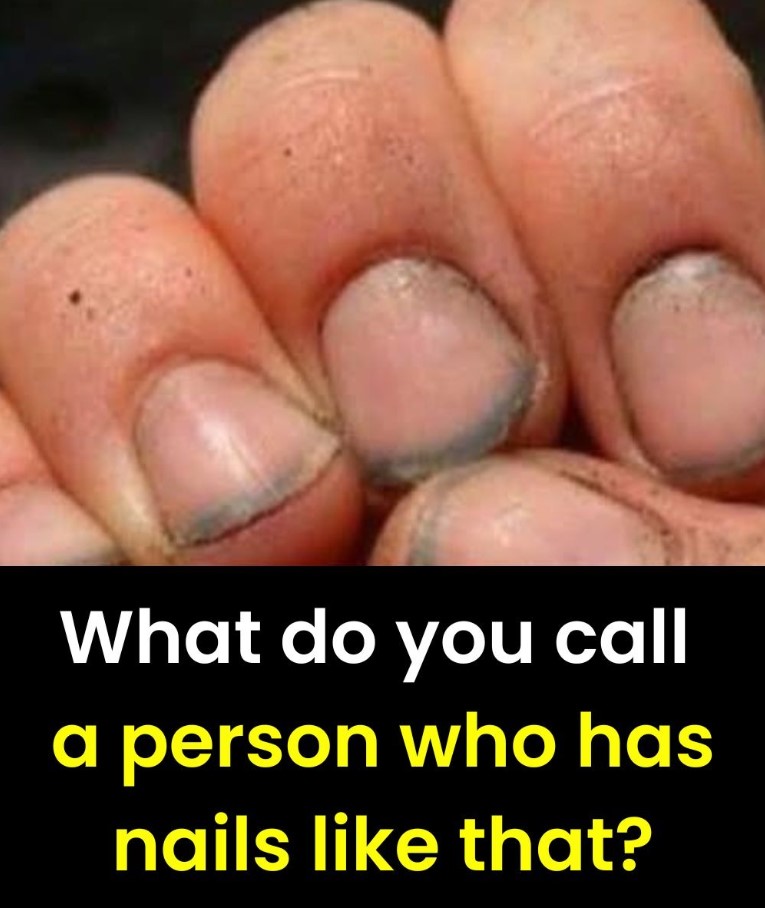
Have you ever looked at someone’s fingernails—or even your own—and noticed unusual lines, ridges, or textures? It’s a common question: what do you actually call a person with nails like that?
The truth is, there isn’t a special “name” for a person. Instead, what you’re seeing is usually described as a nail condition, and the appearance of the nails can tell you quite a bit about overall health, habits, and even aging.
Nails are more than just a cosmetic feature—they can act like small windows into what’s happening inside the body. Changes in color, texture, or shape may be completely harmless, or they could signal something that deserves a closer look. Understanding the difference is key.
Common Types of Nail Ridges
When people ask about unusual nails, they’re often referring to ridges. These are lines or grooves that run either vertically or horizontally across the nail.
Vertical Ridges
Vertical ridges run from the cuticle (base of the nail) to the tip. These are extremely common and usually harmless.
In many cases, vertical ridges develop naturally as part of aging. As your body produces nail cells more slowly over time, slight ridges can appear.
They may also be linked to:
- Dry skin
- Minor nutritional deficiencies
- Everyday wear and tear on the nails
In most situations, vertical ridges don’t require treatment and are simply a normal variation.
Horizontal Ridges (Beau’s Lines)
Horizontal ridges are more noticeable and sometimes more important. These lines run from side to side across the nail and are known medically as Beau’s lines.
They form when nail growth is temporarily interrupted due to illness, injury, or stress on the body.
Possible causes include:
- High fever or infections
- Physical injury to the nail
- Nutritional deficiencies
- Certain medical conditions
Unlike vertical ridges, horizontal ridges can sometimes indicate that something affected your body at a specific time in the past.
Other Nail Conditions That Cause “Unusual” Looks
Sometimes nails don’t just have simple ridges—they may look rough, brittle, or uneven. In these cases, there are specific terms used to describe the condition.
Onychorrhexis (Brittle Nails)
This condition refers to nails that develop vertical ridges along with splitting or breakage.
It can be linked to:
- Aging
- Nutritional issues
- Hormonal imbalances
In many cases, it’s not serious, but persistent brittleness may be worth checking.
Trachyonychia (Rough, Ridged Nails)
This is a less common condition where nails appear rough, thin, and covered with fine ridges.
It can sometimes be associated with skin conditions like eczema or psoriasis.
What Causes Nails to Look Like This?
There are many possible reasons why nails develop unusual textures or ridges. Some are harmless, while others may need attention.
1. Natural Aging
As you get older, nail growth slows down, and ridges become more visible. This is one of the most common causes and usually nothing to worry about.
2. Minor Trauma
Bumping your nail, biting it, or frequent manicures can damage the nail matrix (where nails grow), leading to ridges or grooves.
3. Nutritional Deficiencies
Low levels of certain nutrients—like iron, protein, or vitamins—can affect nail health and appearance.
4. Dehydration or Dryness
Dry nails are more likely to develop lines and cracks.
5. Health Conditions
In some cases, nail changes can be linked to underlying issues such as:
- Thyroid disorders
- Skin conditions
- Chronic illnesses
This doesn’t mean every ridge is a warning sign—but it’s something to keep in mind if changes are sudden or severe.
When Should You Be Concerned?
Most nail changes are harmless, but there are situations where you should pay closer attention.
You may want to consult a professional if you notice:
- Deep horizontal ridges across multiple nails
- Sudden changes in nail color
- Pain, swelling, or infection
- Nails becoming extremely brittle or breaking easily
Deep horizontal ridges, in particular, can sometimes indicate that nail growth was disrupted by illness or stress.
Simple Ways to Improve Nail Health
Even if your nail changes are harmless, there are steps you can take to keep them looking and feeling healthier.
Keep Nails Moisturized
Use hand creams or oils regularly to prevent dryness and brittleness.
Eat a Balanced Diet
Make sure you’re getting enough vitamins and minerals, especially iron and protein.
Avoid Harsh Treatments
Limit the use of strong chemicals, acrylic nails, or excessive filing.
Protect Your Hands
Wear gloves when cleaning or working with water for long periods.
Stay Hydrated
Drinking enough water supports overall nail health.
Why Nails Matter More Than You Think
Your nails may seem like a small detail, but they can reflect broader aspects of your health.
While most ridges and lines are completely normal, they can sometimes act as early indicators of changes happening inside your body. That’s why it’s helpful to pay attention to new or unusual patterns.
At the same time, it’s important not to overreact. Many nail changes are simply part of normal life—aging, minor damage, or everyday habits.
Conclusion :
So, what do you call a person with nails like that? The simple answer is—you don’t call the person anything special. Instead, you describe the condition of the nails, such as ridged nails, brittle nails, or specific terms like Beau’s lines.
Most of the time, these changes are harmless and part of natural aging or minor lifestyle factors. However, in some cases, they can signal something worth paying attention to.
The key is awareness. By understanding what different nail patterns mean, you can better care for your health and know when it’s time to look a little closer.
In the end, your nails are more than just appearance—they’re a small but valuable clue to your overall well-being.