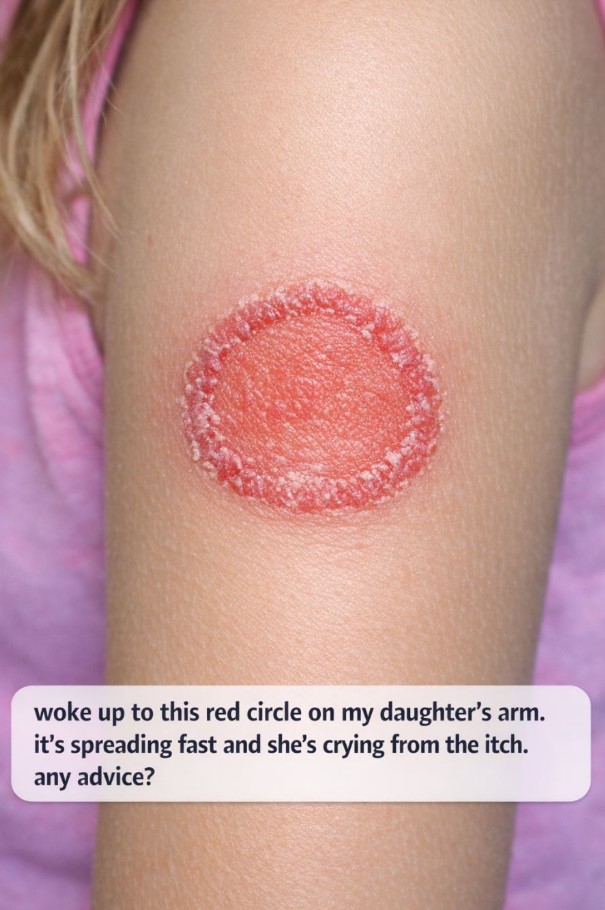
Seeing a rapidly spreading red circle on your child’s skin — especially one that is itchy and causing discomfort — can be alarming. When the rash appears suddenly and seems to grow over time, parents often worry about allergic reactions, insect bites, infections, or other causes. Understanding the possible reasons for a red, expanding rash and knowing how to respond calmly and safely can help you take the right steps for treatment and comfort.
Skin reactions can range from mild irritation to signs of infection or allergic response. What’s most important is to observe the rash carefully, look for associated symptoms, and decide when it’s important to seek medical care. In many cases, early attention helps prevent complications and provides faster relief for your child.
Possible Causes of a Red, Expanding Rash
Here are some common reasons a red circle might appear on the skin and start to grow or spread:
1. Insect Bite Reaction
Some bites from insects like mosquitoes, spiders, or ticks can trigger a localized reaction. The area around the bite may:
- Be red and raised
- Expand over time
- Feel warm and itchy
Tick bites, in particular, can sometimes cause a red ring that expands outward. Because ticks can carry infections, it’s important to check for a tick or bite mark in the center of the red area.
2. Contact Irritation or Allergic Reaction
Your child may have touched something that irritated the skin — a plant, fabric, lotion, or cleaning product. Allergic skin reactions can cause:
- Redness
- Itching
- A spreading ring or patch
These reactions often come with itching and can spread if the allergen continues to contact the skin.
3. Fungal Infection
Ring‑shaped rashes that grow outward with a clearer center may be caused by a fungal infection such as ringworm. These typically:
- Form a circular shape
- Become more noticeable over time
- Might itch or flake
Despite its name, ringworm is not caused by a worm. It’s a common fungal infection, especially in children who play outdoors, swim, or share towels or bedding.
4. Early Signs of Infection
If the skin is broken or irritated, bacteria can enter and cause an infection. Signs that a rash may be infected include:
- Redness that spreads
- Warmth when touched
- Pain
- Pus or discharge
- Fever
Infections require prompt attention from a healthcare professional.
What You Can Do Right Away
While waiting to see a healthcare provider, here are steps you can take at home to care for your child and monitor the rash:
Observe the Rash Carefully
- Note the size and shape of the red circle.
- Take a picture with a date and time so you can track how it changes.
- Check whether it has a raised border, clear center, or scaling.
Regular observation helps determine whether the rash is improving or worsening.
Clean the Area Gently
Wash the area with mild soap and lukewarm water to remove any irritants or dirt. Avoid scrubbing, which can worsen redness or irritation.
Apply a Cool Compress
A clean, cool cloth applied gently to the rash may help reduce itching and discomfort. Avoid ice directly on the skin.
Avoid Scratch‑Induced Injury
Itching can be intense, but scratching can break the skin and allow bacteria into the wound. Keep nails trimmed and consider covering the area with loose clothing.
Use Appropriate Overnight Protection
If itching is severe at night, cover the area loosely with breathable fabric to reduce irritation and prevent scratching.
When to Seek Medical Care
You should contact a healthcare provider right away if:
- The red area expands rapidly over a short period
- Your child has a fever
- The itching is severe and not relieved with simple care
- The center of the rash looks broken, oozing, or has pus
- The rash is accompanied by pain or swelling
- You suspect a tick bite
Rapid spread, intense itching, systemic symptoms (like fever), or signs of infection mean a professional evaluation is important. A doctor may examine the rash, ask about recent exposures (outdoor play, new soaps, animals, etc.), and recommend appropriate treatment such as antifungal cream, antihistamine, or antibiotics.
Conclusion :
A red circle on the arm that spreads quickly and causes intense itching can be unsettling, especially when it affects a child. There are several possible explanations, including insect reactions, allergic contact irritation, fungal infections, and bacterial infections. Each cause has its own characteristics, so paying attention to how the rash looks and how your child feels helps guide your response.
In the meantime, gentle cleaning, cool compresses, and careful observation can provide comfort and useful information. However, if the rash worsens, covers a larger area, is painful, or is accompanied by fever or other symptoms, it’s important to contact a healthcare professional as soon as possible. Early evaluation and treatment ensure the best chance of quickly easing discomfort and preventing complications.