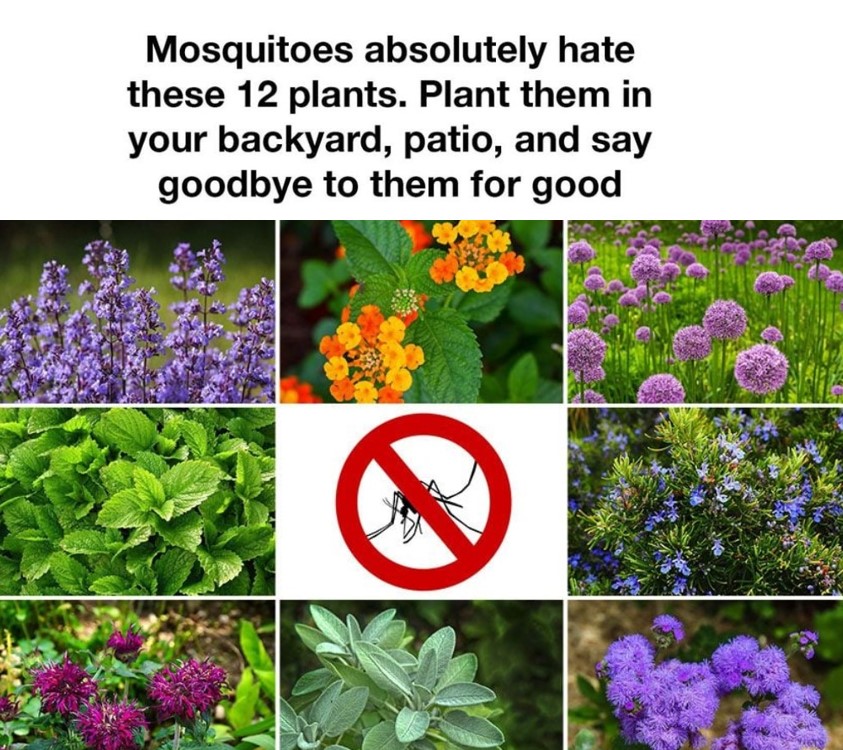
Mosquitoes are one of the most annoying pests during warm weather. They can quickly ruin outdoor relaxation, whether you are sitting on a patio, gardening, or enjoying time in your backyard. Because of this, many people look for natural ways to reduce mosquito presence around their homes without relying only on chemical sprays.
One popular approach is using mosquito-repelling plants. Certain plants naturally produce strong scents and essential oils that mosquitoes tend to avoid. While these plants do not create a completely mosquito-free environment on their own, they can contribute to a more comfortable outdoor space when combined with good yard maintenance.
This guide explores some of the most well-known plants that are often associated with helping deter mosquitoes and explains how they are commonly used in gardens and outdoor areas.
How Mosquito-Repelling Plants Work
Many aromatic plants release natural compounds such as essential oils. These scents can interfere with how mosquitoes locate humans, mainly by masking smells like carbon dioxide and body odor.
Common mosquito-repelling plant traits include:
- Strong fragrance
- Essential oil production
- Citrus or herbal scent profiles
- Aromatic leaves that release scent when touched
However, it is important to understand that simply planting them in a yard may have limited effect unless the oils are released or the plants are placed close to where people sit.
1. Lavender
Lavender is widely known for its calming fragrance, but mosquitoes tend to dislike its strong floral scent. It is often used in garden borders and pots near patios. The plant thrives in sunny, dry conditions and adds both beauty and aroma to outdoor spaces.
2. Citronella Grass
Citronella grass is one of the most recognized mosquito-repelling plants. It has a strong lemon-like scent often used in mosquito candles and sprays. It grows best in warm climates and is commonly planted in large containers near seating areas.
3. Basil
Basil is both a culinary herb and a fragrant plant that mosquitoes tend to avoid. Its strong smell makes it a useful addition to kitchen gardens and outdoor planters placed near doors or windows.
4. Mint
Mint produces a strong refreshing aroma that can help mask scents that attract mosquitoes. It grows quickly and spreads easily, making it ideal for container planting rather than open garden beds.
5. Marigold
Marigolds are bright, easy-to-grow flowers that emit a scent many insects dislike. They are commonly used in garden borders to add color while also helping reduce pests in outdoor areas.
6. Rosemary
Rosemary is a hardy herb with a strong, woody fragrance. It is often placed near outdoor cooking areas or patios. When its leaves are brushed or crushed, the scent becomes stronger.
7. Lemongrass
Lemongrass has a fresh citrus aroma that is similar to citronella. It is often grown in warm climates or large pots. Its tall grassy appearance also makes it a decorative garden plant.
8. Catnip
Catnip is known for attracting cats, but it also contains compounds that mosquitoes tend to avoid. It grows easily and spreads quickly, making it a strong but sometimes fast-growing garden herb.
9. Lemon Balm
Lemon balm has a mild lemon scent and is part of the mint family. It is commonly used in herbal gardens and is often planted in pots due to its spreading growth.
10. Eucalyptus (in some climates)
Eucalyptus trees and plants produce a strong medicinal scent. This aroma is often used in natural insect-repelling products and is associated with keeping mosquitoes away from nearby areas.
11. Bee Balm
Bee balm has a strong herbal fragrance and colorful flowers. While it attracts pollinators like bees and butterflies, its scent is also believed to discourage mosquitoes from staying nearby.
12. Scented Geranium
Scented geraniums come in different fragrances, including citrus and rose-like scents. These plants are often placed in containers around patios and walkways for decorative and aromatic purposes.
Tips for Using Mosquito-Repelling Plants Effectively
To get the best results from these plants, many gardeners combine them with simple practices:
- Place plants near seating areas
- Grow them in pots for closer placement
- Gently brush leaves to release fragrance
- Combine multiple plant types together
- Maintain a clean outdoor environment
Important Reality Check
While mosquito-repelling plants are popular, they work best as part of a larger approach. Mosquitoes are mainly attracted by:
- Carbon dioxide
- Body heat
- Moist environments
So even with plants, it is still important to:
- Remove standing water
- Keep gardens clean
- Reduce shaded stagnant areas
Plants alone cannot completely eliminate mosquitoes, but they can contribute to making outdoor spaces more pleasant.
Why People Still Love These Plants
Even if their effect is limited, these plants remain popular because they:
- Add beauty to gardens
- Provide natural fragrance
- Are easy to grow
- Support pollinators in some cases
- Enhance outdoor living spaces
They offer both decorative and practical value in home gardening.
Conclusion :
Mosquito-repelling plants are a natural and attractive way to enhance outdoor spaces while potentially reducing mosquito activity. Plants like lavender, citronella grass, basil, mint, and rosemary are commonly used in gardens because of their strong scents and easy maintenance.
Although they are not a complete solution on their own, they can still play a helpful role when combined with good garden habits and proper outdoor care. Beyond their mosquito-related benefits, these plants also bring color, fragrance, and life to any backyard or patio.
In the end, the real value of these plants lies not just in pest control, but in creating a more enjoyable, fresh, and relaxing outdoor environment.