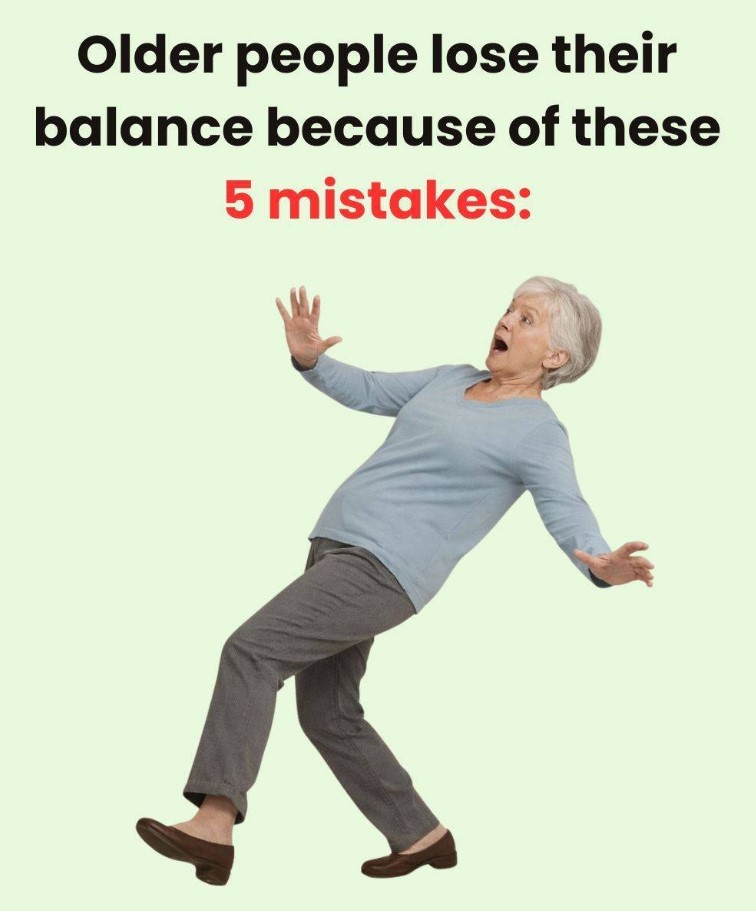
Good balance is something most people take for granted—until it starts to feel “off.” Whether it’s a slight wobble when standing up, difficulty walking in the dark, or occasional dizziness, balance issues can quietly affect daily life more than many realize.
Balance is not controlled by one single system in the body. Instead, it depends on a complex coordination between the inner ears, eyes, muscles, joints, nerves, and brain. When even one of these systems is disrupted, stability can suffer.
As people age—or even due to lifestyle habits—small mistakes can gradually weaken this system. The good news is that many of these issues are preventable or manageable once you understand what’s causing them.
Below are five common mistakes that can negatively affect balance and what you can do to reduce their impact.
1. Not Staying Physically Active Enough
One of the most common causes of balance decline is simply lack of movement.
When the body is not regularly active:
- Muscles become weaker
- Reflexes slow down
- Coordination decreases
Balance depends heavily on muscle strength and the body’s ability to react quickly to changes in position. Without regular activity, the systems responsible for stability become less efficient.
Even simple daily movement—such as walking, stretching, or light exercise—helps keep the body responsive and steady.
Over time, inactivity can create a cycle where reduced movement leads to poorer balance, and poorer balance leads to even less movement.
2. Ignoring Vision or Hearing Changes
Vision and hearing play a major role in maintaining balance because they help the brain understand spatial awareness.
When these senses decline:
- It becomes harder to judge distances
- Movement becomes less coordinated
- The risk of missteps increases
For example, reduced vision can make it difficult to notice obstacles, while hearing issues can affect awareness of surroundings.
Experts note that problems in vision, hearing, or both can significantly increase instability, especially in older adults.
Regular eye and hearing checkups are essential because even small changes can have a big impact on stability.
3. Wearing Unsafe or Poorly Fitting Shoes
Footwear plays a bigger role in balance than many people realize.
Shoes that are:
- Too loose
- Too slippery
- Too flat or unsupportive
can reduce stability and make walking less secure.
The feet contain sensitive nerves that send constant feedback to the brain about pressure, movement, and surface changes. When shoes interfere with this feedback, the brain receives less accurate information about balance.
Poor footwear can also increase the risk of slipping, tripping, or uneven walking patterns.
Supportive shoes with good grip and proper fit help the body stay stable and aligned during movement.
4. Not Managing Health Conditions or Medications Properly
Several health conditions can directly affect balance, including issues involving the inner ear, blood pressure, nerves, or circulation.
Balance depends on multiple systems working together:
- Inner ear (vestibular system)
- Brain and nervous system
- Muscles and joints
- Vision
When one system is affected, dizziness or instability may occur.
Certain medications can also contribute to balance problems, especially those that cause drowsiness or affect blood pressure.
Ignoring these factors or not discussing them with a healthcare provider can allow balance issues to worsen over time.
Proper medical management is an important part of maintaining stability.
5. Ignoring Small Signs of Imbalance
One of the biggest mistakes people make is dismissing early warning signs such as:
- Occasional dizziness
- Slight unsteadiness
- Feeling “off” when walking
- Hesitation on stairs
These early symptoms may seem minor, but they can signal that the balance system is starting to weaken.
Balance relies on constant communication between the brain and body. If something begins to change, the system often gives small signals before bigger problems develop.
Ignoring these signs can allow underlying issues to progress unnoticed.
Paying attention early gives you a better chance to address the cause before it becomes more serious.
Why Balance Problems Happen in the First Place
Balance issues are not caused by one single factor. Instead, they often result from a combination of age, health conditions, inactivity, and environmental factors.
Common contributors include:
- Inner ear disorders
- Muscle weakness
- Nerve damage
- Low blood pressure
- Vision changes
- Medication side effects
Because so many systems are involved, even small disruptions can affect stability.
How to Support Better Balance
Improving balance is often possible with consistent habits:
- Stay physically active
- Get regular vision and hearing checkups
- Wear supportive, stable footwear
- Stay hydrated and maintain good nutrition
- Address medical conditions early
- Practice simple balance exercises
Even small improvements in daily habits can make a noticeable difference over time.
Conclusion :
Balance is a complex system that depends on coordination between many parts of the body. Because of this, even small lifestyle habits or health changes can have a noticeable effect.
The most common mistakes—such as inactivity, ignoring sensory changes, wearing poor footwear, neglecting health issues, and overlooking early symptoms—can slowly weaken stability over time.
The important takeaway is that balance problems rarely appear suddenly. They usually develop gradually, giving you opportunities to recognize and address them early.
By staying active, paying attention to your body, and managing health factors properly, you can support better stability and reduce the risk of imbalance in daily life.
Good balance is not just about avoiding falls—it is about maintaining confidence, independence, and safe movement every day.