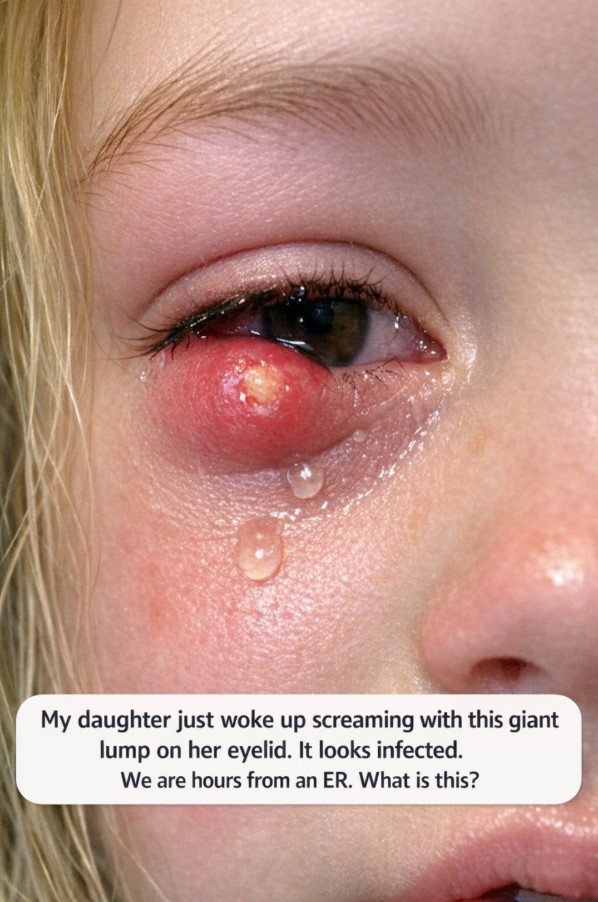
Waking up to a painful, swollen lump on the eyelid can be frightening, especially for teenagers. A sudden eyelid swelling, redness, or lump that appears overnight may cause pain, interfere with vision, and trigger worry for both the teen and their caregivers.
While many eyelid lumps are minor and temporary, some can signal infection or other conditions that require prompt medical evaluation. Understanding the potential causes, knowing what safe steps to take at home, and recognizing warning signs that require urgent care can help reduce anxiety and ensure the teen gets the right treatment quickly.
Common Causes of Sudden Eyelid Lumps
Several conditions can cause a sudden, painful lump on the eyelid. Identifying the general type of lump can help determine the urgency of care.
1. Stye (Hordeolum)
A stye is a bacterial infection of an oil gland along the edge of the eyelid. It usually presents as:
- A red, tender bump on the eyelid margin
- Swelling and warmth around the area
- Mild to moderate pain or irritation
- Sometimes a small amount of pus or yellow tip
Styes are common in teenagers due to hormonal changes, increased oil production, and frequent contact with the eyes.
2. Chalazion
A chalazion forms when an oil gland becomes blocked. Unlike styes, chalazia are usually less painful but may appear swollen and firm. Occasionally, they can become inflamed and tender, especially if infection develops.
- Firm, round lump on the eyelid
- Swelling without significant redness
- Can last days to weeks if untreated
3. Insect Bite or Trauma
Accidental scratching, rubbing, or insect bites can cause a lump on the eyelid. These lumps often appear suddenly and may be accompanied by redness, itching, or localized swelling.
4. Preseptal or Orbital Cellulitis
Serious infections can cause rapid swelling, redness, warmth, and severe pain. Preseptal cellulitis affects the eyelid and tissues around the eye, while orbital cellulitis involves deeper tissues and can impact vision. Warning signs include:
- Fever or chills
- Severe tenderness or pain
- Restricted eye movement
- Vision changes or double vision
These conditions require immediate medical attention.
Safe Home Care for Eyelid Lumps
While awaiting professional care or if the lump appears mild, these measures can help:
1. Warm Compresses
Applying a clean, warm compress to the eyelid for 10–15 minutes, 3–5 times a day, can help:
- Reduce swelling
- Promote drainage of blocked glands
- Soothe discomfort
Always use a clean cloth and lukewarm water to avoid burns or introducing bacteria.
2. Gentle Eyelid Hygiene
- Wash hands thoroughly before touching the eyes
- Gently clean the eyelid with mild soap or baby shampoo diluted in water
- Avoid rubbing, squeezing, or popping the lump
3. Avoid Contact Lenses and Eye Makeup
While the eyelid is inflamed, avoid contact lenses and makeup to reduce irritation and risk of further infection.
4. Over-the-Counter Pain Relief
If necessary and safe for the teen, mild pain relievers such as acetaminophen or ibuprofen can help manage discomfort. Follow dosing instructions carefully.
When to Seek Urgent Medical Care
Certain signs indicate the need for prompt medical attention:
- Rapidly enlarging or intensely painful lump
- Redness spreading beyond the eyelid
- Fever or general unwell feeling
- Vision changes (blurred vision, double vision)
- Difficulty moving the eye
Even if these symptoms are not present, if the lump is persistent, worsening, or concerning, a healthcare professional should examine it. Early treatment can prevent complications, including eye infections that could threaten vision.
Prevention Tips
- Encourage proper hand hygiene, especially before touching the eyes
- Avoid sharing towels, eye makeup, or contact lenses
- Teach teens to avoid rubbing their eyes
- Maintain regular eyelid hygiene, especially for those prone to styes or blocked glands
Conclusion :
A sudden, painful lump on a teenager’s eyelid can be alarming but is often caused by a stye or minor blockage. Most mild lumps can improve with warm compresses and proper eyelid hygiene. However, rapid swelling, severe pain, spreading redness, or vision changes are warning signs that require urgent medical evaluation.
By recognizing common causes, taking safe home measures, and knowing when to seek professional care, parents and teens can manage eyelid lumps effectively, reduce discomfort, and prevent potential complications. Early attention ensures faster recovery and peace of mind for both the teen and their caregivers.