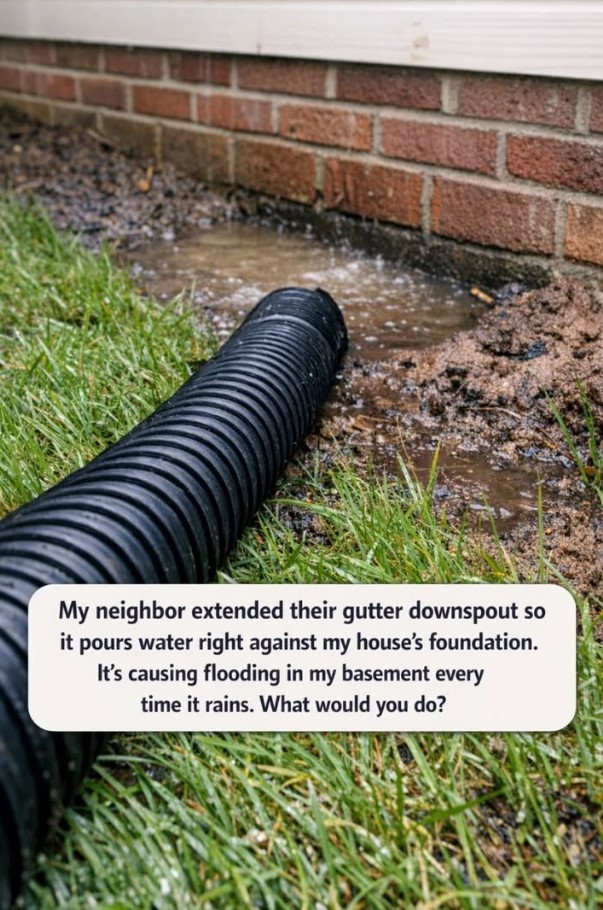
Rainwater drainage might seem like a small detail in home maintenance, but when it’s handled incorrectly, it can lead to serious problems. Gutters and downspouts are designed to move rainwater safely away from a home’s roof and foundation. When they are installed or extended improperly, however, they can create major issues for neighboring properties.
Imagine noticing that every time it rains, water pours from your neighbor’s gutter downspout directly toward your house. Soon after, your basement begins to flood, and the soil around your foundation becomes soaked. Situations like this can be incredibly frustrating and stressful, especially when the problem appears to originate from someone else’s property.
While this type of dispute is more common than many people realize, there are several steps homeowners can take to resolve it. Understanding the rules about water drainage and knowing how to approach the situation calmly and effectively can make a big difference.
Why Redirecting a Downspout Can Cause Serious Problems
Gutters collect rainwater from the roof and channel it through downspouts so it can drain safely away from the structure. When everything is installed correctly, the water is directed toward a drainage area, storm drain, or lawn where it can soak into the ground.
Problems occur when the water is concentrated and discharged directly toward another structure or property. A gutter system can gather a large amount of rainwater from a roof and release it all in one place. If that water is pointed toward a neighboring home, it may overwhelm the soil and cause flooding or structural damage.
Experts generally recommend that downspouts release water several feet away from any building or property line. In many cases, they should extend at least about 6 feet away from a basement foundation to prevent water intrusion.
When that guideline is ignored, water can seep into foundation cracks or overwhelm drainage systems, eventually leading to basement leaks.
Is Your Neighbor Legally Responsible?
Water disputes between neighbors are often governed by property laws related to surface water drainage. In many places, homeowners must accept natural rainwater flow from higher ground. However, the situation changes when someone artificially alters that flow.
If a neighbor collects rainwater through gutters and then channels it in a way that causes damage to your property, it may be considered an unreasonable alteration of natural drainage.
Courts and local authorities often look at whether:
- The water flow was artificially redirected
- The damage was foreseeable
- A reasonable alternative drainage solution existed
If the answer to those questions suggests negligence, the neighbor may be responsible for correcting the issue and possibly covering repair costs.
Step 1: Document the Problem
Before confronting the issue, it’s important to gather clear evidence. Proper documentation can make it easier to resolve the situation later if authorities or insurance companies become involved.
Consider recording:
- Photos of the downspout direction
- Videos during rainfall showing the water flow
- Damage to your yard or foundation
- Evidence of basement flooding
Having detailed documentation can help demonstrate how the drainage system is affecting your property.
Step 2: Talk to Your Neighbor
Although it may feel uncomfortable, the first step in resolving most property disputes is a calm conversation.
Your neighbor may not realize that their gutter extension is causing problems. Showing them the evidence and explaining the situation politely may lead to a quick solution.
Possible fixes could include:
- Repositioning the downspout
- Installing a splash block
- Adding a longer extension
- Redirecting water toward a storm drain or garden area
In many cases, these adjustments are inexpensive and easy to install.
Step 3: Check Local Building Codes
If your neighbor is unwilling to cooperate, the next step is to check local regulations. Many cities have rules requiring homeowners to manage rainwater responsibly and prevent runoff from damaging neighboring properties.
Some municipalities specifically prohibit directing gutter runoff onto a neighbor’s property. If a violation is found, a building inspector or code enforcement officer may require the homeowner to correct the problem.
Step 4: Send a Formal Request
If informal discussions don’t work, you may consider sending a written request outlining the problem.
A formal letter should include:
- A description of the drainage issue
- Evidence of flooding or damage
- A request to redirect the downspout
- A reasonable deadline for addressing the problem
Written communication creates a clear record of the dispute and shows that you attempted to resolve it responsibly.
Step 5: Seek Legal or Professional Help
If the issue continues and significant damage occurs, legal action may become necessary.
Possible legal claims in these cases include:
- Property nuisance – when someone’s actions interfere with your use of your property
- Trespass – when water is intentionally directed onto another property
- Property damage – when negligence causes structural damage
In some situations, courts may order the neighbor to change their drainage system and compensate for repair costs.
How to Protect Your Home in the Meantime
While resolving the dispute, you may also want to take steps to reduce damage to your own property.
Possible solutions include:
- Installing a sump pump
- Improving yard drainage
- Adding a French drain
- Sealing foundation cracks
- Installing a retaining barrier along the property line
These measures can help reduce flooding while the dispute is being addressed.
Conclusion :
A neighbor redirecting gutter water toward your home can quickly turn into a serious problem, especially if it leads to basement flooding or foundation damage. While natural rainwater flow is often unavoidable, artificially concentrating runoff toward a neighbor’s property may violate local rules or property laws.
The best approach is usually to start with clear documentation and a respectful conversation. Many drainage problems can be resolved quickly once both parties understand the impact.
If cooperation isn’t possible, local building codes, municipal authorities, and legal options may provide the necessary tools to resolve the issue. Ultimately, proper drainage is essential not only for protecting your home but also for maintaining good relationships between neighbors.