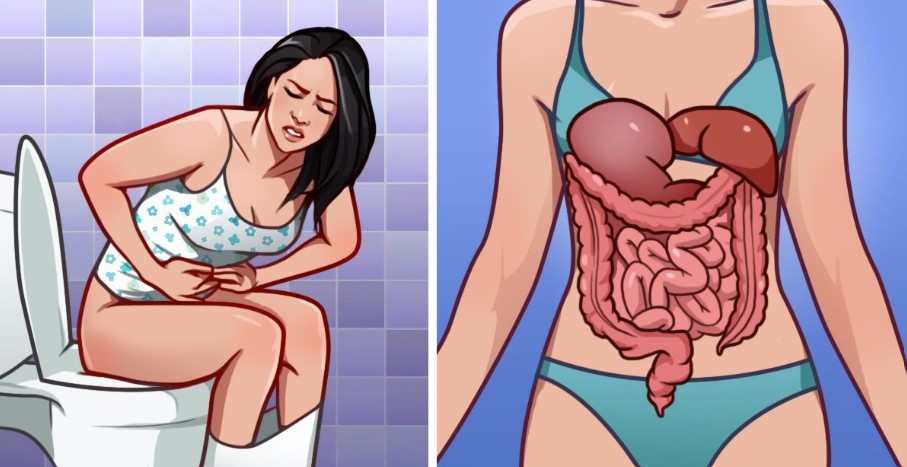
Constipation is a common digestive problem that affects people of all ages. It can cause discomfort, bloating, stomach pressure, and difficulty passing stool regularly. For some people, constipation happens occasionally due to diet changes, stress, dehydration, or lack of movement, while others may experience it more frequently.
Many people look for natural ways to support healthy digestion before turning to stronger solutions. Simple lifestyle habits such as drinking more water, increasing fiber intake, and staying physically active can often make a significant difference in digestive comfort.
The digestive system works best when the body receives enough fluids, balanced nutrition, and regular movement. Even small daily changes can sometimes help encourage more regular bowel movements and improve overall gut health naturally.
Here are several gentle, natural remedies and habits that may help support healthy digestion and relieve occasional constipation.
1. Drink More Water
One of the most common causes of constipation is dehydration.
Water helps:
- Soften stool
- Support digestion
- Keep the intestines moving properly
- Prevent dry, hard stools
When the body lacks enough fluids, the intestines absorb more water from waste, making stool harder and more difficult to pass.
Drinking enough water throughout the day may help improve bowel regularity naturally.
Warm water in the morning may also help stimulate digestion for some people.
2. Increase Fiber Intake
Fiber plays a major role in healthy digestion.
Fiber helps:
- Add bulk to stool
- Support smoother bowel movements
- Feed beneficial gut bacteria
- Improve digestive regularity
Foods naturally rich in fiber include:
- Fruits
- Vegetables
- Whole grains
- Oats
- Beans
- Nuts and seeds
However, increasing fiber too quickly may sometimes cause bloating, so gradual changes are usually best.
3. Eat Prunes or Prune Juice
Prunes are one of the most well-known natural remedies for constipation.
They contain:
- Fiber
- Natural fruit sugars
- Sorbitol, which may help soften stool
Many people find that eating a small serving of prunes or drinking prune juice helps encourage bowel movements naturally.
4. Stay Physically Active
Movement helps stimulate the digestive system.
Regular physical activity may help:
- Encourage intestinal movement
- Improve digestion
- Reduce bloating
- Support overall gut health
Simple activities like:
- Walking
- Stretching
- Light exercise
- Gentle yoga
can sometimes help the digestive system work more efficiently.
Even short daily walks may make a noticeable difference for some people.
5. Try Warm Liquids
Warm beverages may help relax the digestive tract and encourage bowel movement activity.
Some people find relief from:
- Warm water
- Herbal tea
- Warm lemon water
- Light soups or broths
Warm liquids may feel especially soothing in the morning.
6. Eat Foods Rich in Natural Probiotics
The gut contains beneficial bacteria that help support digestion.
Foods with natural probiotics may help maintain a healthier digestive balance.
Examples include:
- Yogurt
- Kefir
- Fermented vegetables
- Certain cultured foods
Supporting gut bacteria may help improve digestive regularity over time.
7. Establish a Regular Bathroom Routine
Ignoring the urge to use the bathroom may sometimes worsen constipation.
Creating regular habits may help train the body’s digestive rhythm.
Helpful habits include:
- Allowing enough bathroom time
- Avoiding rushing
- Going when the urge appears
- Maintaining consistent meal schedules
Routine can help support more predictable digestion.
8. Add Healthy Fats to Your Diet
Healthy fats may help digestion move more smoothly through the intestines.
Sources of healthy fats include:
- Olive oil
- Avocados
- Nuts
- Seeds
Some people find that adding moderate healthy fats to meals supports easier digestion.
9. Reduce Stress Levels
Stress can sometimes affect digestion and bowel habits.
The digestive system is closely connected to the nervous system, which is why emotional stress may sometimes contribute to constipation or stomach discomfort.
Relaxation habits such as:
- Deep breathing
- Light exercise
- Better sleep
- Relaxing activities
may help support healthier digestion indirectly.
When to Speak with a Healthcare Professional
Occasional constipation is common, but ongoing digestive problems should not be ignored.
It may be important to speak with a healthcare professional if constipation:
- Lasts for a long time
- Causes severe pain
- Happens frequently
- Includes unusual symptoms
- Interferes with daily life
Professional medical advice is important for persistent digestive concerns.
Healthy Daily Habits for Better Digestion
Good digestive health often comes from consistent habits rather than quick fixes.
Helpful daily habits include:
- Drinking enough water
- Eating balanced meals
- Staying active
- Managing stress
- Getting enough sleep
- Eating enough fiber
Small changes practiced consistently can often support long-term digestive comfort.
Conclusion :
Constipation can feel uncomfortable and frustrating, but many people find relief through simple natural habits that support healthy digestion. Drinking enough water, eating fiber-rich foods, staying physically active, and maintaining healthy daily routines may all help encourage more regular bowel movements naturally.
The digestive system works best when the body is properly hydrated, nourished, and active. While occasional constipation is common, paying attention to digestive health early may help prevent more persistent discomfort later on.
Natural remedies are often most effective when combined with balanced lifestyle habits and patience. Sometimes even small changes — such as drinking more water, walking regularly, or improving meal choices — can make a meaningful difference over time.
Most importantly, ongoing or severe digestive issues should always be taken seriously and discussed with a healthcare professional when necessary.