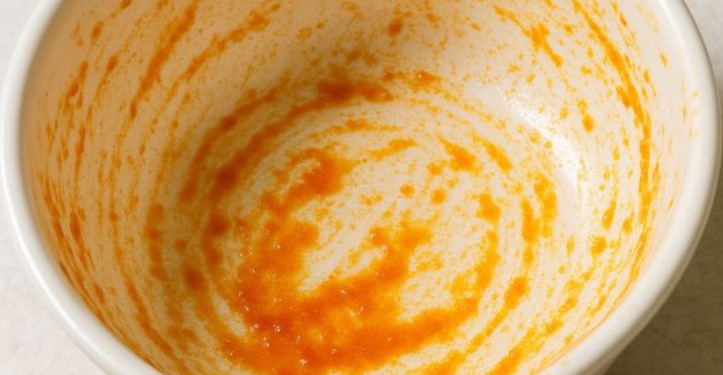
Tomato‑based sauces — especially spaghetti sauce — are delicious, but they come with a frustrating side effect: stubborn orange stains on your plastic bowls, storage containers, and Tupperware. Many home cooks notice that no matter how much they scrub or wash, the deep red‑orange color seems to set into the plastic and won’t budge. That’s because the pigments in tomato sauce (especially lycopene) easily bind to plastic surfaces, making stains tough to remove once they have set in.
Fortunately, there are a bunch of methods you can try using common kitchen ingredients, from gentle solutions like baking soda to stronger options like bleach or sun bleaching. Different techniques work better for different levels of staining, so it’s often worth trying more than one until your bowls look clean again.
Why Tomato Sauce Stains Plastic So Easily
Tomato sauces contain pigments and oils that cling to the porous surface of plastic. When hot pasta sauce is stored or reheated in plastic containers, those pigments can soak in more deeply.
Once the color sets, it can be frustrating to scrub away with just soap and water — especially if the bowl has been used for tomato sauce many times. But with the right cleaning methods, you can usually lift or lighten those stains without damaging the plastic.
Best Ways to Remove Orange Spaghetti Stains from Plastic
Here are some proven stain‑busting techniques, starting from gentle kitchen‑friendly options and progressing to stronger solutions.
1. Baking Soda Paste – The Most Gentle Start
Baking soda is a mild abrasive and deodorizer that works great on food stains.
How to use it:
- Mix baking soda with a little water until it forms a thick paste.
- Apply the paste to the stained areas of the bowl.
- Let it sit for 15–30 minutes.
- Gently scrub with a soft sponge or cloth and rinse with warm water.
You can repeat this several times if the stain is stubborn.
2. Vinegar Soak – Mild Acid That Breaks Down Pigments
White vinegar’s acidity helps loosen and dissolve tomato stains.
To try this method:
- Fill the bowl with equal parts warm water and white vinegar.
- Let it soak for at least 30 minutes (or even overnight for older stains).
- Scrub gently and rinse.
This approach also helps reduce lingering odors.
3. Lemon Juice – Natural Acid Brightens Stains
Lemon juice acts like a natural bleach thanks to its citric acid.
How to use:
Squeeze fresh lemon juice onto the stained areas, leave it for 15–30 minutes, then scrub and rinse.
This helps break up pigment molecules while leaving a fresh scent.
4. Sunlight – Nature’s Bleach
UV rays from the sun are a surprisingly effective way to fade stains.
Method:
After washing with soap and water, place the stained plastic bowl in direct sunlight for several hours. The sun’s UV light can help break down pigment molecules.
This is a gentle method you can use if you don’t want to rely on chemicals.
5. Dish Soap + Paper Towel Shake (Easy Kitchen Hack)
A clever cleaning trick people swear by is to combine warm water, dish soap, and a paper towel inside the bowl…
Steps:
- Add a bit of warm water and a squirt of dish soap to the stained bowl.
- Crumple a damp paper towel and put it inside.
- Close the bowl and shake it vigorously for about a minute.
The paper towel helps lift grease and stain particles while the soap breaks down oils — and it often works better than scrubbing alone.
6. Bleach Soak (For Tough Stains on Light Plastic Only)
If none of the above methods work, you can try a diluted bleach solution — but use caution. Bleach can discolor or weaken some plastics, so this method is best for very light‑colored containers that are bleach‑safe.
Mix:
1 part bleach + 9 parts water, soak for a short time (minutes, not hours), then wash thoroughly afterward.
Always follow safety guidelines when handling bleach (gloves and good ventilation recommended).
7. Alternatives and Add‑Ons
Some other stain‑fighting ideas people have shared:
- Rubbing alcohol or hand sanitizer on stains can help dissolve pigment oils.
- Hydrogen peroxide (3% solution) can act as a mild bleach but test it first on a small area.
- Denture cleaning tablets dissolved in warm water can help lift food stains.
Tips to Prevent Stains in the Future
Removing stains is easier when you stop them from setting in the first place:
- Let sauce cool before storing: Heat makes plastic more receptive to pigment absorption.
- Use a barrier: Spray cooking oil or butter on the container before adding tomato sauce to create a protective layer.
- Line with plastic wrap: This prevents direct contact between sauce and plastic.
- Consider glass containers: Glass doesn’t stain as easily as plastic.
When to Accept the Stain
Sometimes, even with all these methods, older or deeply set stains won’t fully disappear. If your bowl still looks slightly orange after trying multiple techniques, it might be worth keeping it for tomato‑based meals only — or switching to glass storage for everyday use.
Conclusion :
Orange spaghetti or tomato sauce stains on plastic bowls are notoriously stubborn thanks to strong pigments and oils that soak into the material. But with the right techniques — from a simple baking soda paste or vinegar soak to a clever soap‑and‑paper‑towel shake — you can significantly reduce or remove those stains. For the toughest discoloration, sunlight or diluted bleach might do the trick on light‑colored plastics.
And once your bowls are looking clean again, preventive tips like cooling your sauce first, lining containers, or using glass can help keep them that way next time. Happy cooking and cleaning!