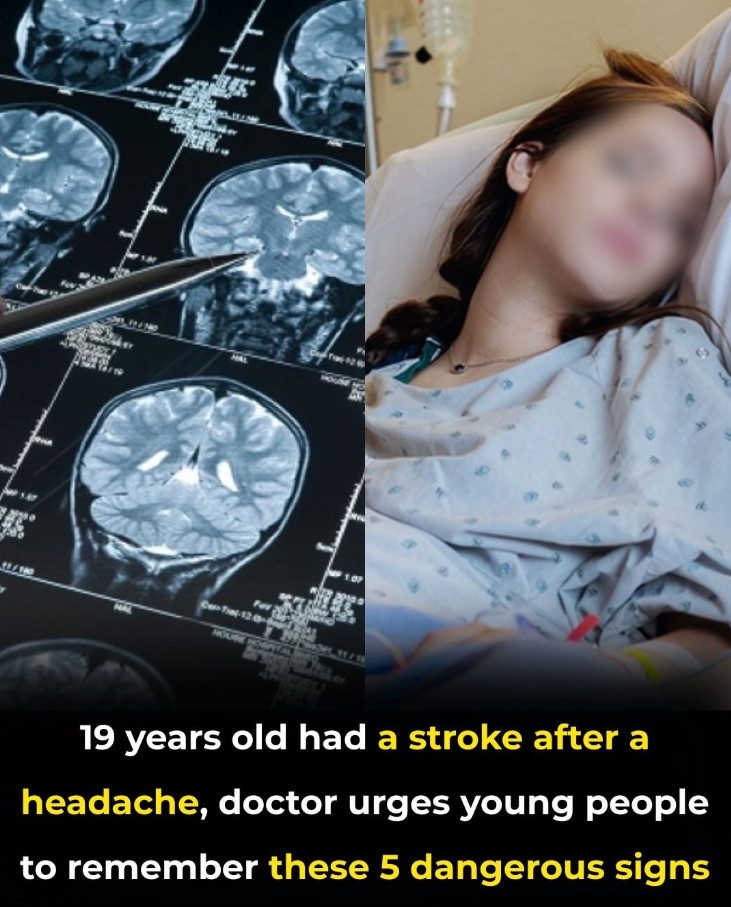
Stroke is one of those medical emergencies that often happens suddenly, but in many cases, the body gives warning signals before it becomes severe. The problem is that these early signs are often misunderstood or ignored, especially when they come and go quickly or seem mild at first.
A stroke occurs when blood flow to part of the brain is blocked or reduced, preventing brain cells from getting oxygen. When this happens, brain cells can begin to die within minutes, making fast recognition absolutely critical.
Knowing the warning signs can make the difference between life and long-term disability—or even death. That’s why it’s so important to understand what your body might be trying to tell you.
1. Sudden Weakness or Numbness on One Side of the Body
One of the most common and recognizable signs of a stroke is sudden weakness or numbness, usually affecting only one side of the face, arm, or leg.
A person may:
- Drop objects without reason
- Struggle to lift one arm
- Notice one side of the face feeling “off” or drooping
This happens because the brain area controlling movement is not receiving proper blood flow.
Even if the symptom disappears after a short time, it should never be ignored.
2. Trouble Speaking or Understanding Speech
Another major warning sign is sudden difficulty with speech or understanding language.
This may include:
- Slurred or unclear speech
- Trouble forming sentences
- Not understanding simple instructions
The person may know what they want to say but cannot express it properly. This happens when the brain’s language centers are affected.
Even small speech changes can be an early warning sign of a serious problem.
3. Sudden Vision Problems
Stroke can also affect the eyes and vision. A person may suddenly experience:
- Blurry vision
- Loss of vision in one eye
- Double vision
These changes can appear without warning and may come and go quickly. They happen because the parts of the brain responsible for vision are not receiving enough blood flow.
Any sudden vision change should be treated as urgent.
4. Severe or Unusual Headache
A sudden, intense headache—especially one that feels different from usual headaches—can also be a warning sign.
This type of headache may:
- Come on very quickly
- Feel extremely painful or unusual
- Be accompanied by dizziness or nausea
While headaches are common, a stroke-related headache often feels different from normal tension or migraine headaches.
It should always be taken seriously when it appears suddenly and without explanation.
5. Loss of Balance or Coordination
A stroke can also affect balance and coordination. A person may suddenly:
- Feel dizzy or unsteady
- Have trouble walking straight
- Lose coordination in movements
This happens when the brain areas responsible for balance are disrupted.
Even mild dizziness combined with other symptoms can be a warning sign that something serious is happening.
Why Fast Action Is So Important
Stroke is a medical emergency where time matters greatly. The longer the brain is without blood flow, the higher the risk of permanent damage.
Experts often use simple memory tools like FAST:
- Face drooping
- Arm weakness
- Speech difficulty
- Time to call emergency help
Recognizing these signs early can dramatically improve recovery chances.
Conclusion :
Stroke warning signs often appear suddenly and may seem confusing at first, especially if they are mild or short-lived. However, symptoms like one-sided weakness, speech problems, vision changes, severe headaches, or loss of balance should always be taken seriously.
Even if symptoms improve on their own, they may be a warning of a more serious stroke that could happen later. The key message is simple: never wait and never ignore the signs.
Understanding these warning signals helps you react quickly, which can protect the brain and save a life. Acting fast is the most important step you can take when stroke symptoms appear.