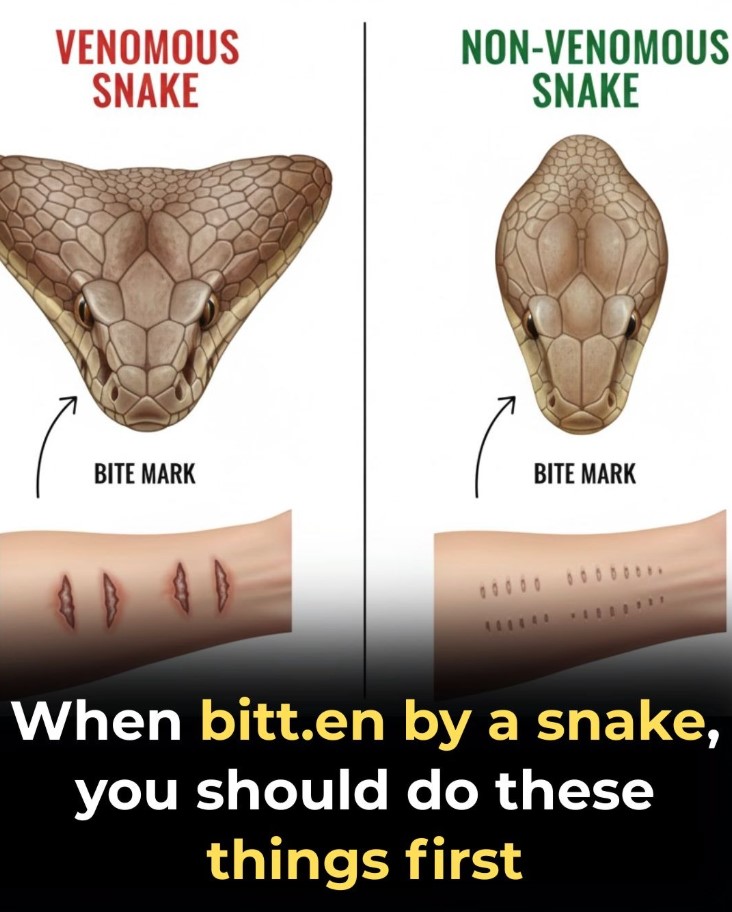
A snake bite is one of those situations that can trigger instant fear. Whether you’re hiking, working outdoors, or simply in the wrong place at the wrong time, the sudden realization that a snake has bitten someone can feel overwhelming.
Many people grow up hearing dramatic advice—cut the wound, suck out the venom, or tie something tightly above the bite. These ideas are still widely shared online, but many of them are outdated or even dangerous.
The truth is, what you do in the first few minutes after a snake bite can make a real difference. Staying calm, avoiding harmful myths, and following safe, medically recommended steps is far more important than acting quickly without the right knowledge.
Let’s walk through what actually helps—and what doesn’t—so you can respond in a safe and responsible way.
First: Stay Calm and Assess the Situation
The most important first step is simple, but not easy:
Stay as calm as possible.
Panic increases heart rate, which can allow venom (if present) to spread more quickly through the body. Keeping the person calm helps slow this process.
Make sure the person:
- Stops moving immediately
- Sits or lies down
- Avoids unnecessary activity
Your goal is to keep everything as still and controlled as possible.
Move to a Safe Area
If the snake is still nearby, carefully move away to prevent additional bites.
Do not try to:
- Catch the snake
- Kill it
- Get too close for a better look
Even a dead or injured snake can still bite reflexively.
If you can safely remember what it looked like, that’s helpful—but it’s not necessary.
Call for Medical Help Immediately
Seek medical help as soon as possible.
This is the most important step after ensuring safety.
Snake bites—especially from venomous species—require professional evaluation and, in some cases, specific treatment.
Even if you’re unsure whether the snake was venomous, it’s always better to treat the situation seriously.
Keep the Affected Area Still
If the bite is on an arm or leg:
- Keep the limb immobilized
- Position it at or slightly below heart level
- Avoid movement as much as possible
Movement can speed up the spread of venom through the bloodstream.
Remove Tight Items
Swelling can happen quickly after a bite.
Carefully remove:
- Rings
- Bracelets
- Watches
- Tight clothing
This prevents complications if the area begins to swell.
What You Should Not Do
This is where many common myths can actually cause harm.
Do not cut the wound.
Cutting the bite area can lead to infection and more injury without removing venom.
Do not try to suck out the venom.
This method is ineffective and can introduce bacteria into the wound.
Do not apply ice.
Ice can damage tissue and does not stop venom spread.
Do not use a tourniquet.
Tightly restricting blood flow can cause severe damage and make the situation worse.
Do not drink alcohol or caffeine.
These can affect circulation and worsen symptoms.
Watch for Symptoms
Symptoms can vary depending on the type of snake and the severity of the bite.
Common signs may include:
- Pain or swelling at the bite site
- Redness or bruising
- Nausea or dizziness
- Difficulty breathing (in serious cases)
- Weakness or confusion
Even mild symptoms should be taken seriously.
What About “Dry Bites”?
Not all snake bites inject venom. Some are called dry bites, meaning no venom was released.
However, you cannot safely assume a bite is harmless.
Only medical professionals can confirm this.
Why Fast Medical Care Matters
Snake venom can affect the body in different ways, depending on the species. It may:
- Damage tissue
- Affect blood clotting
- Interfere with breathing
- Impact the nervous system
Hospitals can provide proper treatment, including monitoring and, if needed, antivenom.
The sooner care is received, the better the outcome.
A Simple Way to Remember
If you’re unsure what to do, remember this:
Stay calm, stay still, and seek help.
These three actions are far more effective than any risky “quick fixes.”
Prevention Tips
While you can’t prevent every situation, a few habits can reduce risk:
- Wear proper shoes when outdoors
- Avoid tall grass or areas you can’t see clearly
- Do not put your hands in holes or under rocks
- Stay alert in areas known for wildlife
Awareness goes a long way in preventing accidents.
The Bigger Picture
Snake bites are rare in many places, and most people recover well—especially when they receive proper care quickly.
The biggest danger often comes not from the bite itself, but from incorrect first aid based on myths or outdated advice.
Knowing what not to do is just as important as knowing what to do.
Conclusion :
A snake bite can be frightening, but the right response does not require extreme actions or risky techniques. In fact, the safest approach is often the simplest: stay calm, limit movement, and get medical help as quickly as possible.
Avoiding common myths—like cutting the wound or trying to remove venom—can prevent further harm and give the person the best chance of recovery.
In situations like this, clear thinking matters more than speed. By staying focused and following safe, proven steps, you can turn a moment of panic into a controlled and effective response.
Because when it comes to emergencies, the right knowledge is your most powerful tool.