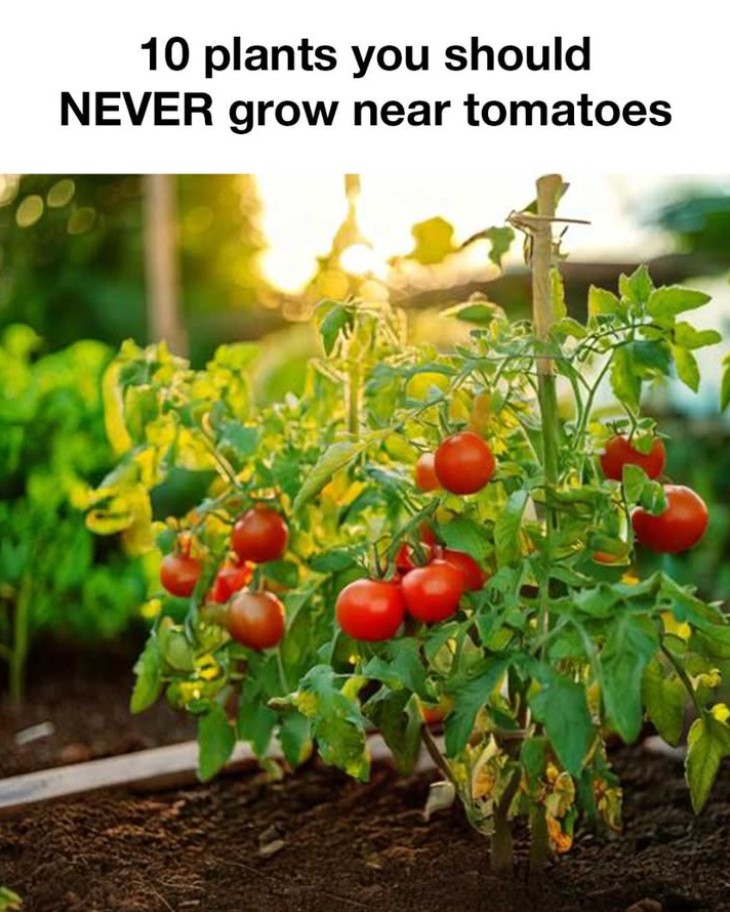
Tomatoes are one of the most popular crops in home gardens because they are versatile, productive, and relatively easy to grow. However, many gardeners are surprised to learn that what you plant near your tomatoes can significantly affect their growth, health, and yield. Some plants compete for nutrients, others attract shared pests, and a few even release natural chemicals that can slow down tomato development.
This concept is part of companion planting — a gardening practice that studies which plants help each other grow and which ones should be kept apart. When done correctly, companion planting can improve soil health and reduce pest problems, but when done incorrectly, it can lead to weak plants and poor harvests.
In this guide, we’ll explore 10 plants that are commonly recommended to avoid growing near tomatoes, and explain the real reasons why these combinations can cause problems in your garden.
1. Fennel
Fennel is widely considered one of the worst neighbors for tomatoes. It releases natural chemicals (called allelopathic compounds) into the soil that can suppress tomato growth. Even at a distance, fennel can negatively affect nearby plants and reduce their overall development.
2. Corn
Corn and tomatoes may seem like a good summer pairing, but they are not compatible in the garden. Both plants attract similar pests, especially worms that can damage fruits and reduce yields. Corn can also grow tall enough to shade tomatoes, limiting sunlight and airflow.
3. Potatoes
Since tomatoes and potatoes are both nightshades, they share similar diseases such as blight. Planting them close together increases the risk of spreading infections quickly from one plant to another, which can destroy entire crops.
4. Cabbage and Brassicas
Plants like cabbage, broccoli, and cauliflower are heavy feeders that compete strongly for nutrients in the soil. This competition can leave tomatoes undernourished, leading to weaker growth and fewer fruits.
5. Eggplant
Eggplant belongs to the same plant family as tomatoes, which means they often suffer from the same pests and diseases. Growing them together increases the chance of infestations spreading quickly between plants.
6. Peppers
Peppers are also part of the nightshade family, meaning they share similar nutrient needs and disease risks. While they can sometimes be grown together carefully, many gardeners prefer to separate them to reduce competition and disease spread.
7. Walnuts (Black Walnut Trees)
Black walnut trees produce a chemical called juglone, which is toxic to many plants, including tomatoes. Even nearby soil can be affected, making it difficult for tomatoes to grow properly.
8. Sunflowers
Sunflowers may seem harmless, but they can compete heavily for sunlight and nutrients. Their tall structure can also shade tomato plants, slowing growth and reducing fruit production.
9. Dill (when mature)
Young dill can sometimes help tomatoes, but once it matures and flowers, it may start to slow tomato growth. It can also attract pests that affect nearby plants.
10. Mint
Mint is extremely aggressive and spreads quickly underground. It can take over garden space and compete with tomatoes for water and nutrients, making it a risky neighbor unless it is kept in containers.
Why Companion Planting Matters
The goal of companion planting is to create balance in the garden. Some plants improve soil conditions or repel pests, while others compete too strongly or create disease risks. When growing tomatoes, spacing and plant choice can directly affect:
- Fruit size and quantity
- Plant health and resistance
- Pest control
- Soil nutrient balance
Common Mistakes Gardeners Make
Many gardening problems happen simply because plants are placed too close together without considering compatibility. Other common mistakes include:
- Overcrowding garden beds
- Ignoring soil nutrient competition
- Mixing plants with shared diseases
- Not rotating crops each season
Conclusion :
Understanding which plants should not be grown near tomatoes can make a huge difference in your garden’s success. While tomatoes are strong and adaptable plants, they still depend heavily on the environment around them. The wrong neighbors can quietly reduce their growth, weaken their resistance to disease, or significantly lower the number of fruits they produce.
What makes companion planting so important is that it works at multiple levels at the same time — soil health, pest control, sunlight access, and nutrient balance. A plant like fennel can disrupt growth through chemical interactions in the soil, while crops like corn or sunflowers can physically block sunlight. Others, such as potatoes or eggplants, increase the risk of shared diseases spreading quickly across your garden.
At the same time, it’s important to remember that gardening is not always absolute. In some cases, plants can still grow together if carefully managed with proper spacing, soil care, and regular maintenance. However, for beginners or anyone aiming for a healthy and productive harvest, keeping incompatible plants separated is often the safest and most reliable approach.
In the end, successful tomato growing is not just about watering and sunlight — it’s also about creating the right plant environment. Choosing the right companions helps your tomatoes grow stronger, healthier, and more productive throughout the season, turning a simple garden into a well-balanced and thriving ecosystem.