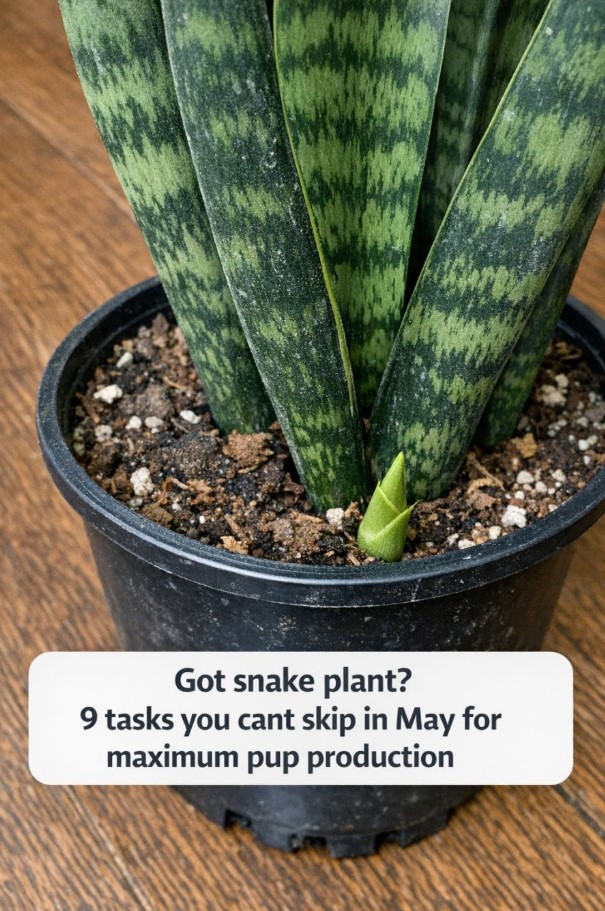
Snake plants (Dracaena trifasciata) are famous for being almost impossible to kill, but there’s a big difference between a plant that simply survives and one that actively grows and produces new “pups.” These baby offshoots are what turn a single snake plant into a full, lush cluster over time. Many gardeners notice that their plant stays alive for months or even years without producing any new growth, especially if care conditions are not adjusted with the seasons.
May is one of the most important months for snake plants because it marks the start of their active growing phase. As light levels increase and temperatures rise, the plant shifts energy from survival mode into growth mode. This is the moment when proper care can directly influence whether your plant stays static or starts producing healthy new pups.
According to plant care experts, snake plants enter a stronger vegetative growth cycle in late spring, and this is the ideal time to adjust light, watering, soil, and nutrients to encourage propagation.
In this guide, we’ll break down 9 essential May tasks that can help your snake plant grow stronger, healthier, and more likely to produce new offshoots.
1. Move Your Plant Into Brighter Indirect Light
Light is one of the biggest triggers for new growth. Snake plants can survive in low light, but they grow much faster and produce more pups in bright, indirect sunlight. In May, gradually increasing light exposure helps activate growth without stressing the plant.
Too little light leads to slow or no pup development, even if the plant looks healthy on the surface.
2. Adjust Your Watering Routine
Overwatering is the most common mistake with snake plants. During active growth, they may need slightly more frequent watering, but the soil should still dry out completely between sessions.
The goal is balance — enough moisture to support growth, but not enough to cause root rot.
3. Check for Rootbound Conditions
Snake plants actually prefer being slightly rootbound, but extreme crowding can slow down pup formation. If roots are pushing out of drainage holes or the pot feels tight, it may be time to repot or divide the plant.
Healthy root space encourages new rhizome development, which is where pups grow from.
4. Use Well-Draining Soil
Soil quality plays a huge role in snake plant health. Heavy or compact soil traps water and slows root growth. A fast-draining mix allows oxygen to reach the roots and supports steady development.
Good soil helps prevent rot while encouraging stronger underground growth.
5. Feed Lightly With Balanced Fertilizer
Snake plants don’t need heavy feeding, but a light boost in spring can support new growth. A diluted, balanced fertilizer during the growing season helps the plant build energy for pup production.
Overfeeding, especially with high nitrogen, can lead to weak, overly leafy growth instead of new shoots.
6. Clean the Leaves for Better Light Absorption
Dust buildup on snake plant leaves can reduce how efficiently the plant absorbs light. Wiping the leaves gently helps improve photosynthesis, which supports stronger overall growth.
This simple step often gets overlooked but can make a noticeable difference over time.
7. Look for Early Signs of Pup Growth
Pups usually start as small shoots emerging from the soil near the base of the plant. These are connected to underground rhizomes, which slowly expand as the plant matures.
Many gardeners report that healthy snake plants naturally produce pups when conditions are stable and roots are well established.
8. Avoid Over-Pruning or Disturbing the Plant
Unlike some houseplants, snake plants don’t need frequent trimming. Cutting healthy leaves or disturbing the root system too often can slow down growth.
It’s better to let the plant grow naturally, especially during its active season.
9. Be Patient — Growth Happens Underground First
One of the most important things to understand is that snake plants grow slowly, and most of the action happens below the soil. Rhizomes expand first, and pups appear later.
Even if you don’t see visible changes right away, the plant may already be preparing new growth underground.
Why May Is the Key Month for Snake Plant Growth
Spring and early summer provide the ideal combination of warmth, light, and moisture that snake plants need to shift into active growth mode. During this time, proper care adjustments can significantly increase the chances of pup production.
Research and plant care guides consistently show that propagation and growth activity are strongest during warm seasons when light levels are higher.
Common Mistakes That Stop Pup Production
Even healthy-looking snake plants may fail to produce pups due to simple care issues:
- Overwatering or poor drainage
- Low light conditions
- Using the wrong soil type
- Excess fertilizer
- Constant repotting or disturbance
Correcting these issues often triggers new growth over time.
Conclusion :
Snake plants may be known for their toughness, but producing healthy pups requires more than just basic survival care. The key difference lies in how well the plant’s environment supports active growth during its peak season. May is especially important because it marks the transition from slow winter recovery into strong spring development.
By adjusting light exposure, improving soil conditions, managing watering carefully, and avoiding unnecessary stress, you create the ideal environment for new pups to form naturally. These small offshoots are a sign that the plant is not just surviving, but thriving and expanding.
It’s also important to remember that snake plants work on their own schedule. Growth often begins underground long before anything is visible above the soil. Patience is just as important as care — sometimes the biggest changes are happening where you can’t see them yet.
In the end, successful snake plant growth is about consistency rather than complexity. When the plant feels stable, supported, and in the right conditions, it naturally rewards you with new life in the form of pups. Over time, a single plant can turn into a full, vibrant cluster — all from simple care done at the right time of year.